How Can Color Theory Be Applied In Food Styling To Convey Emotions In Photography?
Introduction
Color theory is essential in the realms of food styling and food photography. The strategic use of colors can evoke strong emotions, create a certain mood, and significantly enhance the visual appeal of a dish being photographed. By gaining insights into the interactions between different colors and the feelings they inspire, food stylists can craft compositions that not only appear appetizing but also narrate a story or convey specific sentiments.
Exploring Color Theory in Food Styling
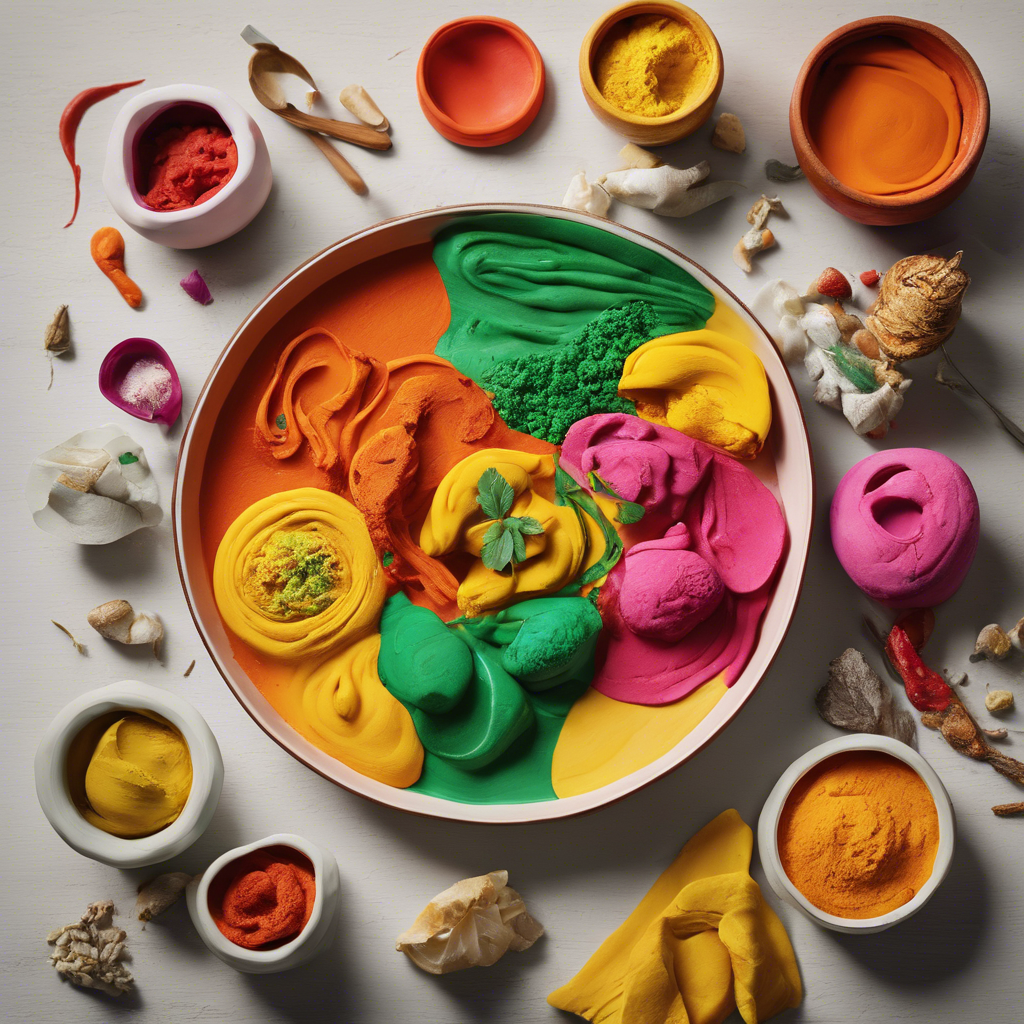
At its essence, color theory serves as a comprehensive guide to understanding how colors relate and impact perception. In the context of food styling, this knowledge translates to selecting colors that complement each other, making food items more visually striking. For example, warm colors such as red, orange, and yellow are known to stimulate feelings of warmth and provoke appetite, while cool colors like blue, green, and purple evoke fresh and tranquil sensations. Likewise, neutral colors—think browns and whites—can effectively balance vibrant colors and help emphasize the food itself.
- Warm colors (red, orange, yellow) stimulate appetite and excitement.
- Cool colors (blue, green, purple) suggest freshness and calmness.
- Neutral colors (white, black, brown) enhance the vibrancy of food and create balance.
Implementing Color Theory in Food Photography
Harnessing the principles of color theory in food photography involves carefully selecting plates, backgrounds, and props that enhance the dish's presentation. For instance, serving a bright, rich curry on a neutral-colored plate can allow the vibrant colors of the dish to take center stage. Additionally, the arrangement of food can create either visual harmony or tension based on color relationships, significantly influencing the mood of the photograph. Utilizing contrasting colors can draw attention to specific areas of the dish, making the presentation more engaging and visually appealing.
- Select plate colors that enhance food presentation without distraction.
- Employ contrasting colors for dramatic emphasis on the dish.
- Consider the emotional theme of the meal; festive occasions can incorporate reds and greens, while summery dishes can utilize bright, fresh colors.
- Combine various textures along with colors for added visual depth.
Conclusion
Mastering color theory in food styling can dramatically elevate the emotional resonance of culinary images. This expertise allows for enhanced creativity and expression in food photography, encouraging viewers to not just observe the food but also to feel a connection to it. When applied effectively, colors can enrich the narrative expressed through visuals, making the dish even more appetizing and inviting.
Expert Quote
Angela Liddon, Food Stylist and Author
Color can transform the emotional response of a dish; it’s not just about taste anymore but also about how the colors can make someone feel—inviting, calming, or refreshing.
The Oh She Glows Cookbook, 2014
Relevant Links
How to Use Colour Theory in Food Photography
https://twolovesstudio.com/blog/colour-theory-food-photography/Workshop takeaways - Professional Creative Food Photography
https://www.lenkaslens.com/workshop-takeawaysHow To Plate Food For Amazing Food Photography – Sincerely Tori
https://sincerelytori.com/how-to-plate-food/I studied thumbnails for at least 100 hours and these are the most ...
https://www.reddit.com/r/NewTubers/comments/11l6kge/i_studied_thumbnails_for_at_least_100_hours_and/Food photography composition with flowers - Story on a plate
https://storyonaplate.com/food-photography-composition-with-flowers/YouTube Videos
Most popular questions

How Do The Personal Relationships Among Gods Affect Their Decisions In The Iliad?
The intricate relationships among the gods in Homer's epic poem 'The Iliad' play a crucial role in shaping their actions and decisions. These divine interactions create a complex web of fates, where each god's personal alliances and rivalries directly influence the events of the mortal world.

What Strategies Can Parents Use To Educate Their Children About Online Safety Beyond Privacy Settings?
In today's digital landscape, teaching children about online safety is essential for their protection and well-being. While privacy settings play a critical role, parents can implement various strategies to create a thorough understanding of online safety principles among their children.
What Are The Different Types Of Insulation Materials Commonly Used In Buildings, And How Do They Compare In Terms Of Thermal Resistance?
Insulation materials are vital for enhancing energy efficiency in residential and commercial buildings by minimizing heat transfer. Understanding the various insulation types can lead to better choices for thermal resistance and overall comfort.
Most recent questions
How Do Immersive Technologies Alter The Ways In Which Consumers Engage With Brands In Comparison To Conventional Marketing Strategies?
Immersive technologies, including virtual reality (VR) and augmented reality (AR), are significantly transforming consumer engagement strategies across various industries. These advanced technologies facilitate interactive environments, allowing consumers to engage with brands and products in dynamic ways that traditional marketing methods cannot achieve.
How Do Historical Events Influence The Portrayal Of Cultural Identities In Specific Film Genres?
The representation of cultural identities in film significantly reflects the historical events that shape societies. Filmmakers, drawing from their unique cultural contexts, weave significant historical events into their narratives, showcasing the multifaceted nature of identity across various film genres. This dynamic relationship between film and history not only mirrors cultural narratives but also actively shapes the understanding of these identities.
In What Ways Did Sound And Music Contribute To The Narrative Themes Of 1980s Sci-fi Films Compared To Fantasy Films?
In the vibrant 1980s, sound design and music emerged as crucial components in shaping the narrative themes of both sci-fi and fantasy films. While both genres aimed to immerse audiences in imaginative worlds, the contributions of sound and music to their storytelling diverged significantly, with each genre employing distinct techniques to enhance viewer engagement.