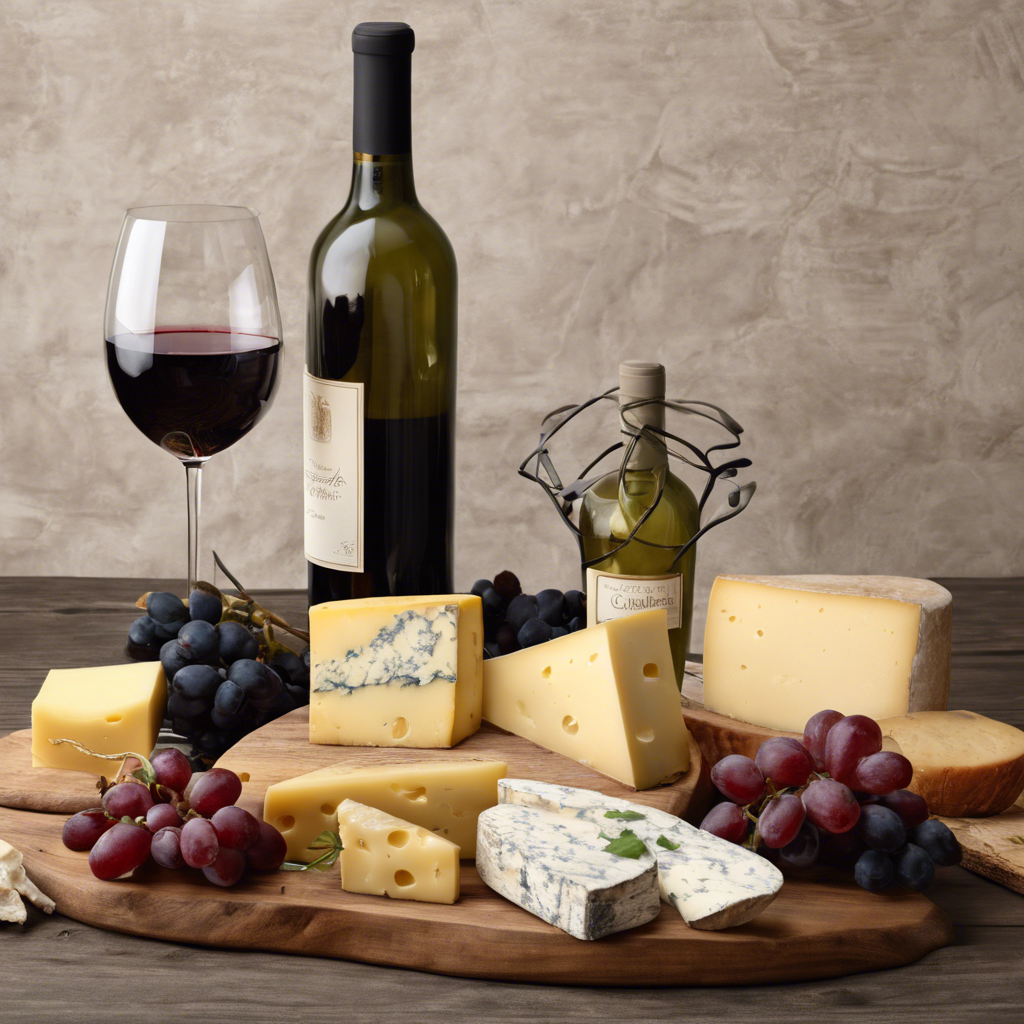
How Can One Effectively Balance Flavors And Textures In A Wine And Cheese Tasting?
Introduction
Achieving the perfect balance of flavors and textures during a wine and cheese tasting is crucial for crafting an exceptional culinary experience. Just as an artist skillfully selects colors to create a stunning artwork, a knowledgeable host must thoughtfully pair wines and cheeses to highlight their finest attributes and elevate the tasting.
Understanding Wine and Cheese Flavor Profiles
To successfully balance flavors and textures in wine and cheese pairings, it is essential to comprehend the distinct profiles of the wines and cheeses chosen. Each wine and cheese carries its own unique traits, including sweetness, acidity, richness, and creaminess. The pairing process can be likened to matchmaking, wherein complementary characteristics augment and elevate the enjoyment of one another.
- Explore the fundamental flavor profiles of wines - including dry, sweet, fruity, earthy, and sparkling varieties.
- Identify the different textures of cheeses - such as creamy, crumbly, aged, soft, and hard types.
- Evaluate the intensity of flavors - stronger cheeses typically pair well with full-bodied wines, while more delicate cheeses harmonize with lighter wines.
Creating Harmonious Pairings
Once you familiarize yourself with the flavor profiles, the next step is to create harmonious pairings that enhance both the wine and cheese. This can be accomplished through various pairing techniques, which may involve either contrasting or matching taste components to create a delightful experience.
- Pair creamy cheeses with acidic or fruity wines for a refreshing palate cleanse.
- Match stronger-flavored cheeses with bold-bodied or tannic wines to deliver a robust tasting experience.
- Serve sweet wines alongside pungent or blue cheeses to achieve a well-rounded finish.
Testing and Refining Your Pairings
The final phase in balancing flavors and textures in your wine and cheese tasting is to test and refine your pairings based on your preferences as well as input from your guests. This process of evaluation and adjustment is akin to fine-tuning a musical instrument prior to a performance.
- Organize a tasting event featuring a diverse range of combinations to discover the most successful pairings.
- Encourage attendees to record their preferred pairings for future reference and inspiration.
- Be receptive to modifying the proportions of wine and cheese according to feedback and the specific profiles of each combination.
Conclusion
Successfully balancing flavors and textures in wine and cheese tastings significantly enhances the overall sensory experience. By gaining insights into the distinct profiles of each component, crafting harmonious pairings, and embracing the process of refinement, you can create unforgettable tasting events that tantalize the senses.
Expert Quote
Diana Edwards, Cheese and Wine Specialist
Balancing flavors is not just about pairing; it's about understanding how each element interacts. The right wine can elevate the cheese's flavor, while the wrong one can overpower it, leading to a disjointed tasting experience.
Cheese & Wine: A Culinary Guide, 2022
Relevant Links
Cheese plate | The Last Temptation of Cheeses
https://heavenlycheeses.wordpress.com/tag/cheese-plate/Three Cheeses to pair with Cab — The Cheese Shop of Salem
https://www.thecheeseshopofsalem.com/cheese-2/2/19/20/threecheesestopairwithcabPinot Noir Polarization
https://www.winespectator.com/articles/pinot-noir-polarization-14604How to Balance Flavor and Be a Better Cook
https://www.foodandwine.com/how/train-yourself-to-be-a-better-cookHow to Properly Wrap and Store Brie Cheese - Kelly Toups
https://kellytoups.com/store-brie-cheese/YouTube Videos
Most popular questions

How Do The Personal Relationships Among Gods Affect Their Decisions In The Iliad?
The intricate relationships among the gods in Homer's epic poem 'The Iliad' play a crucial role in shaping their actions and decisions. These divine interactions create a complex web of fates, where each god's personal alliances and rivalries directly influence the events of the mortal world.

What Strategies Can Parents Use To Educate Their Children About Online Safety Beyond Privacy Settings?
In today's digital landscape, teaching children about online safety is essential for their protection and well-being. While privacy settings play a critical role, parents can implement various strategies to create a thorough understanding of online safety principles among their children.
What Are The Different Types Of Insulation Materials Commonly Used In Buildings, And How Do They Compare In Terms Of Thermal Resistance?
Insulation materials are vital for enhancing energy efficiency in residential and commercial buildings by minimizing heat transfer. Understanding the various insulation types can lead to better choices for thermal resistance and overall comfort.
Most recent questions
What Are The Psychological Effects Of Celebrity Endorsements In Advertising Across Different Industries?
Celebrity endorsements have emerged as a key strategy in marketing and advertising, profoundly impacting consumer behavior across multiple sectors. By delving into the psychological effects of celebrity endorsements, we gain valuable insights into how they influence consumer perceptions and purchasing choices, making them an essential element of effective marketing strategies.
How Do Artists Balance Personal Expression And Promotional Content On Social Media?
Successfully navigating social media as an artist requires a strategic approach that balances personal expression with effective promotion. Mastering this balance is essential for building a strong personal brand while staying true to your creative identity.
What Role Does Live Music Play In Enhancing The Dining Experience At Food Festivals?
Live music plays an essential role in enhancing the dining experience at food festivals by creating an immersive atmosphere that beautifully complements the culinary delights available. It transforms a simple meal into a comprehensive sensory adventure, elevating the overall festival experience.