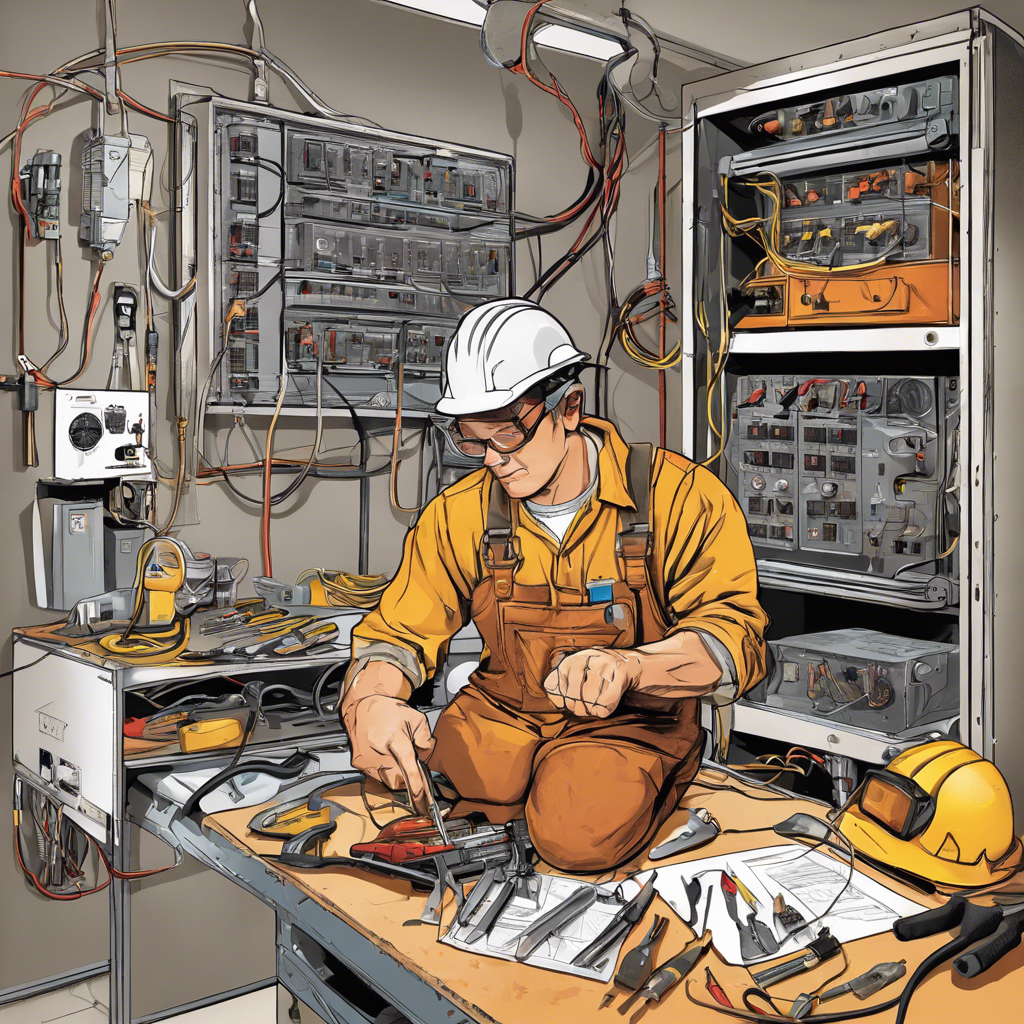
How Can One Ensure That Their DIY Electrical Projects Are Safe And Compliant With Local Codes?
Introduction
Engaging in Do-It-Yourself (DIY) electrical projects can be highly rewarding, but ensuring safety and compliance with local electrical codes is essential for every homeowner. Understanding local regulations and applying best practices can effectively safeguard both individuals and properties from electrical hazards.
Understanding Local Electrical Codes
Local electrical codes are essential regulations established by authorities to ensure electrical installations are safe, reliable, and compliant. Familiarizing yourself with these local electrical codes is crucial before starting any DIY electrical project. Since electrical codes can vary widely by location, gaining specific local knowledge is necessary, which may involve reviewing official regulatory documents or seeking advice from licensed electricians.
- Check your local building department’s website for current electrical codes and regulations.
- Consult the International Electrotechnical Commission (IEC) or the National Electrical Code (NEC) relevant to your area.
- Obtain all necessary building permits before commencing your electrical project.
Safety Practices for DIY Electrical Work
Safety should always be your foremost priority when undertaking DIY electrical work. Here are key preventive measures to implement during your projects:
- Always ensure power is turned off at the circuit breaker before working on electrical systems.
- Use insulated electrical tools and wear rubber-soled shoes to mitigate shock risks.
- Test all outlets and wires using a voltage tester prior to handling them to confirm they are de-energized.
- Make certain that all electrical connections are secure and shielded from moisture exposure.
Best Practices for Compliance with Electrical Codes
Adhering to established best practices can strengthen compliance with local electrical codes while enhancing the safety and reliability of your electrical projects.
- Utilize materials that are rated for safe electrical work, including UL-listed wiring and certified junction boxes.
- Carefully follow manufacturers’ specifications for all electrical devices installed during your DIY project.
- Maintain thorough documentation of your electrical work, creating a record of what has been accomplished for future reference or inspections.
When to Consult a Professional Electrician
While many DIY electrical tasks can be effectively managed by skilled individuals, certain situations demand the expertise of a professional electrician.
- If you're uncertain about your electrical skills or knowledge, consulting a qualified electrician is advisable.
- Projects involving high-voltage systems should always be managed by a licensed professional.
- Major renovations or new construction typically require oversight from a licensed electrician.
Conclusion
By understanding local electrical codes and adhering to best safety practices, DIY electrical projects can be accomplished safely and legally. Always prioritize safety and proper code compliance over potential cost savings, and do not hesitate to consult professionals to ensure your electrical projects are secure and compliant.
Expert Quote
James G. Koller, Master Electrician and Electrical Code Expert
Understanding and adhering to local electrical codes is not just about compliance; it's about ensuring the safety of every individual and home involved in a DIY project. Always prioritize knowledge of regulations before you start working with electricity.
Electrical Safety and Compliance Insight, Electrical Contractor Magazine, 2020
Relevant Links
DIY Electrical Work: What You Can and Can't Do Legally and Safely
https://www.kneeselectric.com/blog/2024/july/diy-electrical-work-what-you-can-and-cant-do-leg/Electrician's thoughts on Wago connectors for DIY : r/electrical
https://www.reddit.com/r/electrical/comments/vuie4w/electricians_thoughts_on_wago_connectors_for_diy/Is it legal to do your own electrical/plumbing/carpentry work and just ...
https://www.quora.com/Is-it-legal-to-do-your-own-electrical-plumbing-carpentry-work-and-just-call-an-inspector-out-to-make-sure-the-house-the-work-was-done-on-is-safeWhere the hell can I buy my own solar panels to install myself, is this ...
https://www.reddit.com/r/solar/comments/ymn6md/where_the_hell_can_i_buy_my_own_solar_panels_to/DIY Electrical Work: What You Should and Shouldn't Do Yourself ...
https://turnitonelectric.com/diy-electrical-work-what-you-should-and-shouldnt-do-yourself/YouTube Videos
Most popular questions

How Do The Personal Relationships Among Gods Affect Their Decisions In The Iliad?
The intricate relationships among the gods in Homer's epic poem 'The Iliad' play a crucial role in shaping their actions and decisions. These divine interactions create a complex web of fates, where each god's personal alliances and rivalries directly influence the events of the mortal world.

What Strategies Can Parents Use To Educate Their Children About Online Safety Beyond Privacy Settings?
In today's digital landscape, teaching children about online safety is essential for their protection and well-being. While privacy settings play a critical role, parents can implement various strategies to create a thorough understanding of online safety principles among their children.
What Are The Different Types Of Insulation Materials Commonly Used In Buildings, And How Do They Compare In Terms Of Thermal Resistance?
Insulation materials are vital for enhancing energy efficiency in residential and commercial buildings by minimizing heat transfer. Understanding the various insulation types can lead to better choices for thermal resistance and overall comfort.
Most recent questions
How Do Audience Preferences Influence The Establishment Of Community Guidelines In Fan Fiction?
The creation of community guidelines in the realm of fan fiction is significantly shaped by audience preferences. Recognizing what the community values is essential for establishing rules that promote creative expression while fostering a respectful and engaging environment for all participants.
How Do Social Media Platforms Influence The Choices And Preferences Of Younger Players When Selecting Online Poker Rooms?
The impact of social media platforms on younger players' choices and preferences in online poker rooms has become increasingly prominent. As digital communication and online community interactions expand, these platforms significantly shape user perceptions, disseminate valuable information, and establish gaming trends that directly affect decision-making in the online poker landscape.
What Are Some Common Sauces Or Dips That Pair Well With Seafood Starters?
Seafood starters are delightful appetizers that can be significantly enhanced with the perfect sauces and dips. These accompaniments are crucial in elevating flavors, creating a harmonious balance, and enhancing the overall dining experience of seafood dishes.