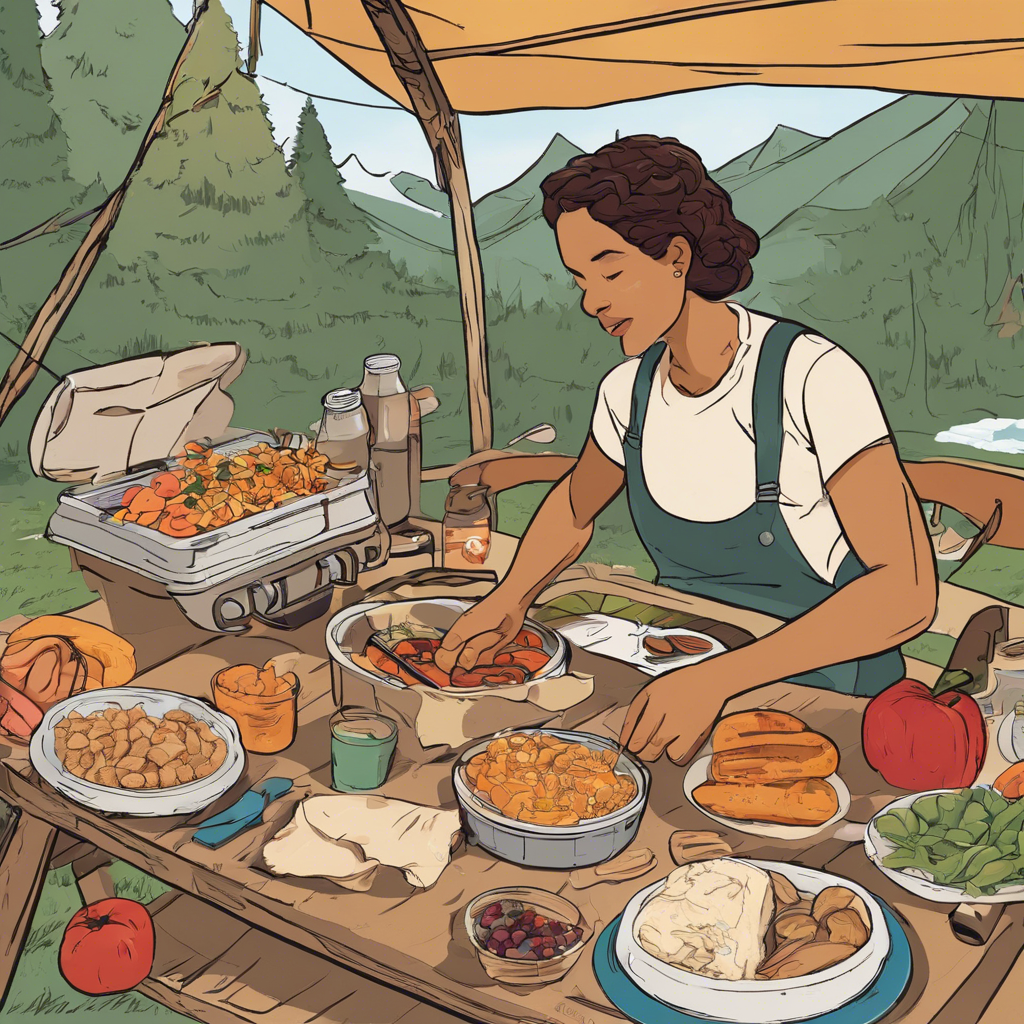
How Can Travelers Ensure They Have Enough Food For Their Camping Trip?
Introduction
Effective meal planning for a camping trip is vital for ensuring both nourishment and enjoyment. By preparing properly, you can avoid hunger and maintain energy for outdoor activities, resulting in a memorable and fulfilling camping experience.
Strategic Meal Planning for Camping
Start your camping preparation by creating a comprehensive meal plan for the entire duration of your trip. Include breakfast, lunch, dinner, and snacks in your planning. This approach prevents overpacking and minimizes food waste. Consider the number of days you'll be camping and how many people will join you. Strive for nutritionally balanced meals that combine carbohydrates, proteins, and healthy fats to sustain energy levels throughout your adventures.
- Craft a specific meal plan tailored to each day, factoring in dietary preferences and needs.
- Choose meals that are simple to prepare and require minimal cooking equipment, ensuring convenience.
Calculating Food Quantities for Camping
Once your meal plan is established, calculate the total amount of food you'll require. A general recommendation is to pack about 1 to 1.5 pounds of food per person per day, encompassing all meals and snacks. Remember to consider the density and filling nature of foods; some items are more satisfying than others, so lightweight food options may be necessary, especially for prolonged hikes.
- Dried foods, nuts, and canned goods offer nutritious options without adding too much weight.
- Utilize a detailed packing checklist to guarantee sufficient servings from each food group.
Effective Food Storage and Preparation
Consider how you will store and prepare food items during your camping adventure. Perishable food items may require refrigeration; therefore, bringing coolers or utilizing freeze-dried options that won’t spoil is essential. Determine your cooking method, whether it involves open-fire cooking, a portable stove, or quick-cook options like sandwiches and trail mix.
- Pack non-perishable snacks such as granola bars, nuts, and dried fruits for easy consumption.
- Ensure you have the right cooking utensils, pots, and an adequate fuel supply tailored to your cooking methods.
Additional Camping Food Tips
Bringing a bit of extra food can be advantageous for unexpected circumstances such as bad weather or extended stays, as it’s always wise to err on the side of caution. Also, prioritize hydration; carry enough water or a reliable water purification system to keep everyone properly hydrated throughout your trip.
- Incorporate a diverse range of meals to maintain interest and prevent food fatigue during your camping experience.
- Use reusable food containers to pack efficiently and contribute to waste reduction.
Conclusion
By following a strategic approach to meal planning, carefully calculating food quantities, and thoughtfully addressing food storage and preparation methods, you can successfully meet your food needs for a camping trip. Being well-prepared not only enhances your overall experience but also guarantees enjoyment while exploring the great outdoors.
Expert Quote
Lori B. Brown, Outdoor Educator and Nutrition Specialist
When planning meals for a camping trip, it’s essential to ensure a balance of nutrients to sustain energy levels while also considering the logistical aspects of food storage and preparation.
Article in 'Outdoor Life' Magazine, June 2022
Relevant Links
Has anyone successfully kept frozen items frozen in a cooler for a ...
https://www.reddit.com/r/camping/comments/1cacar6/has_anyone_successfully_kept_frozen_items_frozen/How to Pack a Motorcycle Like a Pro
https://ridetofood.com/how-to-pack-a-motorcycle/The Adventure Traveler's Patagonia Packing List - Updated 2024
https://worldlyadventurer.com/patagonia-packing-list/First Time Camping with Your Dog Survival Guide | Alia Rose Writes
https://www.aliarosewrites.com/camping-with-your-dog-survival-guide/How to Solo Road Trip
https://www.treelinereview.com/learn-skills/solo-road-tripYouTube Videos
Most popular questions

How Do The Personal Relationships Among Gods Affect Their Decisions In The Iliad?
The intricate relationships among the gods in Homer's epic poem 'The Iliad' play a crucial role in shaping their actions and decisions. These divine interactions create a complex web of fates, where each god's personal alliances and rivalries directly influence the events of the mortal world.

What Strategies Can Parents Use To Educate Their Children About Online Safety Beyond Privacy Settings?
In today's digital landscape, teaching children about online safety is essential for their protection and well-being. While privacy settings play a critical role, parents can implement various strategies to create a thorough understanding of online safety principles among their children.
What Are The Different Types Of Insulation Materials Commonly Used In Buildings, And How Do They Compare In Terms Of Thermal Resistance?
Insulation materials are vital for enhancing energy efficiency in residential and commercial buildings by minimizing heat transfer. Understanding the various insulation types can lead to better choices for thermal resistance and overall comfort.
Most recent questions
In What Ways Do Social Media Platforms Support Collaborations Among Artists?
Social media platforms have revolutionized the way artists collaborate, providing a dynamic digital space for creativity that transcends geographical boundaries while enhancing their exposure.
What Are Some Examples Of Artworks That Incorporate Audience Participation, And How Do They Differ From Traditional Art Forms?
Art has undergone a remarkable evolution over the years, with audience participation emerging as a dynamic and essential component of contemporary art. This transformation contrasts with traditional art forms, which typically present a fixed array of artistic expressions requiring little to no active engagement from viewers.
How Can Emerging Musical Artists Themselves Leverage Social Media Platforms To Enhance Their Visibility And Reach?
Emerging musical artists face the challenge of gaining visibility in an increasingly competitive music industry. Social media platforms have become essential tools for these artists to engage with audiences, promote their music, and establish a distinctive personal brand.