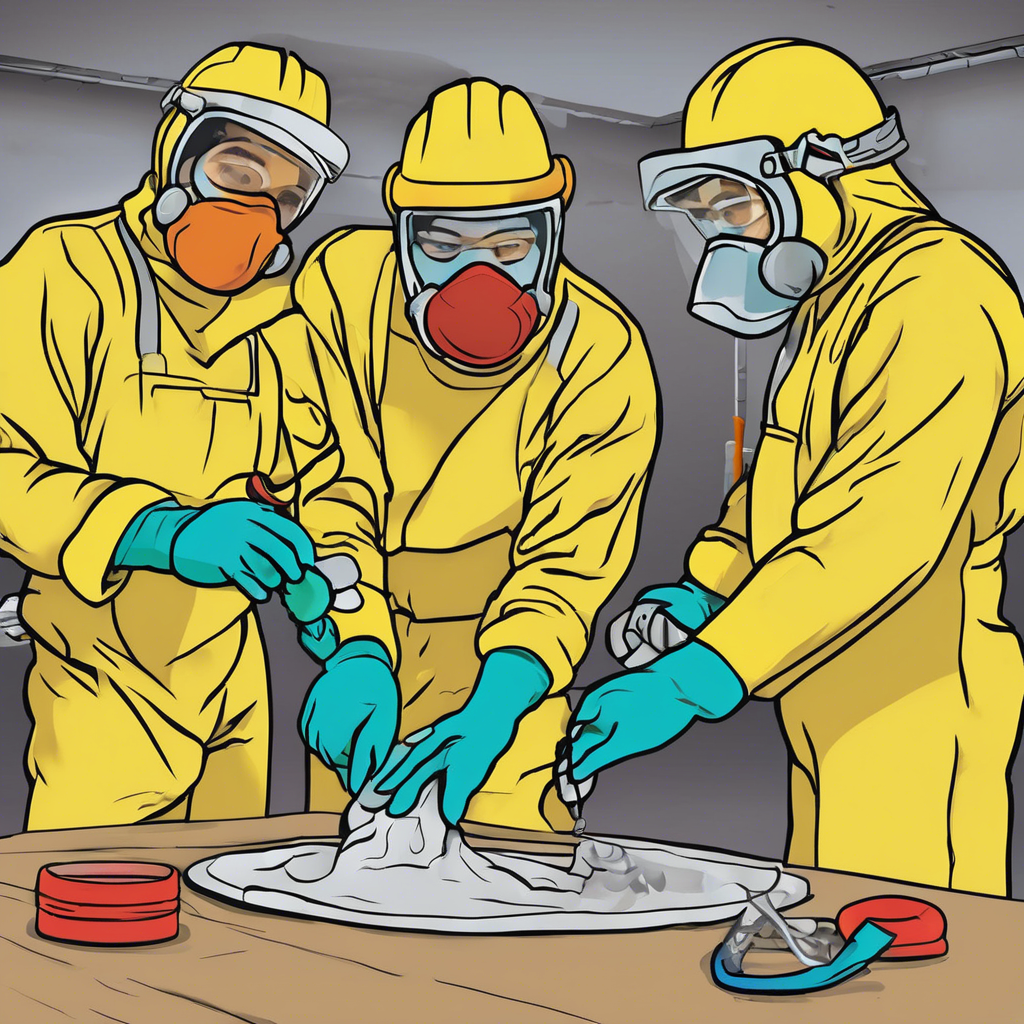
How Can Workers Be Trained Effectively To Recognize And Handle Hazardous Materials?
Introduction
Proper training for employees on recognizing and safely handling hazardous materials is essential for workplace health and safety. This training not only safeguards workers but also ensures adherence to legal standards and fosters a proactive safety culture within organizations.
Understanding Hazardous Materials
Hazardous materials encompass various substances including chemicals and biological agents that can seriously threaten health and safety if mishandled. Effective training starts with a clear comprehension of what constitutes hazardous materials, the associated risks, and established safety protocols for their management. This crucial foundational knowledge supports all subsequent training activities and promotes workplace safety.
- Define hazardous materials as substances that can adversely affect human health and the environment.
- Identify prevalent hazardous materials employees may encounter on the job.
- Explain the importance of Safety Data Sheets (SDS) and train employees on how to interpret these documents.
Effective Training Methods for Hazardous Material Handling
Utilizing engaging and interactive training methods significantly improves employee learning and information retention. Training can include practical demonstrations and digital programs that simulate real-life situations. The objective is to actively involve workers in training sessions to ensure they not only memorize procedures but also fully grasp the essential safety protocols required for working with hazardous materials.
- Conduct hands-on workshops allowing employees to practice the use of personal protective equipment (PPE) effectively.
- Implement scenario-based training that replicates emergency situations and proper reaction strategies.
- Use multimedia tools such as videos and animations to vividly illustrate risks associated with hazardous materials and the necessary safety precautions.
Regular Assessments and Ongoing Refresher Training
Training employees on hazardous materials should not be a singular occurrence. Continuous assessments are vital to verify that employees comprehend the material and can apply their knowledge practically. Scheduling regular refresher courses is crucial for updating safety practices in line with any adjustments to regulations or corporate policies, thereby ensuring ongoing workplace safety.
- Administer quizzes or practical evaluations to gauge employee understanding of hazardous materials.
- Plan regular training updates and refresher courses at least yearly or biannually to maintain knowledge currency.
- Incorporate employee feedback to refine and enhance future training programs.
Conclusion
Training employees to recognize and effectively handle hazardous materials requires a deep understanding of the materials, engaging training methodologies, and regular assessments. This comprehensive approach not only creates a safer work environment but also promotes a culture of continuous education and regulatory compliance in the workplace.
Expert Quote
Dr. John Howard, Director of the National Institute for Occupational Safety and Health (NIOSH)
Training is not just about compliance; it is an essential part of ensuring that workers can safely handle hazardous materials and comprehend the risks involved in their day-to-day tasks.
NIOSH Safety and Health Topic: Hazardous Materials, 2023
Relevant Links
Training Requirements in OSHA Standards
https://www.osha.gov/sites/default/files/publications/osha2254.pdfHazardous Materials Training Requirements | PHMSA
https://www.phmsa.dot.gov/about-phmsa/hazardous-materials-training-requirementsSafety Management - Hazard Prevention and Control | Occupational ...
http://www.osha.gov/safety-management/hazard-preventionDeveloping Your Workplace Injury & Illness Prevention Program
https://www.dir.ca.gov/dosh/dosh_publications/iipp.pdfSafety Management - Education and Training | Occupational Safety ...
http://www.osha.gov/safety-management/education-trainingYouTube Videos
Most popular questions

How Do The Personal Relationships Among Gods Affect Their Decisions In The Iliad?
The intricate relationships among the gods in Homer's epic poem 'The Iliad' play a crucial role in shaping their actions and decisions. These divine interactions create a complex web of fates, where each god's personal alliances and rivalries directly influence the events of the mortal world.

What Strategies Can Parents Use To Educate Their Children About Online Safety Beyond Privacy Settings?
In today's digital landscape, teaching children about online safety is essential for their protection and well-being. While privacy settings play a critical role, parents can implement various strategies to create a thorough understanding of online safety principles among their children.
What Are The Different Types Of Insulation Materials Commonly Used In Buildings, And How Do They Compare In Terms Of Thermal Resistance?
Insulation materials are vital for enhancing energy efficiency in residential and commercial buildings by minimizing heat transfer. Understanding the various insulation types can lead to better choices for thermal resistance and overall comfort.
Most recent questions
How Do Audience Demographics Influence The Selection Of Materials Used In Theater Construction?
Understanding audience demographics is essential in the theater industry because it significantly influences the design, materials, and overall construction of performance spaces. Key demographics such as age, cultural background, socioeconomic status, and personal preferences shape the theater experience for diverse audiences.
How Does Nostalgia Impact Audience Perception Of Remakes And Reboots In Film?
Nostalgia, a deeply-rooted emotion characterized by a sentimental longing for the past, significantly shapes how audiences perceive film remakes and reboots. This emotional connection is vital, influencing viewer expectations, enjoyment levels, and critical reception of these cinematic works, ultimately determining their success or failure in the competitive film industry.
In What Ways Do Lighting And Stage Design Affect Audience Perception Of An Artist's Message During A Live Concert?
Effective lighting and innovative stage design are essential components in creating a captivating live concert experience. These elements not only boost the visual allure of the show but also play a crucial role in shaping how the audience interprets the artist's message.