How Did Changes In Trade Networks Impact The Economic Stability Of The Roman Empire?
Introduction
The economic stability of the Roman Empire was significantly shaped by the evolution of trade networks throughout its extensive history. As these trade routes transformed, they influenced the flow of goods, fostered cultural exchanges, and impacted economic prosperity, while also presenting challenges that ultimately contributed to the Empire's decline.
The Role of Trade Networks in the Roman Economy
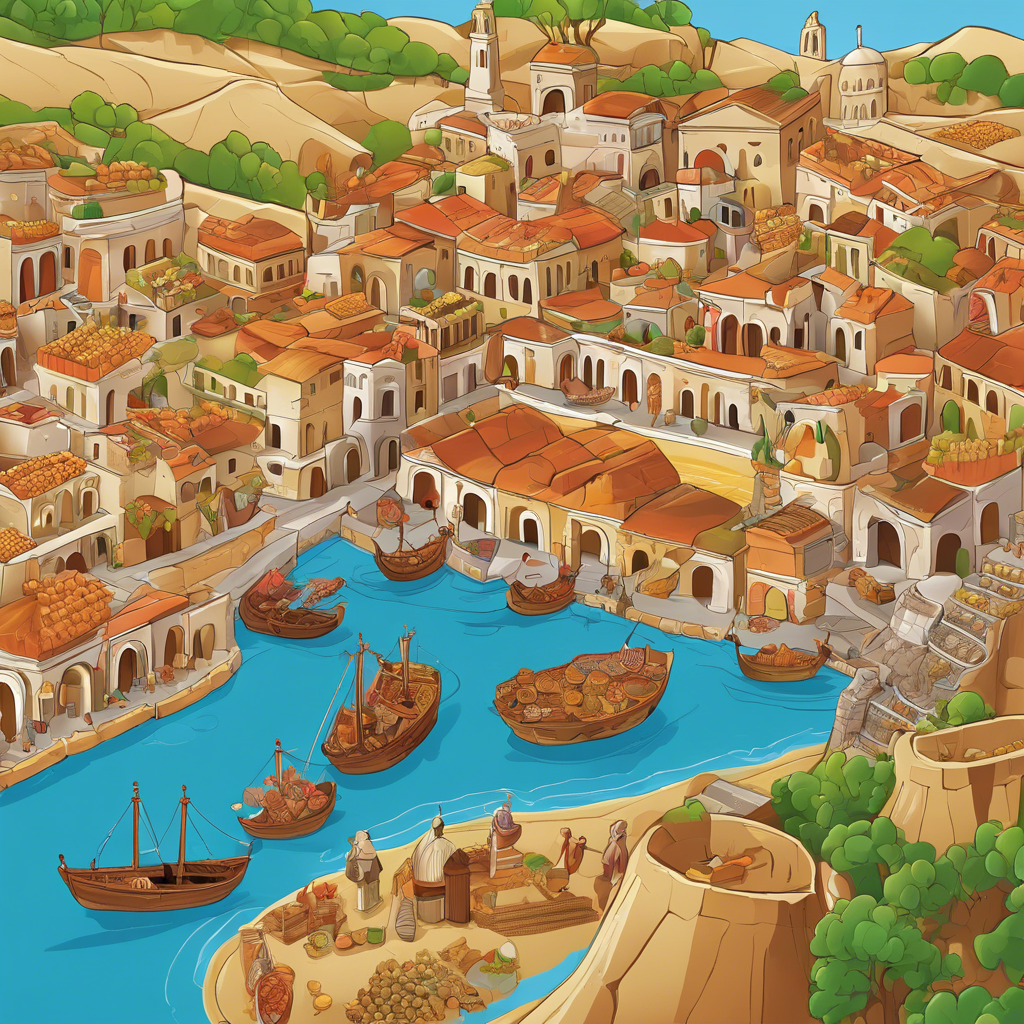
Trade networks played a vital role in the Roman economy, enabling the exchange of goods across vast distances. The Roman Empire's extensive network of roads and maritime trade routes facilitated the movement of essential commodities such as grain, olive oil, wine, spices, and luxury goods. The integration of various conquered territories into a cohesive trade system led to increased economic interdependence among provinces. The establishment of expansive trade networks not only stimulated local economies but also allowed the importation of resources from diverse regions. However, not all developments in trade networks were advantageous for the Empire. For example, shifts in supply routes could result in local shortages or price spikes that destabilized regional markets.
- The establishment of the Silk Road and its impact on Roman trade with Asia.
- Infrastructure projects like Roman roads enhanced trade access and strengthened market systems.
Consequences of Trade Disruptions
Disruptions in trade networks, especially due to invasions or economic downturns, had profound implications for the Roman economy. Reductions in the influx of goods resulted in a growing dependence on local markets, which were often inadequate. This reduced availability of trade weakened the overall economic stability of the Empire, leading to inflation and rising social tensions. Furthermore, the decline of trade routes from external threats, such as barbarian invasions, intensified economic hardships, culminating in a widespread crisis during the 3rd century. The reliance on localized products during this tumultuous period frequently failed to make up for the loss of vital long-distance trade.
- Invasions triggered the collapse of vital trade routes.
- Economic isolation of provinces led to diminished wealth and resource availability.
Conclusion
The transformation of trade networks had a profound impact on the economic framework of the Roman Empire, affecting both its periods of prosperity and decline. Understanding the dynamics of these interconnections provides critical insights into how trade systems can sustain or undermine empires, especially during crises when trade is significantly disrupted.
Expert Quote
Dr. Peter Heather, Professor of History at King's College London
The decline of trade in the later Roman Empire critically contributed to its economic instability, highlighting the importance of interconnected trade routes for maintaining a robust economic system.
The Fall of the Roman Empire: A New History of Rome and the Barbarians, 2005
Relevant Links
Trade and Geography in the Spread of Islam - PMC
https://www.ncbi.nlm.nih.gov/pmc/articles/PMC8046173/The Roman Republic (article) | Rise of Rome | Khan Academy
https://www.khanacademy.org/humanities/world-history/ancient-medieval/roman-empire/a/roman-republicCrisis of the Third Century - Wikipedia
https://en.wikipedia.org/wiki/Crisis_of_the_Third_CenturyThe Silk Road (article) | Khan Academy
https://www.khanacademy.org/humanities/world-history/ancient-medieval/silk-road/a/the-silk-roadHow Ancient Rome Thrived During Pax Romana
https://www.history.com/news/pax-romana-roman-empire-peace-augustusYouTube Videos
Most popular questions

How Do The Personal Relationships Among Gods Affect Their Decisions In The Iliad?
The intricate relationships among the gods in Homer's epic poem 'The Iliad' play a crucial role in shaping their actions and decisions. These divine interactions create a complex web of fates, where each god's personal alliances and rivalries directly influence the events of the mortal world.

What Strategies Can Parents Use To Educate Their Children About Online Safety Beyond Privacy Settings?
In today's digital landscape, teaching children about online safety is essential for their protection and well-being. While privacy settings play a critical role, parents can implement various strategies to create a thorough understanding of online safety principles among their children.
What Are The Different Types Of Insulation Materials Commonly Used In Buildings, And How Do They Compare In Terms Of Thermal Resistance?
Insulation materials are vital for enhancing energy efficiency in residential and commercial buildings by minimizing heat transfer. Understanding the various insulation types can lead to better choices for thermal resistance and overall comfort.
Most recent questions
How Do Cultural Differences Influence Personal Space Preferences In Both Indoor And Outdoor Social Events?
Understanding personal space preferences is essential as they are greatly influenced by cultural backgrounds. These space preferences can significantly impact social interactions in various settings, both indoors and outdoors, making cultural awareness vital for effective communication.
In What Ways Do Gaming Communities Justify Their Modifications To Existing Games?
Gaming communities frequently engage in modding, a process that involves modifying existing video games to improve the gaming experience, unleash creativity, or rectify perceived issues. This widespread practice is particularly prevalent on PC gaming platforms due to their open architecture and extensive modding support, enabling players to tailor games to their liking.
How Do Immersive Technologies Alter The Ways In Which Consumers Engage With Brands In Comparison To Conventional Marketing Strategies?
Immersive technologies, including virtual reality (VR) and augmented reality (AR), are significantly transforming consumer engagement strategies across various industries. These advanced technologies facilitate interactive environments, allowing consumers to engage with brands and products in dynamic ways that traditional marketing methods cannot achieve.