How Did Social Media Influence Public Perception Of Ethnic Groups During The Yugoslav Wars?
Introduction
The Yugoslav Wars, which unfolded during the tumultuous 1990s, were characterized by intense ethnic conflicts and rivalries that profoundly influenced the political landscape of the Balkan region. The claim that social media served as a significant tool during this period is incorrect because modern social media platforms did not exist at that time. Instead, traditional media and early digital communication methods played a central role in shaping narratives, altering public perceptions, and framing attitudes toward the various ethnic communities involved. This analysis investigates how these media dynamics influenced public understanding amidst the chaos of war.
Media's Role in Shaping Conflict Narratives
Throughout the Yugoslav Wars, information dissemination relied heavily on traditional media, including newspapers, television, and radio broadcasts. These media channels wielded considerable power over public perceptions and narratives regarding the conflict. While early digital forums and message boards existed, they lacked the reach and influence of the social media platforms that came into prominence later. The narratives communicated through these traditional media sources were often colored by the biases of their owners and editors, leading to shifts in public opinion based on reported events rather than personal social media interactions.
- Traditional media provided a platform for diverse opinions, yet often reflected the biases of media proprietors.
- Early internet forums facilitated some discussion but did not have the widespread influence of later social media platforms.
Influence on Public Perception During the Wars
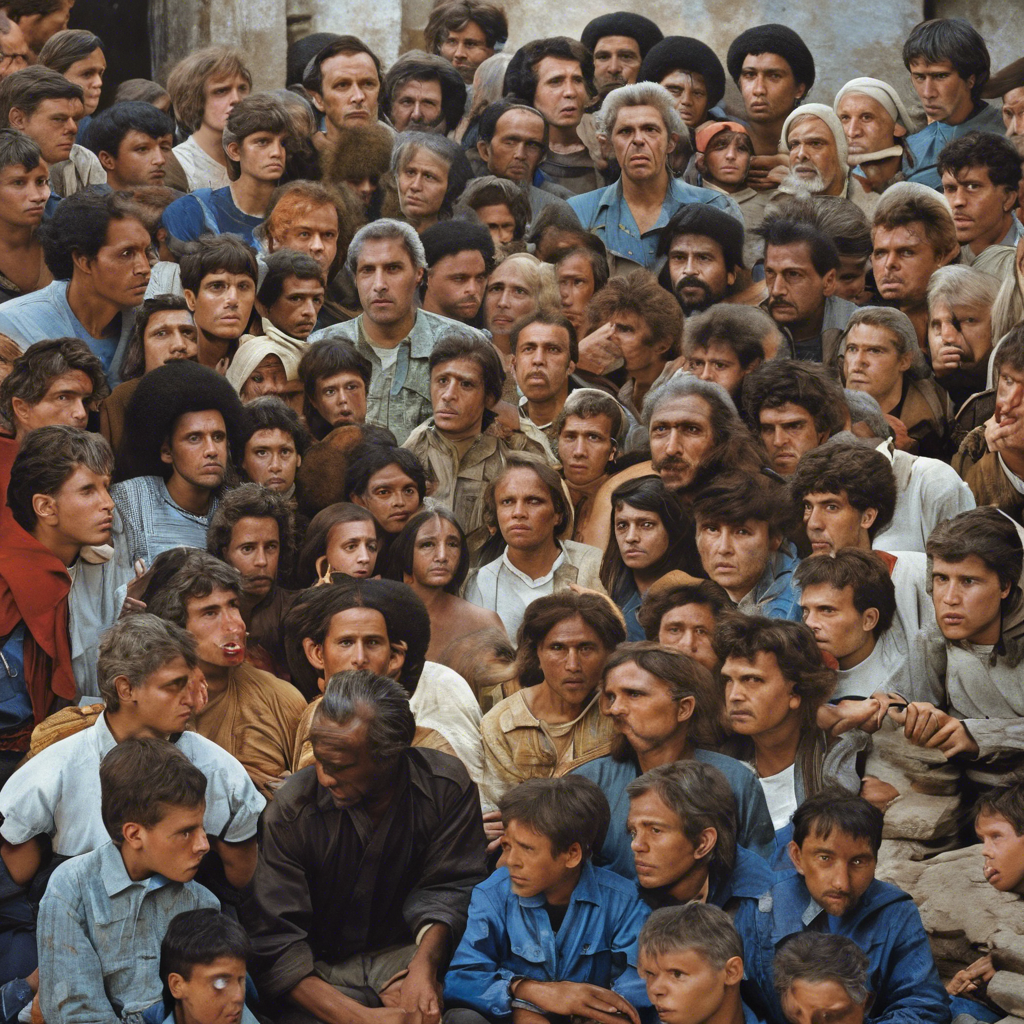
The representations of ethnic groups during the Yugoslav Wars were significantly shaped by traditional media, which often perpetuated stereotypes and deepened cultural divisions. This influence was especially pronounced in characterizations of specific ethnic groups, resulting in damaging generalizations. Individuals outside the region formed their views primarily through the media coverage they consumed, which frequently exhibited bias or sensationalism.
- Negative stereotyping of certain ethnic communities prevailed, fueling narratives that heightened tensions.
- Underreported positive instances of inter-ethnic cooperation led to a distorted understanding of the conflict dynamics.
Conclusion
In conclusion, while social media plays a crucial role in contemporary conflicts, its influence during the Yugoslav Wars was minimal compared to traditional media. Recognizing the media's impact on narratives and public perception is vital, especially in conflict contexts, as these influences can shape societal views long after the cessation of hostilities.
Expert Quote
Dr. Andrew Bacevich, Professor Emeritus of International Relations at Boston University
In the modern era, where social media amplifies voices that might otherwise go unheard, the dynamics of identity and conflict are reshaped. The Yugoslav Wars illustrate how narratives crafted in the media can influence and often distort perceptions, contributing to polarization rather than understanding.
Article in The Nation, 'War and Social Media: A Double-Edged Sword', 2020
Relevant Links
The Conflicts | International Criminal Tribunal for the former ...
https://www.icty.org/en/about/what-former-yugoslavia/conflictsThe Breakup of Yugoslavia, 1990–1992
https://history.state.gov/milestones/1989-1992/breakup-yugoslaviaSocial Media, Stereotypes, and the Acknowledgement of War Crimes
https://www.tandfonline.com/doi/full/10.1080/17502977.2024.2316747Genocide In Bosnia - Holocaust Museum Houston
https://hmh.org/library/research/genocide-in-bosnia-guide/BTI 2024 Croatia Country Report: BTI 2024
https://bti-project.org/en/reports/country-report/HRVYouTube Videos
Most popular questions

How Do The Personal Relationships Among Gods Affect Their Decisions In The Iliad?
The intricate relationships among the gods in Homer's epic poem 'The Iliad' play a crucial role in shaping their actions and decisions. These divine interactions create a complex web of fates, where each god's personal alliances and rivalries directly influence the events of the mortal world.

What Strategies Can Parents Use To Educate Their Children About Online Safety Beyond Privacy Settings?
In today's digital landscape, teaching children about online safety is essential for their protection and well-being. While privacy settings play a critical role, parents can implement various strategies to create a thorough understanding of online safety principles among their children.
What Are The Different Types Of Insulation Materials Commonly Used In Buildings, And How Do They Compare In Terms Of Thermal Resistance?
Insulation materials are vital for enhancing energy efficiency in residential and commercial buildings by minimizing heat transfer. Understanding the various insulation types can lead to better choices for thermal resistance and overall comfort.
Most recent questions
What Impact Does Social Media Networking Have On The Promotion Of New Music Genres Compared To Classical Music?
The influence of social media networking on promoting new music genres, especially in contrast to classical music, has significantly transformed how artists engage with their audiences. This change has created a vibrant environment where music discovery and fan interaction occur rapidly and on a large scale.
How Does Genre Influence Audience Expectations In Narratives?
Understanding genre is essential for audience engagement in narratives, as it shapes how stories are perceived and enjoyed. It serves as a roadmap for viewers, setting the stage for the themes, structures, and emotional tones they can anticipate.
What Role Do Social Media Platforms Play In Amplifying Fan Theories During A Media Release Campaign?
Social media platforms have become essential channels in shaping and amplifying fan theories during media release campaigns, especially within the entertainment industry. These platforms function as dynamic hubs for discussion, sharing, and speculation, significantly enhancing fan engagement with upcoming films, shows, and music releases.