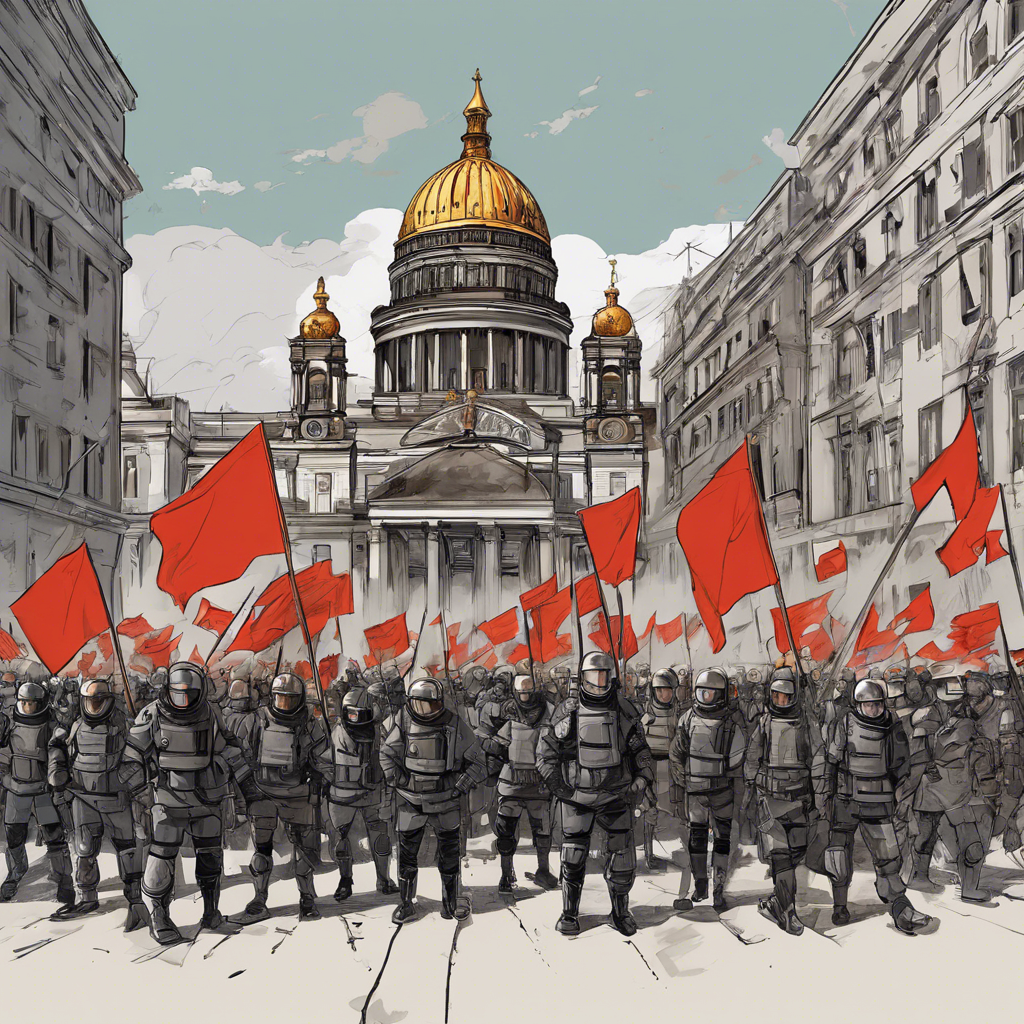
How Did The Media Coverage Of The Protests Influence International Perceptions Of Eastern Europe At The Time?
Introduction
The significant media coverage of protests in Eastern Europe during critical events, such as the fall of the Soviet Union and subsequent revolutions, was pivotal in shaping global perspectives. This extensive coverage not only informed international audiences about these transformative events but also influenced political reactions and solidarity movements across the world, highlighting the essential role of media in facilitating global communication and understanding.
Impact of Media Coverage on Global Awareness of Eastern European Protests
In the late 20th century, media coverage of Eastern European protests, particularly those leading to the end of communism, played a crucial role in highlighting previously overlooked struggles. Both local and global media worked to bring focus to these movements, ensuring the stories of protesters gained visibility on an international scale. As vivid images and powerful narratives circulated, global audiences became increasingly empathetic to the calls for freedom and democracy in Eastern Europe.
- Television broadcasts showcased live images of protests, stirring emotional responses from viewers worldwide and raising awareness of the struggle for democracy.
- Print media conveyed personal accounts of protesters, emphasizing individual sacrifices and the broader implications for human rights in the region.
Influence of Media on Political Reactions to Eastern Europe
The widespread media attention not only publicized the situation but also compelled governments and international organizations to respond actively. Politicians and policy advisors monitored media reports closely, leveraging public sentiment expressed in the news to guide their diplomatic strategies. For instance, Western political leaders frequently cited media portrayals of Eastern protests as justifications for their support of pro-democracy movements and the implementation of sanctions against repressive governments.
- Increased global solidarity resulted in formal actions such as economic sanctions and support for democratic initiatives in Eastern Europe.
- The powerful imagery and narratives in the media mobilized grassroots movements in other nations, encouraging similar uprisings and demonstrations for freedom and rights.
Shifting Cultural Perceptions of Eastern Europe through Media Narratives
Media portrayals of Eastern European protests contributed to a major transformation in cultural perceptions. Through carefully crafted narratives, media outlets reshaped the image of Eastern Europe from one associated with oppression to a symbol of resilience and hope. This transformation mirrors a storytelling arc where characters evolve from antagonist to protagonist, altering the way global audiences viewed the region's potential for democratic change and social reform.
- Protests were routinely framed as part of a universal fight for human rights, garnering significant global empathy and support for Eastern Europe's movements.
- Cultural depictions in films, literature, and art increasingly focused on Eastern European histories and the narratives surrounding these protests, effectively challenging long-standing stereotypes.
Conclusion
In conclusion, the extensive media coverage of Eastern European protests played a key role in enhancing international awareness, influencing political actions, and transforming cultural narratives about the region. Recognizing this relationship underscores the profound power of media in shaping historical events and contemporary social issues.
Expert Quote
Dr. Thomas Blanton, Director of the National Security Archive at George Washington University
The media's portrayal of the pro-democracy movements in Eastern Europe was vital in generating transnational solidarity and altering global perspectives towards the region's struggles for freedom.
Blanton, Thomas. 'The Role of Media in the Transformation of Eastern Europe', National Security Archive, 2020.
Relevant Links
2023 Corruption Perceptions Index: Explore the… - Transparency.org
https://www.transparency.org/en/cpi/20232023 Report on the Military and Security Developments Involving ...
https://media.defense.gov/2023/Oct/19/2003323409/-1/-1/1/2023-MILITARY-AND-SECURITY-DEVELOPMENTS-INVOLVING-THE-PEOPLES-REPUBLIC-OF-CHINA.PDFMedia Freedom: A Downward Spiral | Freedom House
https://freedomhouse.org/report/freedom-and-media/2019/media-freedom-downward-spiralA sharp right turn: A forecast for the 2024 European Parliament ...
https://ecfr.eu/publication/a-sharp-right-turn-a-forecast-for-the-2024-european-parliament-elections/Think Tank reports on Russia's war of aggression against Ukraine ...
https://www.consilium.europa.eu/en/documents-publications/library/library-blog/posts/think-tank-reports-on-russia-s-war-of-aggression-against-ukraine/YouTube Videos
Most popular questions

How Do The Personal Relationships Among Gods Affect Their Decisions In The Iliad?
The intricate relationships among the gods in Homer's epic poem 'The Iliad' play a crucial role in shaping their actions and decisions. These divine interactions create a complex web of fates, where each god's personal alliances and rivalries directly influence the events of the mortal world.

What Strategies Can Parents Use To Educate Their Children About Online Safety Beyond Privacy Settings?
In today's digital landscape, teaching children about online safety is essential for their protection and well-being. While privacy settings play a critical role, parents can implement various strategies to create a thorough understanding of online safety principles among their children.
What Are The Different Types Of Insulation Materials Commonly Used In Buildings, And How Do They Compare In Terms Of Thermal Resistance?
Insulation materials are vital for enhancing energy efficiency in residential and commercial buildings by minimizing heat transfer. Understanding the various insulation types can lead to better choices for thermal resistance and overall comfort.
Most recent questions
How Does The Choice Of Cinematography Impact The Audience's Perception Of Historical Authenticity In Both Documentaries And Fictional Films?
The choice of cinematography is essential for conveying historical authenticity in both documentaries and fictional films. By employing various techniques such as lighting, composition, and camera movement, filmmakers can evoke a rich sense of time and place that greatly influences audience understanding and emotional engagement with historical material.
How Do Aging Processes Affect The Flavor Profiles Of Cheeses And Their Pairing With Wines?
The aging process of cheese, known as affinage, is vital in developing its unique flavor profile while greatly influencing its compatibility with wines. As cheese matures, the transformations in its texture and taste create a rich tasting experience that pairs exquisitely with various wines, enhancing culinary enjoyment.
How Do The Narrative Techniques Used In Mockumentaries Influence Viewer Engagement Compared To Those In Traditional Documentaries?
Mockumentaries uniquely combine the storytelling techniques of traditional documentaries with fictional narratives, effectively engaging audiences through humor, satire, and dynamic character-driven plots. This innovative genre offers a refreshing take on documentary filmmaking, attracting viewers seeking both entertainment and insight into real-world issues.