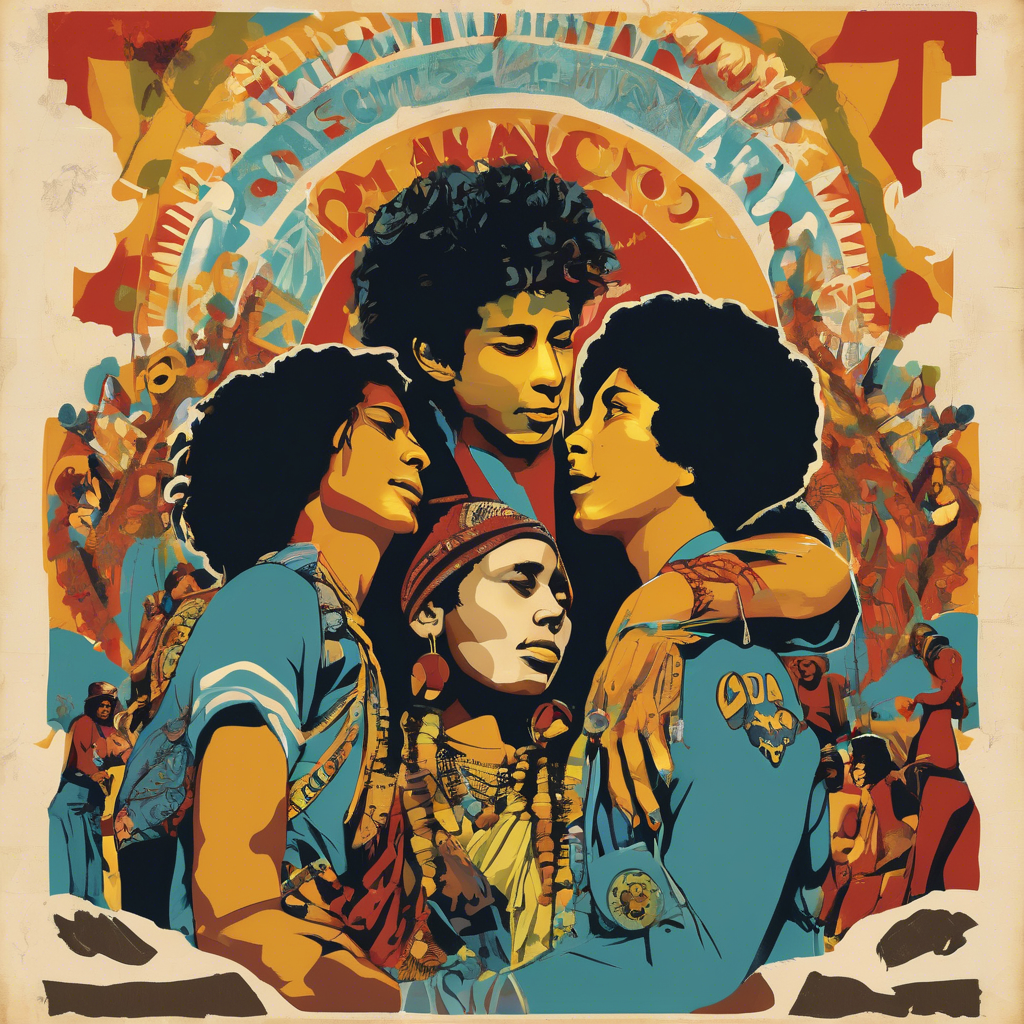
How Did The Political Climate Of The 1960s Influence The Themes In Counterculture Music?
Introduction
The political climate of the 1960s was a transformative period that significantly shaped the themes in counterculture music. This era was defined by profound social change, widespread political upheaval, and the rise of youth culture, which resonated powerfully in the artistic expressions of musicians during this time.
The Influence of Social Movements on Music
The 1960s were heavily influenced by numerous social movements advocating for civil rights, anti-war actions, and social justice. Prominent musicians such as Bob Dylan, Joan Baez, and influential bands like The Beatles not only responded to these societal shifts but also reflected them in their music. Their songs carried powerful messages of protest and hope, becoming anthems for a generation yearning for change. By serving as vehicles for expressing collective discontent and aspirations for a better world, these artists created music that functioned as a significant form of social commentary, deeply affecting listeners.
- Songs like 'The Times They Are A-Changin'' became iconic anthems of the civil rights movement.
- Anti-war hits like 'Fortunate Son' voiced the widespread resentment directed at the Vietnam War and its draft.
The Emergence of Counterculture in Music
The counterculture movement, which thrived alongside the political unrest, promoted values of peace, love, and communal living, often opposing mainstream societal expectations. This radical transformation was echoed in the era's music, which embraced psychedelic themes and consciousness exploration, reflecting ideals of freedom and non-conformity. Bands such as The Grateful Dead and Jefferson Airplane used their musical platforms to advocate messages of unity and to challenge traditional values, thereby helping define the identity of a generation through their revolutionary music.
- The psychedelic rock genre became emblematic of the counterculture, symbolizing a departure from societal norms.
- Songs exploring personal freedom and the vision for a new societal order came to the forefront, exemplified by the iconic Woodstock festival.
Conclusion
In summary, the political landscape of the 1960s greatly influenced counterculture music, infusing it with themes addressing the challenges and aspirations of a generation. The artists of this pivotal era not only reflected the frustrations of their time but also ignited movements that aimed to redefine societal norms and foster peace. The political messages intertwined in their music ensured its lasting significance as a powerful tool for social change.
Expert Quote
Dr. J. David Hoeveler, Professor of History at the University of Wisconsin-Milwaukee
The music of the 1960s acted as both a mirror and a hammer, reflecting societal discontent while simultaneously shaping the cultural landscape of a generation—articulating the political struggles and aspirations of youth in a time of dramatic upheaval.
Book: 'The Counterculture Era: A Historical Anthology', 2010
Relevant Links
Counterculture of the 1960s - Wikipedia
https://en.wikipedia.org/wiki/Counterculture_of_the_1960s1960s counterculture | Definition, Hippies, Music, Protests, & Facts ...
https://www.britannica.com/topic/1960s-counterculture1960s: Counterculture and Civil Rights Movement | HISTORY
https://www.history.com/topics/1960sThe Counterculture Generation: Idolized, Appropriated, and ...
https://thekeep.eiu.edu/cgi/viewcontent.cgi?article=1186&context=the_councilorYouth counterculture of the 1960s - (AP US History) - Vocab ...
https://library.fiveable.me/key-terms/apush/youth-counterculture-of-the-1960sYouTube Videos
Most popular questions

How Do The Personal Relationships Among Gods Affect Their Decisions In The Iliad?
The intricate relationships among the gods in Homer's epic poem 'The Iliad' play a crucial role in shaping their actions and decisions. These divine interactions create a complex web of fates, where each god's personal alliances and rivalries directly influence the events of the mortal world.

What Strategies Can Parents Use To Educate Their Children About Online Safety Beyond Privacy Settings?
In today's digital landscape, teaching children about online safety is essential for their protection and well-being. While privacy settings play a critical role, parents can implement various strategies to create a thorough understanding of online safety principles among their children.
What Are The Different Types Of Insulation Materials Commonly Used In Buildings, And How Do They Compare In Terms Of Thermal Resistance?
Insulation materials are vital for enhancing energy efficiency in residential and commercial buildings by minimizing heat transfer. Understanding the various insulation types can lead to better choices for thermal resistance and overall comfort.
Most recent questions
How Do Changes In Social Media Algorithms Affect The Visibility Of Fan Fiction Narratives?
Social media algorithms significantly influence the visibility of content shared online. For fan fiction writers and readers, ongoing changes in these algorithms can substantially affect how narratives are accessed and appreciated. Understanding these algorithmic fluctuations empowers creators to navigate the digital environment more effectively and maximize their audience reach.
How Do Social Media Platforms Influence The Choices And Preferences Of Younger Players When Selecting Online Poker Rooms?
The impact of social media platforms on younger players' choices and preferences in online poker rooms has become increasingly prominent. As digital communication and online community interactions expand, these platforms significantly shape user perceptions, disseminate valuable information, and establish gaming trends that directly affect decision-making in the online poker landscape.
What Role Do Other Elements Like Decor And Lighting Play In Creating The Overall Ambiance Of An Italian Restaurant Alongside Music?
Creating the ideal atmosphere in an Italian restaurant requires a harmonious blend of essential elements such as decor, lighting, and music. Each of these factors plays a significant role in shaping the overall dining experience, inviting guests to relax and savor their meals in a delightful Italian setting.