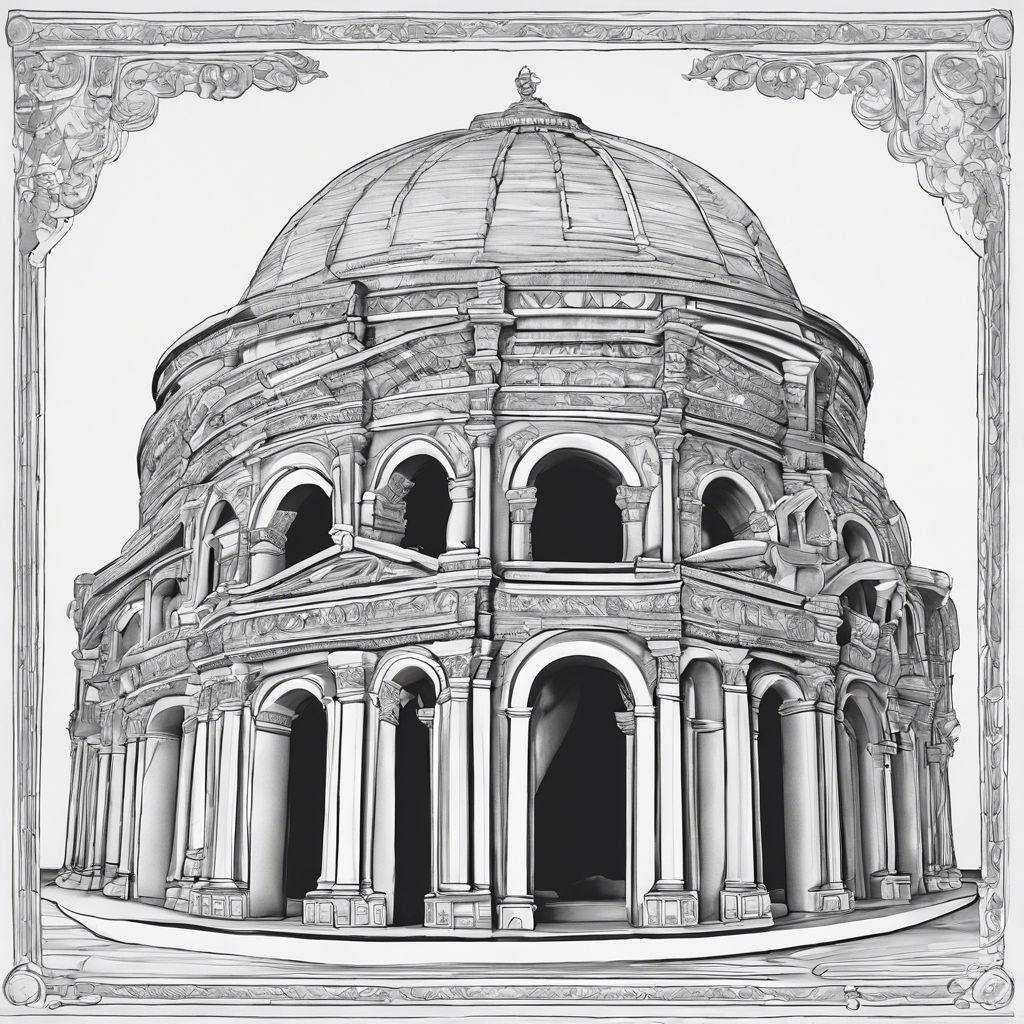
How Did The Renaissance Influence Architectural Styles In Europe?
Introduction
The Renaissance was a transformative period in European history, spanning the 14th to the 17th century, marked by a profound revival of classical art, literature, and knowledge. This influential cultural movement significantly shaped architectural styles across Europe, introducing innovative designs that departed from medieval traditions and set new standards for aesthetics and construction.
The Revival of Classical Elements in Renaissance Architecture
During the Renaissance, architects drew direct inspiration from the art and architecture of ancient Greece and Rome. This revival fostered a renewed emphasis on symmetry, proportion, and geometric design principles. Architects embraced classical columns, arches, and domes, creating visually harmonious structures that exemplified beauty and order.
- Incorporation of classical columns and pilasters reflecting ancient Greek and Roman architectural styles.
- Emphasis on proportionality, achieving a balance in building dimensions that enhances visual appeal.
- Notable inclusion of domes, such as Brunelleschi's dome of the Florence Cathedral, symbolizing architectural creativity and advancement.
The Influence of Humanism on Architectural Design
The Renaissance was significantly shaped by humanism, an intellectual movement that emphasized individual potential and accomplishments. This humanistic ideology deeply influenced architecture, prompting the design of structures that served not only functional needs but also expressed human experience and emotion through innovative building forms and aesthetics.
- Focus on grandeur and scale, showcasing human achievements through monumental architectural works.
- Introduction of linear perspective in architectural design, allowing for more realistic spatial experiences and depth in structures.
- Integration of gardens and thoughtful urban planning, highlighting the essential connection between nature and human activity in architectural landscapes.
Regional Variations in Renaissance Architectural Styles
Renaissance architecture evolved distinctively across Europe, adapted to diverse local needs and cultural contexts. Though Italy is often recognized as the birthplace of Renaissance architecture, other regions developed unique architectural expressions that contributed to the movement as a whole.
- Italian Renaissance: Defined by grand palaces and basilicas, showcasing classical themes with a strong focus on symmetry and order.
- Northern Renaissance: Notable for ornate decorations blending local Gothic styles with Renaissance characteristics.
- Mannerism: A further evolution of Renaissance architecture characterized by playful proportions and complexity, expressing creativity and tension in design.
Conclusion
The Renaissance reshaped architectural styles across Europe by seamlessly integrating classical elements, emphasizing humanism, and inspiring regional variations. This remarkable era established foundational principles for modern architecture, merging artistry with functionality and paving the way for subsequent architectural movements.
Expert Quote
Dr. Robert Adam, Architect and Author
The Renaissance was a time of architectural rebirth, where the application of classical principles and humanism radically shifted the conception and construction of buildings, influencing generations of architects to emphasize proportion, harmony, and the expression of human experience in their designs.
Architectural Design: An Anthology of the Renaissance, 2019
Relevant Links
Renaissance architecture - Wikipedia
https://en.wikipedia.org/wiki/Renaissance_architectureHow the Renaissance Influenced Architecture | ArchDaily
https://www.archdaily.com/979358/how-the-renaissance-influenced-architecturePalladianism: an architectural style guide
https://www.architecture.com/knowledge-and-resources/knowledge-landing-page/palladianismExploring The Origins And Influence Of Renaissance Architecture
https://howtorhino.com/blog/architecture-styles/renaissance-architecture/Architecture in Renaissance Italy | Heilbrunn Timeline of Art History
https://www.metmuseum.org/toah/hd/itar/hd_itar.htmYouTube Videos
Most popular questions

How Do The Personal Relationships Among Gods Affect Their Decisions In The Iliad?
The intricate relationships among the gods in Homer's epic poem 'The Iliad' play a crucial role in shaping their actions and decisions. These divine interactions create a complex web of fates, where each god's personal alliances and rivalries directly influence the events of the mortal world.

What Strategies Can Parents Use To Educate Their Children About Online Safety Beyond Privacy Settings?
In today's digital landscape, teaching children about online safety is essential for their protection and well-being. While privacy settings play a critical role, parents can implement various strategies to create a thorough understanding of online safety principles among their children.
What Are The Different Types Of Insulation Materials Commonly Used In Buildings, And How Do They Compare In Terms Of Thermal Resistance?
Insulation materials are vital for enhancing energy efficiency in residential and commercial buildings by minimizing heat transfer. Understanding the various insulation types can lead to better choices for thermal resistance and overall comfort.
Most recent questions
How Do Traditional Crafts Influencers Compare Their Audience Engagement Metrics With Influencers In Other Niches?
Engagement metrics are critical for influencers to evaluate how effectively they connect with their audience. For influencers in the traditional crafts niche, understanding these key metrics relative to other sectors offers valuable insights into their specific challenges and opportunities for audience engagement.
If You Could Choose Between Teleportation Or Time Travel, Which Would You Choose And Why?
Choosing between teleportation and time travel is a captivating exploration that merges elements of science fiction with profound philosophical inquiries about existence and decision-making. Each extraordinary ability offers unique advantages and challenges, influencing our understanding of time and space.
How Do Social Features In Mobile Games Impact The Long-term Retention Of Gen Z Gamers?
The integration of social features in mobile games has revolutionized the gaming industry, especially among Gen Z gamers who thrive on connectivity and social interaction. Understanding the impact of these features on long-term player retention is crucial for designing engaging gaming experiences that resonate with this tech-savvy demographic.