How Do Bi-cultural Families Decide Which Language To Use In Different Contexts?
Introduction
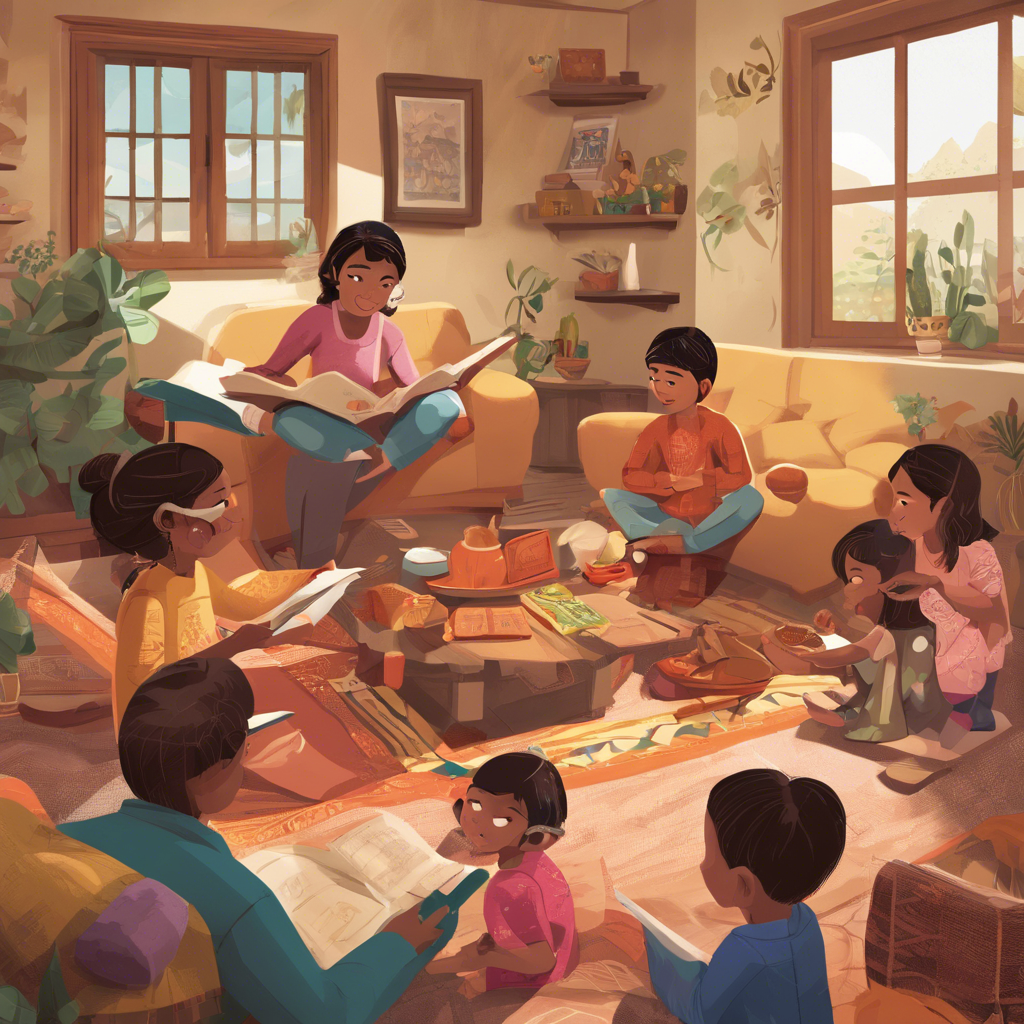
Bi-cultural families experience distinct challenges and invaluable opportunities when it comes to language use in their homes. Navigating multiple languages can be akin to balancing diverse cultural identities, leading to informed decisions in various social contexts, which is crucial for promoting multilingualism and cultural integration.
Key Factors Influencing Language Choice
The choice of which language to communicate in specific scenarios is influenced by numerous factors that bi-cultural families carefully assess. Understanding these factors can significantly enhance interactions both within the family unit and with the broader community, positively impacting bilingual development and cultural connection.
- Physical context: The environment often dictates the appropriate language; for example, a family may communicate in English at home but switch to Spanish during community gatherings.
- Audience: Language choice varies according to the listeners; parents may opt for one language when engaging their children and another with relatives or friends, facilitating understanding and inclusion.
- Cultural significance: A particular language may hold cultural importance, prompting families to use it during cultural celebrations or family traditions, reinforcing cultural heritage.
- Educational considerations: Parents may choose to speak a certain language that aligns with their children's educational needs, aiding their academic success and fostering proficient bilingual communication.
Effective Language Strategies for Bi-Cultural Families
Bi-cultural families often adopt diverse strategies to manage language use effectively. Understanding these practical approaches can enhance communication, ensuring all family members feel engaged and valued in both languages, thus supporting a bilingual and bicultural upbringing.
- One parent, one language approach: A widely adopted strategy where each parent consistently speaks a different language to their children, promoting active bilingualism from an early age.
- Total immersion strategy: Families may immerse their children in one language during specific activities, such as reading in one language while completing homework in another, enriching their linguistic experience.
- Rotating languages: Alternating the language used on different days or during various activities gives equal importance to both languages, fostering a dynamic and engaging language-learning environment.
- Situational language use: Adapting language choice based on context—using one language at home and another in social situations—helps children thrive in multicultural settings and develop language versatility.
Conclusion
Recognizing the complexities of language use within bi-cultural families is essential for fostering effective communication and enhancing cultural richness. By being aware of the factors and strategies involved in bilingual upbringing, families can cultivate a harmonious atmosphere that celebrates both languages and cultures, enriching their children's linguistic and cultural education.
Expert Quote
Dr. Ofra E. Tirosh, Associate Professor of Language and Literacy Education at the University of Georgia
Bicultural families often navigate the complexities of language use as a way to affirm both cultural identities, making decisions that reflect the social dynamics and contexts they inhabit.
‘Language Use Among Bicultural Families: The Challenges and Opportunities’, Journal of Multilingual and Multicultural Development, 2020.
Relevant Links
Biculturalism and Context: What Is Biculturalism, and When Is It ...
https://www.ncbi.nlm.nih.gov/pmc/articles/PMC2840244/Belonging, Identity and Bicultural Confidence
https://culturallyenough.substack.com/p/belonging-identity-and-biculturalOur Family's Experience of the Bilingual-Bicultural Educational ...
https://www.bchandsandvoices.com/post/our-familys-experience-of-the-bilingual-bicultural-educational-approach/Nuggets Bilingues: Becoming a Bicultural/ Bilingual Family ...
https://www.momsrising.org/blog/nuggets-bilingues-becoming-a-bicultural-bilingual-familyWhat My Bicultural Background Taught Me About Being a Leader
https://hbr.org/2022/09/what-my-bicultural-background-taught-me-about-being-a-leaderYouTube Videos
Most popular questions

How Do The Personal Relationships Among Gods Affect Their Decisions In The Iliad?
The intricate relationships among the gods in Homer's epic poem 'The Iliad' play a crucial role in shaping their actions and decisions. These divine interactions create a complex web of fates, where each god's personal alliances and rivalries directly influence the events of the mortal world.

What Strategies Can Parents Use To Educate Their Children About Online Safety Beyond Privacy Settings?
In today's digital landscape, teaching children about online safety is essential for their protection and well-being. While privacy settings play a critical role, parents can implement various strategies to create a thorough understanding of online safety principles among their children.
What Are The Different Types Of Insulation Materials Commonly Used In Buildings, And How Do They Compare In Terms Of Thermal Resistance?
Insulation materials are vital for enhancing energy efficiency in residential and commercial buildings by minimizing heat transfer. Understanding the various insulation types can lead to better choices for thermal resistance and overall comfort.
Most recent questions
How Can Qualitative Research Methods Complement Quantitative Approaches In Studying Gender Dynamics In Film Adaptations?
Exploring gender dynamics in film adaptations demands a comprehensive, multifaceted approach. By strategically integrating qualitative and quantitative research methods, researchers can uncover a deeper understanding of how gender is represented and perceived in various cinematic texts. This document will analyze the complementary roles of qualitative and quantitative research in this context, enhancing insights and enabling nuanced analyses of gender representation in films.
How Do Aging Processes Affect The Flavor Profiles Of Cheeses And Their Pairing With Wines?
The aging process of cheese, known as affinage, is vital in developing its unique flavor profile while greatly influencing its compatibility with wines. As cheese matures, the transformations in its texture and taste create a rich tasting experience that pairs exquisitely with various wines, enhancing culinary enjoyment.
How Can Cultural Elements From Traditional Folk Music Be Incorporated Into Modern Marketing Techniques To Appeal To Younger Audiences?
In the rapidly evolving digital landscape, marketers are on a constant quest to find fresh and innovative strategies to engage younger audiences. A highly effective approach is to infuse elements of traditional folk music into contemporary marketing techniques. This creative blend not only draws from rich cultural heritage but also resonates on an emotional level with consumers, making it an ideal strategy for modern brands.