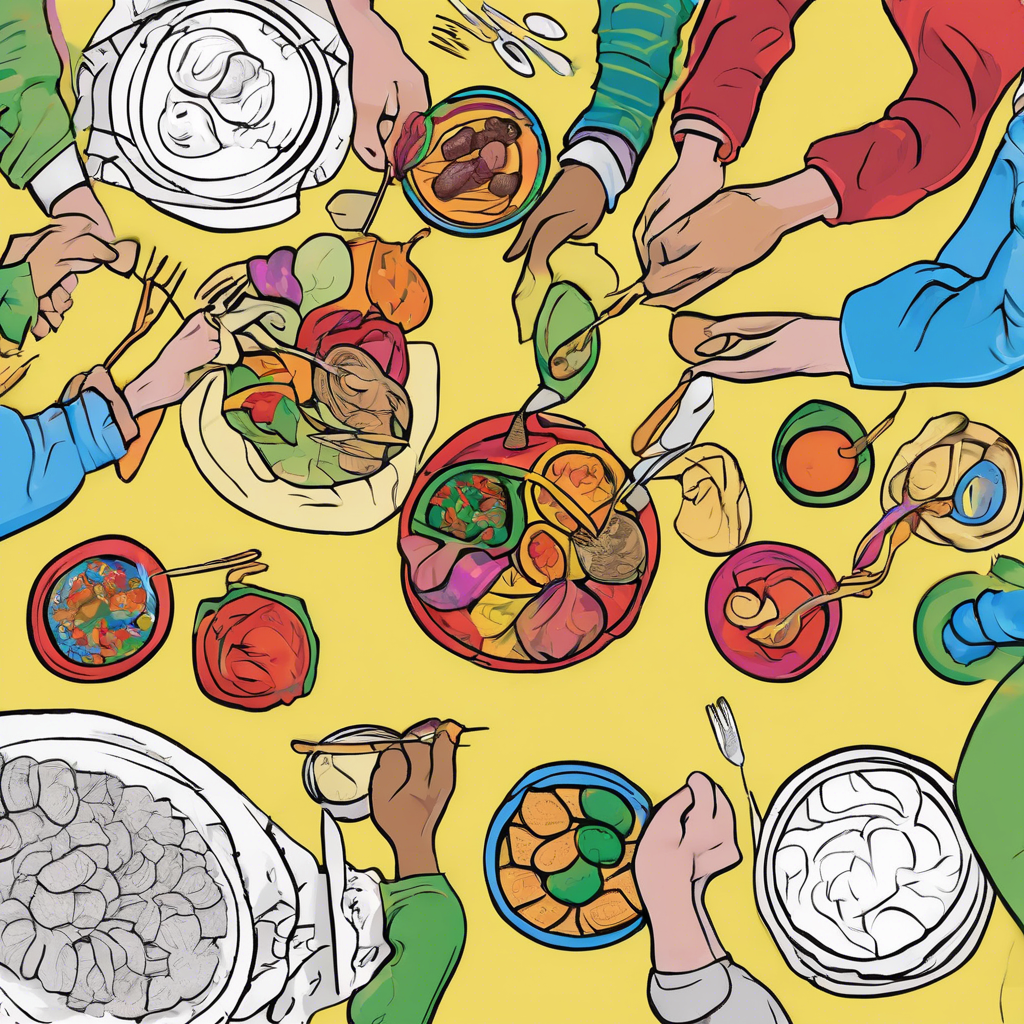
How Do Cultural Differences Influence Behaviors That Enhance Trust In Any Relationship?
Introduction
Cultural differences significantly influence the behaviors that establish trust in interpersonal relationships. Recognizing these cultural variations is crucial for effective communication and forging strong connections among individuals from various backgrounds.
Understanding Trust Across Different Cultures
The concept of trust varies widely across cultures; what fosters trust in one cultural context may not resonate in another. In collectivist cultures, trust is generally developed through group loyalty and shared communal experiences, whereas individualistic cultures often emphasize personal achievements and self-reliance as foundations of trust. By acknowledging these distinct cultural perspectives, individuals can enhance their interpersonal relationships through improved sensitivity and communication strategies.
- In collectivist societies, trust is nurtured through group harmony, long-lasting relationships, and achieving consensus.
- In individualistic cultures, trust is often derived from personal integrity, proven competence, and direct interpersonal experiences.
Key Behaviors that Promote Trust
Cultural backgrounds shape specific behaviors that strengthen trust in relationships. These behaviors encompass communication styles, non-verbal cues, and methods of relationship building. For instance, maintaining eye contact may be viewed as a sign of honesty and engagement in some cultures, while in others, it can be deemed disrespectful or overly confrontational. Understanding these cultural subtleties facilitates smoother interactions and enhances trust, while reducing the risks of miscommunication and conflict.
- Active listening demonstrates respect and fosters open dialogue across different cultural contexts.
- Consistency in actions and reliability are universally appreciated traits that enhance trust.
- Sharing personal stories can form connections, though the extent and manner of sharing can vary greatly among cultures.
Conclusion
In summary, cultural differences play a critical role in shaping the behaviors that reinforce trust in relationships. By recognizing these cultural influences and adjusting our communication styles accordingly, we can cultivate stronger, more trusting relationships. Embracing cultural diversity in our interactions ultimately leads to richer connections founded on mutual respect and understanding.
Expert Quote
Geert Hofstede, Cultural Psychologist
Cultures differ in their values, which leads to distinct perceptions of trust and the behaviors that foster it. Understanding these cultural dimensions can significantly improve interpersonal relationships across diverse backgrounds.
Cultures and Organizations: Software of the Mind, 2010
Relevant Links
Chapter 27., Section 2. Building Relationships with People from ...
https://ctb.ku.edu/en/table-of-contents/culture/cultural-competence/building-relationships/mainStandards and Indicators for Cultural Competence in Social Work ...
https://www.socialworkers.org/Practice/NASW-Practice-Standards-Guidelines/Standards-and-Indicators-for-Cultural-Competence-in-Social-Work-PracticeCollaboration in Culturally Responsive Therapy: Establishing A ...
https://pmc.ncbi.nlm.nih.gov/articles/PMC3641707/How to Improve Cultural Competence in Health Care
https://publichealth.tulane.edu/blog/cultural-competence-in-health-care/Page 3: Cultural Influences on Behavior
https://iris.peabody.vanderbilt.edu/module/beh1/cresource/q1/p03/YouTube Videos
Most popular questions

How Do The Personal Relationships Among Gods Affect Their Decisions In The Iliad?
The intricate relationships among the gods in Homer's epic poem 'The Iliad' play a crucial role in shaping their actions and decisions. These divine interactions create a complex web of fates, where each god's personal alliances and rivalries directly influence the events of the mortal world.

What Strategies Can Parents Use To Educate Their Children About Online Safety Beyond Privacy Settings?
In today's digital landscape, teaching children about online safety is essential for their protection and well-being. While privacy settings play a critical role, parents can implement various strategies to create a thorough understanding of online safety principles among their children.
What Are The Different Types Of Insulation Materials Commonly Used In Buildings, And How Do They Compare In Terms Of Thermal Resistance?
Insulation materials are vital for enhancing energy efficiency in residential and commercial buildings by minimizing heat transfer. Understanding the various insulation types can lead to better choices for thermal resistance and overall comfort.
Most recent questions
How Can Local Influencers Adapt Their Strategies Based On The Audience Demographics Of Each Platform?
Local influencers play a crucial role in bridging the gap between brands and their communities. To maximize their outreach and brand collaborations, influencers must adapt their strategies based on audience demographics across various social media platforms. Each platform attracts a distinct user base, making it essential to tailor content effectively for these audiences to boost engagement and effectiveness.
How Do Cultural Differences Influence Personal Space Preferences In Both Indoor And Outdoor Social Events?
Understanding personal space preferences is essential as they are greatly influenced by cultural backgrounds. These space preferences can significantly impact social interactions in various settings, both indoors and outdoors, making cultural awareness vital for effective communication.
How Do Changes In Social Media Algorithms Affect The Visibility Of Fan Fiction Narratives?
Social media algorithms significantly influence the visibility of content shared online. For fan fiction writers and readers, ongoing changes in these algorithms can substantially affect how narratives are accessed and appreciated. Understanding these algorithmic fluctuations empowers creators to navigate the digital environment more effectively and maximize their audience reach.