How Do Cultural Differences Influence Perceptions Of Therapy Settings, Such As Preferring Home-based Therapies Over Hospital Treatments?
Introduction
Cultural differences greatly influence individuals' perceptions of therapy settings. Preferences for home-based therapy over traditional hospital treatments often reflect deeper cultural values and beliefs regarding mental health and healing.
Cultural Values and Therapy Preferences
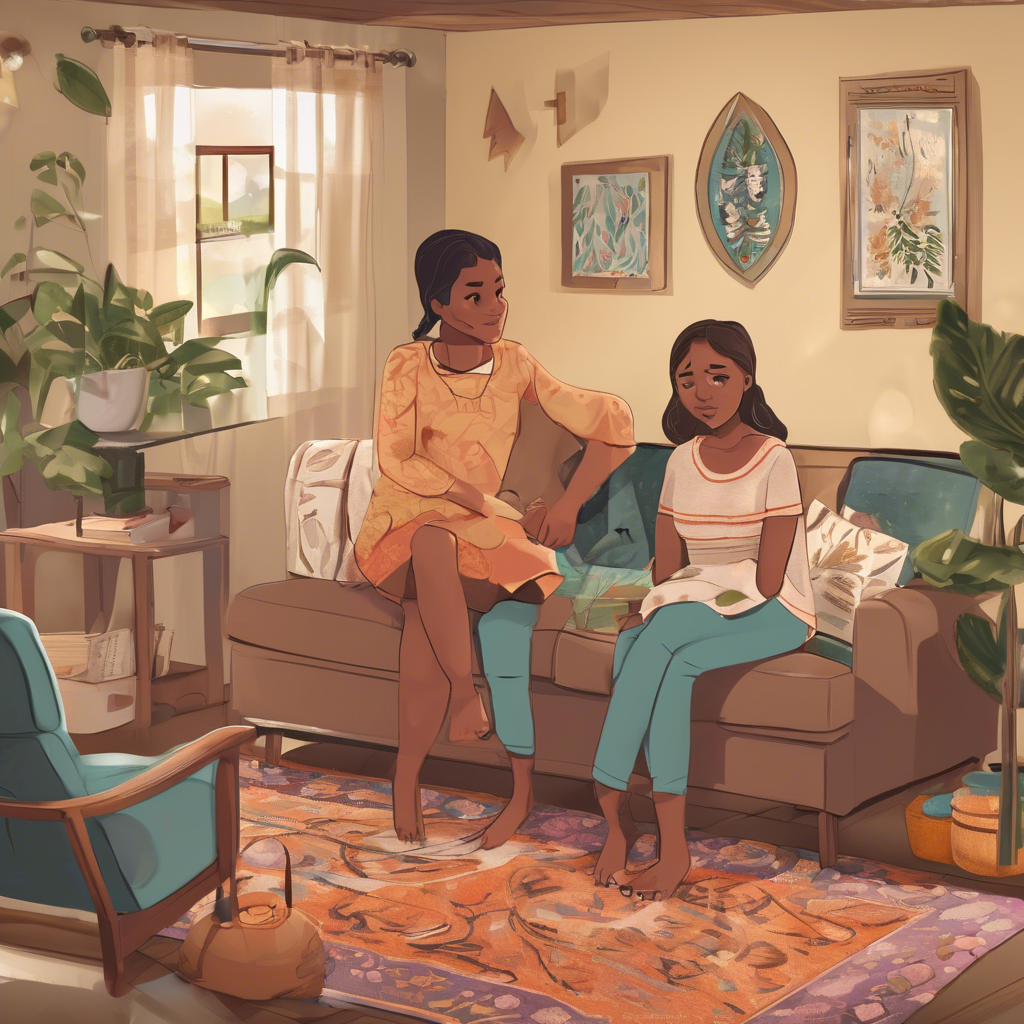
Different cultures have unique values that shape their perceptions of healthcare and therapy. For example, cultures that prioritize collectivism often emphasize family involvement in the therapeutic process, leading to a preference for home-based therapy that integrates familial support. Conversely, cultures that value individualism may favor hospital environments, where professional boundaries are more defined. Home-based therapies can be perceived as less intimidating and more accessible, particularly in cultures that value community engagement and familial ties. Such settings positively influence a person's willingness to participate and share openly in therapy, resulting in improved mental health outcomes where they feel comfortable and supported.
- Home-based therapy offers a familiar and comforting environment, helping to reduce anxiety associated with seeking mental health treatment.
- Cultural beliefs about mental health can drive individuals to prefer therapy in settings that reflect their social and cultural norms.
Hospital vs. Home-Based Therapy
The decision between hospital treatments and home-based therapies often depends on specific cultural beliefs surrounding health, illness, and family dynamics. Hospitals may be viewed as sterile and impersonal, while home environments evoke feelings of safety, warmth, and personal connection. In cultures where there is stigma surrounding mental health, individuals may avoid hospital visits and prefer the privacy and comfort of their homes. Mental health providers can enhance service delivery and build client trust by adapting their approaches to align with cultural contexts, thereby increasing the likelihood of effective engagement in the therapeutic process.
- Hospital settings offer more resources and immediate support, but they may also feel intimidating for first-time patients seeking treatment.
- Home-based therapy fosters family involvement, enhancing treatment effectiveness in many cultural contexts.
Conclusion
Recognizing the impact of cultural differences on therapy preferences is essential for mental health practitioners. By understanding these cultural nuances, therapists can tailor their approaches to better meet the specific needs of individuals, creating a more inclusive and effective therapeutic environment.
Expert Quote
Dr. David Sue, Professor of Psychology at Portland State University
Cultural factors significantly shape how individuals perceive mental health services and can influence their willingness to engage in treatment. For many, receiving therapy in familiar and comfortable environments, such as their homes, aligns better with their cultural values and support systems.
Cultural Diversity in People’s Perception of Mental Health Services, Journal of Counseling Psychology, 2016
Relevant Links
The Importance of Cultural Competence in Pain and Palliative Care ...
https://www.ncbi.nlm.nih.gov/books/NBK493154/Cultural Framing and the Impact On Acute Pain and Pain Services ...
https://pmc.ncbi.nlm.nih.gov/articles/PMC10462520/Chapter 2 Culture Counts: The Influence of Culture and Society on ...
https://www.ncbi.nlm.nih.gov/books/NBK44249/How do cultural factors influence the provision of end-of-life care? A ...
https://www.sciencedirect.com/science/article/pii/S089718972300054XCollaboration in Culturally Responsive Therapy: Establishing A ...
https://pmc.ncbi.nlm.nih.gov/articles/PMC3641707/YouTube Videos
Most popular questions

How Do The Personal Relationships Among Gods Affect Their Decisions In The Iliad?
The intricate relationships among the gods in Homer's epic poem 'The Iliad' play a crucial role in shaping their actions and decisions. These divine interactions create a complex web of fates, where each god's personal alliances and rivalries directly influence the events of the mortal world.

What Strategies Can Parents Use To Educate Their Children About Online Safety Beyond Privacy Settings?
In today's digital landscape, teaching children about online safety is essential for their protection and well-being. While privacy settings play a critical role, parents can implement various strategies to create a thorough understanding of online safety principles among their children.
What Are The Different Types Of Insulation Materials Commonly Used In Buildings, And How Do They Compare In Terms Of Thermal Resistance?
Insulation materials are vital for enhancing energy efficiency in residential and commercial buildings by minimizing heat transfer. Understanding the various insulation types can lead to better choices for thermal resistance and overall comfort.
Most recent questions
In What Ways Do Gaming Communities Justify Their Modifications To Existing Games?
Gaming communities frequently engage in modding, a process that involves modifying existing video games to improve the gaming experience, unleash creativity, or rectify perceived issues. This widespread practice is particularly prevalent on PC gaming platforms due to their open architecture and extensive modding support, enabling players to tailor games to their liking.
In What Ways Do Streaming Platforms Impact The Marketing And Audience Reach Of Emerging African Filmmakers?
Streaming platforms have dramatically transformed content consumption and distribution, particularly for emerging African filmmakers. This shift presents unique marketing opportunities and challenges in reaching diverse audiences. This FAQ explores the influence of streaming services on the filmmaking landscape in Africa.
How Do Authors Of Original Narratives Use Cultural Context To Inform Their Character Arcs In Ways That Fan Fiction Writers Might Not?
Original narrative authors skillfully integrate rich cultural contexts into their character arcs, creating multifaceted meaning and character development that deeply resonate with readers. Unlike fan fiction creators, who often expand on existing narratives, original authors have the distinct opportunity to shape their characters within unique cultural frameworks, leading to richer storytelling.