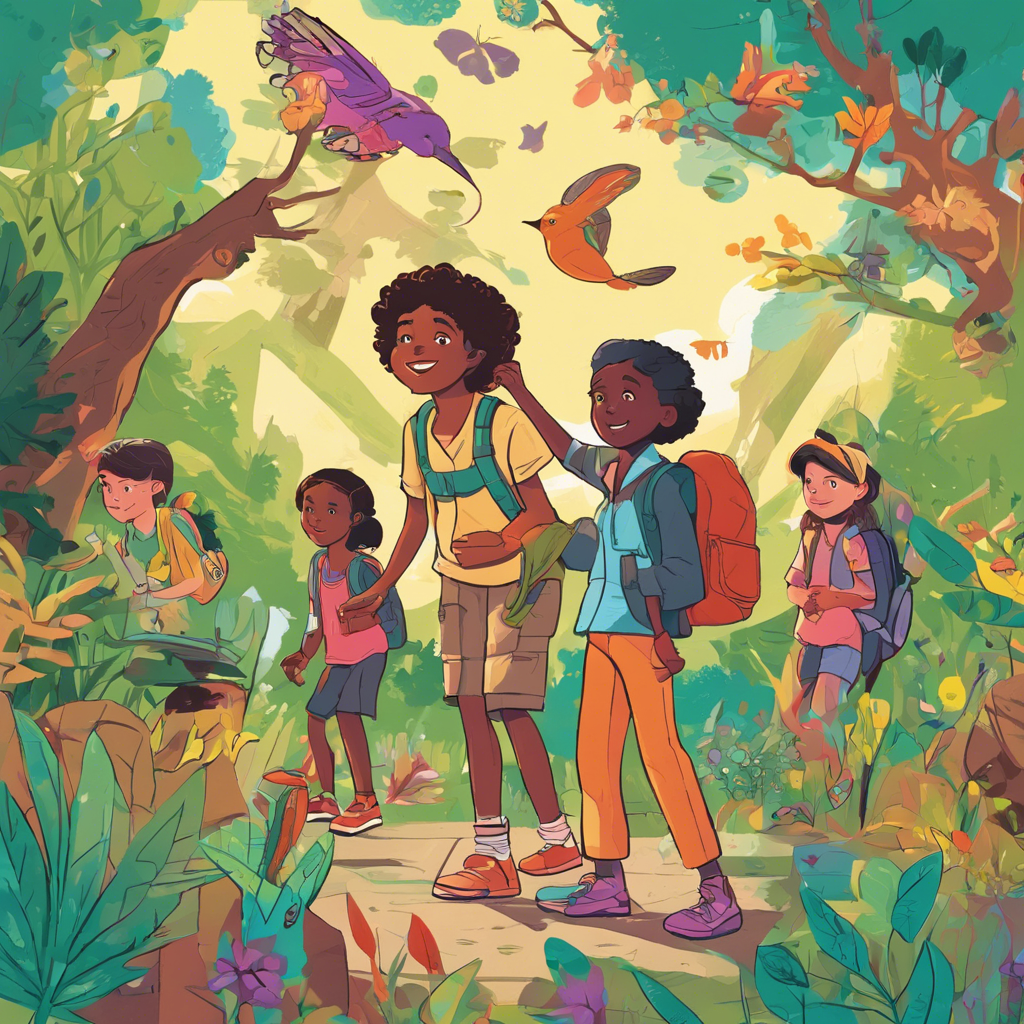
How Do Different Age Groups Respond To Various Types Of Outdoor Educational Activities?
Introduction
Understanding the interactions of various age groups with outdoor educational activities is vital for educators, parents, and program developers. This knowledge facilitates the creation of effective outdoor learning programs tailored to meet the diverse needs and interests of children, teenagers, and adults.
Age Group Responses to Outdoor Learning
Different age groups engage with outdoor educational activities in distinctive manners, driven by their developmental stages and preferences. Younger children often interact through playful exploration, teens typically seek thrilling experiences and social connections, whereas adults may concentrate on skill acquisition, relaxation, or community engagement. Customizing outdoor activities to these specific age-related interests significantly enhances learning experiences and overall enjoyment.
- Children aged 5 to 12 excel in playful and hands-on outdoor activities like nature scavenger hunts and interactive sensory games.
- Teenagers aged 13 to 19 are drawn to team-building challenges and adventure activities such as rock climbing, survival skills training, and environmental stewardship projects that promote social responsibility.
- Adults aged 20 and older often prefer workshops focusing on personal development or community involvement, such as birdwatching, gardening, or mindfulness exercises in nature, alongside opportunities for social interaction.
Key Factors Influencing Responses by Age Group
Various elements can affect how different age groups respond to outdoor educational activities. These elements include cognitive development, social interactions, and participants' physical capabilities. Understanding these factors is key to designing engaging outdoor experiences optimized for each age group.
- Cognitive development: Younger children thrive on sensory-rich experiences to fuel curiosity, while older youths and adults favor intellectually stimulating and complex tasks that promote critical thinking and problem-solving abilities.
- Social interactions: Teenagers are greatly influenced by peer dynamics, making collaborative and team-based activities more appealing, whereas adults may seek individual pursuits or smaller social gatherings within larger contexts.
- Physical capabilities: Outdoor activities should be crafted to match the physical strengths and stamina of different age groups to ensure safety, accessibility, and suitable challenges.
Conclusion
In conclusion, understanding the diverse responses of various age groups to outdoor educational activities is essential for establishing an engaging and inclusive learning environment. By recognizing developmental stages and individual interests, outdoor programs can effectively engage participants and inspire a lifelong love for learning in nature.
Expert Quote
Dr. David Sobel, Director of the Center for Place-Based Education
Outdoor education fosters a connection to the natural world, nurturing children's curiosity and exploratory instincts, which vary significantly with age and developmental stages.
Sobel, D. (2018). "Nature Preschools and Forest Kindergartens: The Handbook for Outdoor Learning." Redleaf Press.
Relevant Links
The Environment: Schedules and Routines | Virtual Lab School
https://www.virtuallabschool.org/preschool/learning-environments/lesson-5Ages and Stages of Development - California Department of Education
https://www.cde.ca.gov/sp/cd/re/caqdevelopment.aspRespect Lesson and Activities - The Responsive Counselor
https://theresponsivecounselor.com/2020/01/respect-lesson-and-activities.htmlHow to Modify the Experiential Learning Process for Any Age Group
https://www.experientiallearningdepot.com/experiential-learning-blog/adapting-the-experiential-learning-process-for-all-agesIcebreakers that Rock | Cult of Pedagogy
https://www.cultofpedagogy.com/classroom-icebreakers/YouTube Videos
Most popular questions

How Do The Personal Relationships Among Gods Affect Their Decisions In The Iliad?
The intricate relationships among the gods in Homer's epic poem 'The Iliad' play a crucial role in shaping their actions and decisions. These divine interactions create a complex web of fates, where each god's personal alliances and rivalries directly influence the events of the mortal world.

What Strategies Can Parents Use To Educate Their Children About Online Safety Beyond Privacy Settings?
In today's digital landscape, teaching children about online safety is essential for their protection and well-being. While privacy settings play a critical role, parents can implement various strategies to create a thorough understanding of online safety principles among their children.
What Are The Different Types Of Insulation Materials Commonly Used In Buildings, And How Do They Compare In Terms Of Thermal Resistance?
Insulation materials are vital for enhancing energy efficiency in residential and commercial buildings by minimizing heat transfer. Understanding the various insulation types can lead to better choices for thermal resistance and overall comfort.
Most recent questions
What Are The Psychological Effects Of Scoring Systems In Competitive Games Like Poker Or Bridge?
In competitive card games like Poker and Bridge, understanding scoring systems is crucial not only for determining winners but also for influencing players' psychological dynamics. By grasping these effects, participants can enhance their gameplay and overall experience in these strategic card games.
What Role Do Influencers On Social Media Play In Shaping Musical Taste Among Urban Youth?
In today's digital age, social media influencers have become essential in shaping the musical tastes of urban youth. With millions of followers across platforms like Instagram, TikTok, and YouTube, these influential figures possess considerable power in introducing new artists, emerging genres, and captivating trends. Understanding the intricacies of their influence and its implications for music consumption is crucial.
How Does Social Media Influence Public Opinion On Environmental Issues In Different Regions?
Social media has dramatically transformed how information is shared and consumed, playing a pivotal role in shaping public opinion on pressing issues like environmental concerns. The influence of social media can vary across different regions, impacted by distinct cultural, economic, and technological factors.