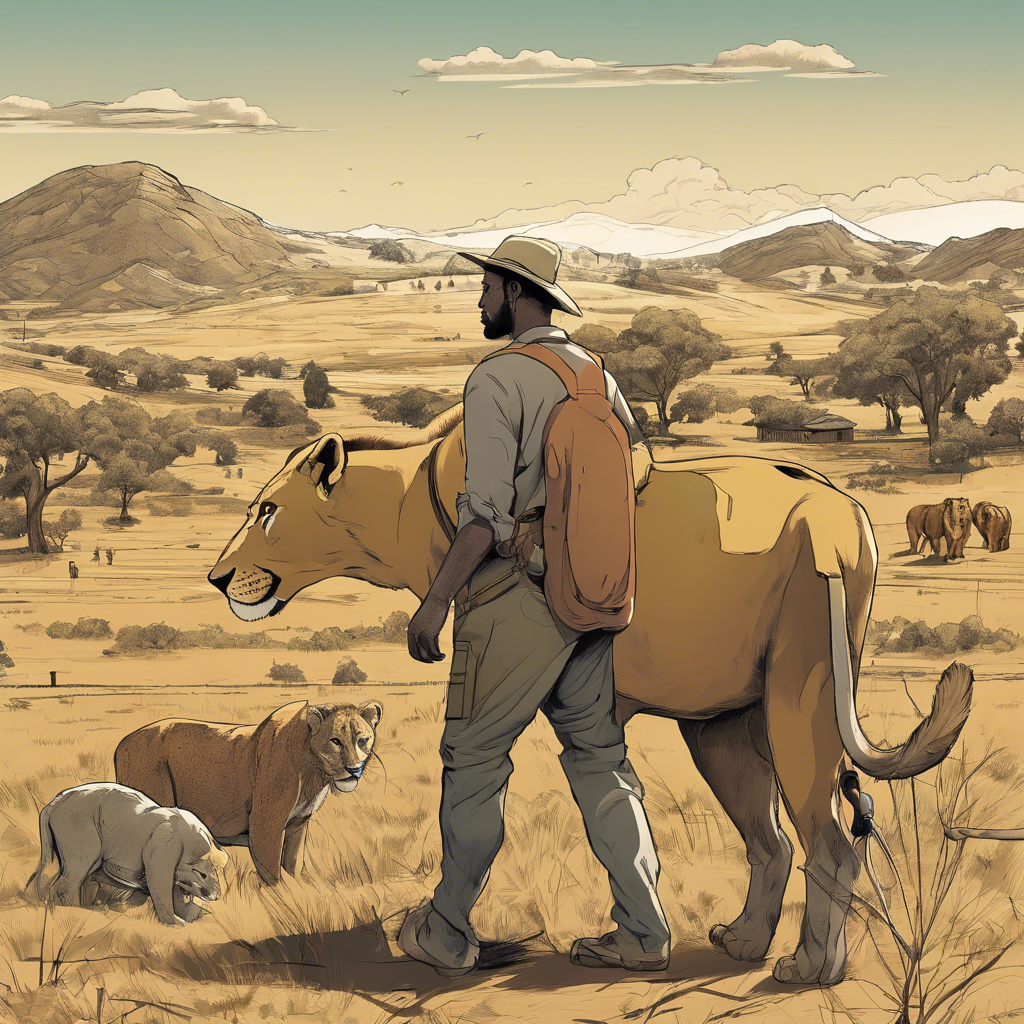
How Do Different Cultures Perceive Various Types Of Animals As Threats?
Introduction
Throughout history, diverse cultures have cultivated distinct relationships with animals, often categorizing certain species as threats due to various factors including geographical conditions, cultural myths, and personal interactions. These perceptions fluctuate considerably across different regions and cultural contexts, reflecting a rich tapestry of human-animal interactions.
Cultural Contexts and Perceived Animal Threats
Each culture interprets animal behavior and existence through a unique lens, shaped by local ecosystems, traditions, and symbolic meanings. This results in contrasting views on which animals are regarded as threats. For example, in some cultures, predatory animals like lions and wolves are seen as dangers due to their hunting instincts, while in other contexts, these same creatures may be venerated as symbols of power or majesty. Additionally, some societies might harbor fears towards animals typically considered harmless due to historical negative encounters or cultural folklore.
- In rural communities, larger wildlife is often perceived as a threat to livestock, leading to negative connotations.
- In urban environments, smaller animals such as rats and pigeons are frequently viewed as pests and potential health risks.
Mythology, Symbolism, and Threat Perceptions
Mythological narratives and symbolic interpretations heavily influence societal views on animals. In numerous cultures, animals are central figures in folklore, embodying characteristics that determine their classification as threats. For instance, in Western mythology, snakes are frequently portrayed as cunning and lethal, while in many Indigenous cultures, they symbolize transformation and healing, showcasing the diverse perspectives that exist. Moreover, many cultures regard certain animals as omens, adding complexity to their categorization as threats or guardians.
- In Western folklore, the fox is depicted as intelligent and cunning, often presenting dangers through its slyness.
- In various Eastern traditions, dragons are honored and signify power and success rather than being perceived as threats.
Environmental Interactions and Animal Threats
The relationship between a culture and its environment significantly influences its view of animals as threats. For instance, in coastal regions, sea creatures like sharks may evoke fear due to their dangerous associations, while communities dependent on fishing may possess a more nuanced understanding of these creatures. This environmental interaction shapes a culture's conservation priorities, which may drive efforts to protect particular species that fulfill critical ecological roles.
- Desert ecosystems host creatures such as snakes and scorpions, which are often viewed as threats due to survival challenges.
- In forested areas, bears and large predators can be perceived as dangers, raising concerns about human safety.
Conclusion
Gaining insight into how various cultures perceive animals as threats provides a deeper understanding of the intricate dynamics between human beliefs, environmental interactions, and cultural narratives. Each perspective reveals valuable information about the relationship between society and the natural world, underscoring how perceptions can evolve based on individual experiences, cultural values, and ecological realities.
Expert Quote
Dr. Peter W. K. Phillips, Cultural Anthropologist
Cultural interpretations of animals are deeply rooted in the ecological and social environments where they reside, often dictating whether they are celebrated or feared.
Phillips, P.W.K. (2019). Understanding Animal Symbolism Across Cultures. Journal of Cultural Anthropology.
Relevant Links
What is Poaching? The Illegal Wildlife Trade Explained
https://www.worldwildlife.org/threats/illegal-wildlife-tradeGreen Turtle | NOAA Fisheries
https://www.fisheries.noaa.gov/species/green-turtleDeforestation and Forest Degradation | Threats | WWF
https://www.worldwildlife.org/threats/deforestation-and-forest-degradationHawksbill Turtle | NOAA Fisheries
https://www.fisheries.noaa.gov/species/hawksbill-turtleIUCN Red List of Threatened Species
https://www.iucnredlist.org/resources/summary-statisticsYouTube Videos
Most popular questions

How Do The Personal Relationships Among Gods Affect Their Decisions In The Iliad?
The intricate relationships among the gods in Homer's epic poem 'The Iliad' play a crucial role in shaping their actions and decisions. These divine interactions create a complex web of fates, where each god's personal alliances and rivalries directly influence the events of the mortal world.

What Strategies Can Parents Use To Educate Their Children About Online Safety Beyond Privacy Settings?
In today's digital landscape, teaching children about online safety is essential for their protection and well-being. While privacy settings play a critical role, parents can implement various strategies to create a thorough understanding of online safety principles among their children.
What Are The Different Types Of Insulation Materials Commonly Used In Buildings, And How Do They Compare In Terms Of Thermal Resistance?
Insulation materials are vital for enhancing energy efficiency in residential and commercial buildings by minimizing heat transfer. Understanding the various insulation types can lead to better choices for thermal resistance and overall comfort.
Most recent questions
What Specific Types Of User-generated Content Are Most Influential In Maintaining Player Engagement Within Gaming Communities?
User-generated content (UGC) is vital for boosting player engagement in gaming communities. It includes various creative expressions from players that significantly enhance the gaming experience while cultivating a dynamic community atmosphere.
What Are Some Unique Themes For A Cocktail Party That Can Enhance Guest Experience?
Cocktail parties are an enjoyable way to connect with friends and family, and selecting the perfect theme can tremendously elevate the guest experience. A captivating theme not only sets the ambiance but also sparks creativity in drink selection, decorations, and entertainment options. Explore these exciting cocktail party themes for your next event to captivate your guests and make lasting memories.
What Role Does Live Music Play In Enhancing The Dining Experience At Food Festivals?
Live music plays an essential role in enhancing the dining experience at food festivals by creating an immersive atmosphere that beautifully complements the culinary delights available. It transforms a simple meal into a comprehensive sensory adventure, elevating the overall festival experience.