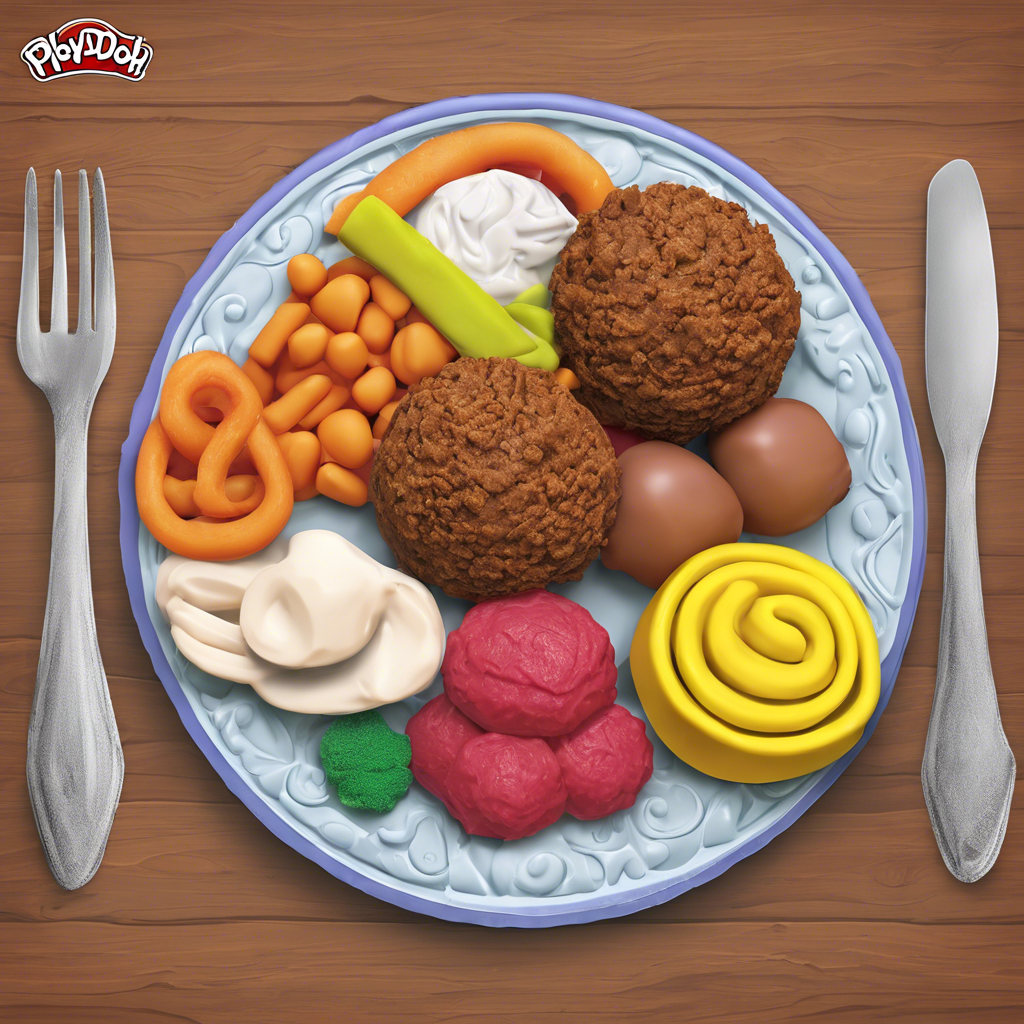
How Do Different Shapes And Textures Of Food Impact Emotional Responses In Food Styling?
Introduction
Food styling is not merely about aesthetics; it is an essential aspect of culinary art that significantly influences our emotional reactions and sensory experiences associated with the dishes we enjoy. The shapes and textures of food can profoundly affect our emotional states, altering perceptions and appetites in meaningful ways.
The Psychological Impact of Food Shapes on Emotional Response
The shape of food plays a vital role in evoking specific psychological reactions. Round shapes typically evoke feelings of comfort and warmth, reminiscent of a cozy embrace. In contrast, angular shapes convey modernity and excitement, frequently featured in contemporary culinary presentations. Moreover, studies indicate that the geometric presentation of food can affect flavor perception, with angular foods associated with sharper, more intense flavors, while round foods suggest smoother, softer tastes. Research has shown that the visual perception of food shapes subtly influences eating behavior, potentially altering consumption rates based solely on presentation.
- Round foods, such as balls or scoops, evoke feelings of warmth and nostalgia.
- Angular presentations can generate perceptions of modernity and creativity.
- Different food shapes can attract diverse audiences, enhancing theme coherence.
The Role of Texture in Food Styling and Emotional Experience
Texture is a crucial element in food styling that affects how we perceive flavors and aromas. The tactile qualities of food can either enhance pleasure or induce discomfort, directly impacting emotional responses. For instance, crispy textures can create excitement, drawing attention with their delightful crunch, while creamy textures invoke feelings of richness and indulgence. The visual presentation of textures not only enhances appetite but also stimulates eagerness to taste. Notably, texture has been shown to modulate flavor perception, as different textures can either enhance or diminish specific flavor profiles in a dish.
- Crispy textures build excitement and anticipation during meals.
- Soft and creamy textures foster comfort and a sense of indulgence.
- Contrasting textures, such as crunchy toppings over creamy bases, create layers of flavor complexity.
Enhancing Emotional Appeal by Combining Shapes and Textures
Skillfully combining shapes and textures can significantly amplify emotional responses towards food. A visually appealing plate that balances silky, textured sauces with structured geometric garnishes offers a feast for the senses. The harmonious interplay of shapes and textures not only captivates the eye but also heightens the palate's readiness, making the dining experience more pleasurable and memorable. Effective food styling tells a story through visual presentation, capturing diners' interest and enriching their overall engagement with the meal.
- Blending smooth sauces with chunky garnishes enhances visual depth.
- Contrasting colors paired with various textures amplify vibrancy and intrigue.
- Narratives woven through shape and texture elevate the dining experience.
Conclusion
In conclusion, the shapes and textures of food play a vital role in shaping our emotional responses and experiences during meals. Recognizing this impact empowers chefs and food stylists to create dishes that not only satisfy culinary cravings but also resonate emotionally with diners, ultimately enhancing the overall dining experience.
Expert Quote
Dr. Charles Spence, Professor of Experimental Psychology at the University of Oxford
The way food looks—its shape, color, and arrangement—can profoundly influence our taste experience and emotional responses. Different textures can evoke various emotional states that enhance the overall dining experience.
Book: 'Gastrophysics: The New Science of Eating', 2017
Relevant Links
The effect of food shape on children's implicit and explicit emotional ...
https://www.sciencedirect.com/science/article/pii/S0950329323001155Visual Design Cues Impacting Food Choice: A Review and Future ...
https://pmc.ncbi.nlm.nih.gov/articles/PMC7589873/Why Do I Have Food Texture Issues?
https://www.today.com/food/essay/food-texture-issues-rcna41213WISDOM THROUGH FOODSTYLING: THE HISTORICAL JOURNEY ...
https://www.linkedin.com/pulse/wisdom-through-styling-historical-journey-impacts-us-all-payal-guptaCROCUFID: A Cross-Cultural Food Image Database for ... - Frontiers
https://www.frontiersin.org/journals/psychology/articles/10.3389/fpsyg.2019.00058/fullYouTube Videos
Most popular questions

How Do The Personal Relationships Among Gods Affect Their Decisions In The Iliad?
The intricate relationships among the gods in Homer's epic poem 'The Iliad' play a crucial role in shaping their actions and decisions. These divine interactions create a complex web of fates, where each god's personal alliances and rivalries directly influence the events of the mortal world.

What Strategies Can Parents Use To Educate Their Children About Online Safety Beyond Privacy Settings?
In today's digital landscape, teaching children about online safety is essential for their protection and well-being. While privacy settings play a critical role, parents can implement various strategies to create a thorough understanding of online safety principles among their children.
What Are The Different Types Of Insulation Materials Commonly Used In Buildings, And How Do They Compare In Terms Of Thermal Resistance?
Insulation materials are vital for enhancing energy efficiency in residential and commercial buildings by minimizing heat transfer. Understanding the various insulation types can lead to better choices for thermal resistance and overall comfort.
Most recent questions
What Is The Process For Obtaining A Public Performance License For A Concert?
Obtaining a public performance license for concerts is essential for musicians and event organizers to ensure legal compliance when performing copyrighted music. This licensing process protects the rights of songwriters and copyright owners while enabling artists to legally showcase their music and receive fair compensation for their performances.
What Impact Have Streaming Services Had On The Financial Success Of Artists Compared To Traditional Album Sales?
The emergence of leading streaming services such as Spotify, Apple Music, and Amazon Music has significantly transformed the music industry, reshaping how artists generate revenue compared to traditional album sales. Understanding this evolution is critical for musicians navigating the modern landscape.
What Role Does Public Opinion Play In The Adaptation Of Classic Literature Into Modern Films?
The adaptation of classic literature into modern films is a multifaceted process deeply influenced by audience perceptions and public opinion. Analyzing how these perceptions shape adaptations provides valuable insights into contemporary cultural trends and the film industry.