How Do Environmental Factors Affect The Types Of Animals That Societies Choose To Domesticate?
Introduction
Understanding the impact of environmental factors on animal domestication is essential for grasping both historical domestication patterns and modern agricultural practices. Various ecosystems create distinct opportunities and constraints that shape the types of animals societies decide to domesticate, such as livestock and companion animals.
Geographic and Climatic Influences on Domestication
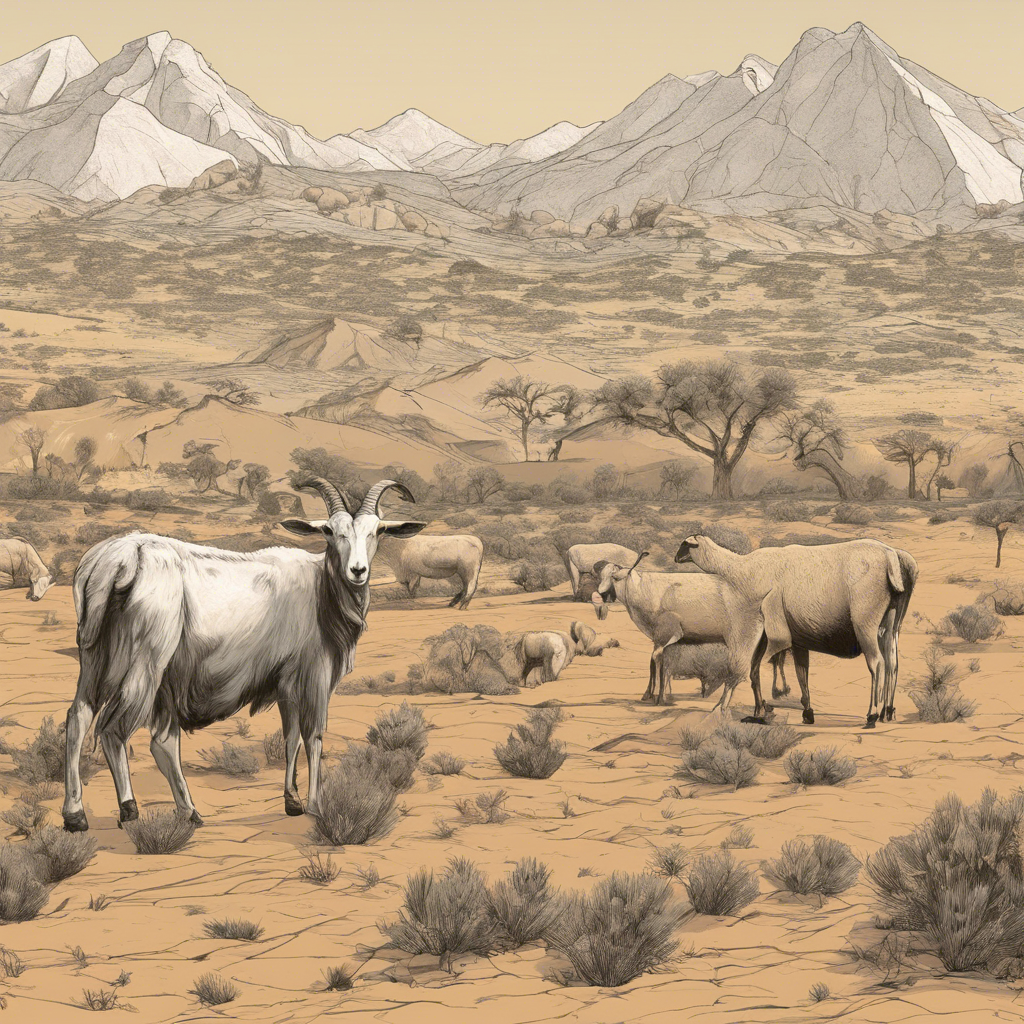
Geography and climate are critical determinants of which animals are suitable for domestication. Specific climatic conditions favor particular species due to their adaptability and resource availability. For example, mountainous regions support the domestication of goats and sheep due to their hardiness, while fertile plains are ideal for cattle ranching, showcasing how geography directly influences livestock selection.
- Temperature impacts species survival and reproduction, affecting domestication choices.
- Availability of freshwater resources determines a society's capacity to manage livestock sustainably.
- Types of vegetation directly influence the feed available for livestock, guiding domestication decisions.
Animal Behavior and Ecological Systems
The innate behavior and social dynamics of animals greatly influence their domestication potential. Certain species demonstrate a greater adaptability to human presence, which is vital for successful domestication. For instance, dogs, as social pack animals, thrive in environments that mimic human social structures, making them prime candidates for companionship and utility.
- Species that reproduce readily in captivity are more likely to become domesticated.
- Animals that display a tolerance for humans are preferred in domestication initiatives.
- Creatures with established social hierarchies can be managed and trained more efficiently.
Cultural and Economic Influences on Animal Domestication
Cultural practices and economic imperatives significantly shape animal domestication beyond environmental factors. Societal dietary preferences, labor needs, and cultural significance drive the selection of domesticated animals. For instance, certain cultures may prioritize pigs for their meat production, while others rely on camels for transportation in arid landscapes, reflecting diverse economic models.
- Dietary requirements dictate the choice of animals for meat, dairy, or companionship.
- Economic motivations lead to the domestication of animals that enhance labor efficiency, such as oxen and horses.
- Cultural influences dictate preferences in domestication practices, resulting in unique agricultural systems across societies.
Conclusion
In conclusion, the process of animal domestication is influenced by a variety of interrelated factors, including geography, climate, animal behavior, and cultural conditions. Understanding these dynamics illuminates the complex patterns of domestication observed across different regions and informs future agricultural development strategies.
Expert Quote
Dr. David E. MacDonald, Biologist and Animal Behavior Researcher
The choice of which animals to domesticate is heavily influenced by local environmental conditions, as these determine not only the species that can thrive but also the ecological relationships that can be established between humans and animals.
Ecological Dynamics and Animal Domestication: Opportunities and Challenges, Journal of Animal Ecology, 2022
Relevant Links
Opinion Our Wild Companions: Domestic cats in the Anthropocene
https://www.sciencedirect.com/science/article/pii/S0169534720300100Measuring Animal Preferences and Choice Behavior | Learn ...
https://www.nature.com/scitable/knowledge/library/measuring-animal-preferences-and-choice-behavior-23590718/Domestic cats and their impacts on biodiversity: A blind spot in the ...
https://besjournals.onlinelibrary.wiley.com/doi/10.1002/pan3.10073Evolution, consequences and future of plant and animal domestication
https://www.nature.com/articles/nature01019The Domestication Makeup: Evolution, Survival, and ... - Frontiers
https://www.frontiersin.org/journals/ecology-and-evolution/articles/10.3389/fevo.2020.00103/fullYouTube Videos
Most popular questions

How Do The Personal Relationships Among Gods Affect Their Decisions In The Iliad?
The intricate relationships among the gods in Homer's epic poem 'The Iliad' play a crucial role in shaping their actions and decisions. These divine interactions create a complex web of fates, where each god's personal alliances and rivalries directly influence the events of the mortal world.

What Strategies Can Parents Use To Educate Their Children About Online Safety Beyond Privacy Settings?
In today's digital landscape, teaching children about online safety is essential for their protection and well-being. While privacy settings play a critical role, parents can implement various strategies to create a thorough understanding of online safety principles among their children.
What Are The Different Types Of Insulation Materials Commonly Used In Buildings, And How Do They Compare In Terms Of Thermal Resistance?
Insulation materials are vital for enhancing energy efficiency in residential and commercial buildings by minimizing heat transfer. Understanding the various insulation types can lead to better choices for thermal resistance and overall comfort.
Most recent questions
How Do Cognitive Biases Influence Betting Strategies In Poker And Blackjack?
Cognitive biases significantly influence the decisions of poker and blackjack players, often resulting in poor choices. By understanding these biases, players can gain a competitive edge by identifying and counteracting their effects on decision-making and betting strategies.
How Does Social Media Influence Public Opinion On Environmental Issues In Different Regions?
Social media has dramatically transformed how information is shared and consumed, playing a pivotal role in shaping public opinion on pressing issues like environmental concerns. The influence of social media can vary across different regions, impacted by distinct cultural, economic, and technological factors.
What Are Some Vegetarian Side Dishes That Complement Grilled Meats And Wine?
Pairing flavorful vegetarian side dishes with grilled meats and fine wine heightens the overall dining experience while creating a balanced and delicious meal. Whether you're hosting a summer barbecue or enjoying a cozy dinner at home, these vegetarian side options can significantly enhance your menu.