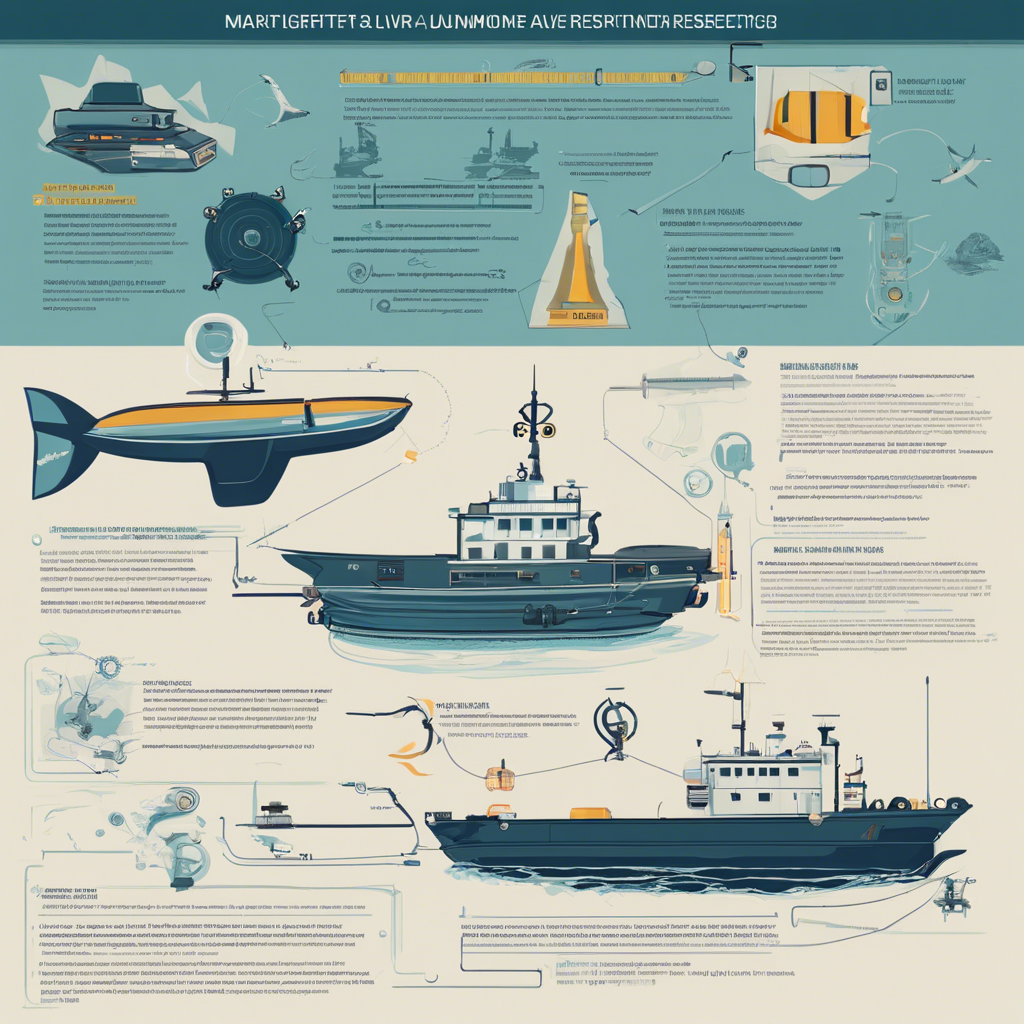
How Do Maritime Laws Apply To The Use Of Unmanned Vehicles For Research Versus Recreational Purposes?
Introduction
Maritime laws govern a vast array of activities on the water, particularly focusing on the operation of unmanned vehicles, which are employed for both scientific research and recreational fun. The implementation of these maritime laws can vary significantly based on the intended use of the vehicle and the legal jurisdiction under which they operate.
Overview of Maritime Laws
Maritime laws, primarily based on the United Nations Convention on the Law of the Sea (UNCLOS), define the rights and responsibilities of nations concerning oceanic activities. When discussing unmanned vehicles, these maritime regulations address critical aspects such as safety protocols, navigation rights, and environmental safeguards. Unmanned vehicles, frequently referred to as Autonomous Underwater Vehicles (AUVs) or Unmanned Aerial Vehicles (UAVs), are classified based on their purpose. Vehicles used for research typically focus on scientific data collection, whereas recreational models cater to leisure pursuits and often require adherence to specific local regulations.
- Research unmanned vehicles must comply with regulations, including the acquisition of permits for scientific missions as mandated by various national and international governing bodies.
- Recreational unmanned vehicles are subject to different regulations that prioritize safety, operational limitations, and environmental assessments.
Regulatory Differences for Unmanned Vehicles
The regulatory landscape for unmanned vehicles varies significantly, with maritime laws clearly differentiating between research and recreational usages. Research-focused vehicles may require special licenses and permits, as well as adherence to environmental guidelines. Conversely, recreational vehicles must follow local boating laws, which can differ dramatically from one region to another. This regulatory distinction mirrors the differing rules applied to commercial fishing vessels versus private leisure boats, considering their unique operational objectives and effects on marine ecosystems.
- Research vehicles typically register with scientific organizations or relevant governmental agencies to ensure adherence to both international and local research standards, including environmental protections.
- Recreational vehicles must comply with local maritime regulations that encompass valid registration, safety equipment requirements, and enforced operational limits by local authorities.
Conclusion
Grasping how maritime laws pertain to unmanned vehicles based on their purpose is vital for promoting safe and lawful operations. Whether engaged in research or recreational endeavors, understanding the specific regulations applicable in your locale is essential to prevent legal issues and to preserve marine environments.
Expert Quote
Dr. John D. White, Maritime Law Expert and Professor at the University of Southampton
The increasing use of unmanned vehicles in maritime research and leisure activities necessitates a clear understanding of the legal framework established by international law, particularly the UNCLOS, to ensure that marine activities are conducted safely and sustainably.
Article in the Journal of Maritime Law, Vol. 45, Issue 2, 2022
Relevant Links
Permitting for Scientific Research Using Small Unmanned Aircraft ...
https://www.fisheries.noaa.gov/national/marine-life-viewing-guidelines/permitting-scientific-research-using-small-unmannedUnmanned Aircraft Systems (UAS) | Federal Aviation Administration
https://www.faa.gov/uasUNCLOS: the law of the sea in the 21st century
https://committees.parliament.uk/publications/9005/documents/159002/default/Laws & Policies - Glen Canyon National Recreation Area (U.S. ...
https://www.nps.gov/glca/learn/management/lawsandpolicies.htmYouTube Videos
Most popular questions

How Do The Personal Relationships Among Gods Affect Their Decisions In The Iliad?
The intricate relationships among the gods in Homer's epic poem 'The Iliad' play a crucial role in shaping their actions and decisions. These divine interactions create a complex web of fates, where each god's personal alliances and rivalries directly influence the events of the mortal world.

What Strategies Can Parents Use To Educate Their Children About Online Safety Beyond Privacy Settings?
In today's digital landscape, teaching children about online safety is essential for their protection and well-being. While privacy settings play a critical role, parents can implement various strategies to create a thorough understanding of online safety principles among their children.
What Are The Different Types Of Insulation Materials Commonly Used In Buildings, And How Do They Compare In Terms Of Thermal Resistance?
Insulation materials are vital for enhancing energy efficiency in residential and commercial buildings by minimizing heat transfer. Understanding the various insulation types can lead to better choices for thermal resistance and overall comfort.
Most recent questions
What Specific Elements In Adaptations Can Enhance Or Detract From A Character's Original Arc?
Translating a character from one artistic medium to another can profoundly influence how their narrative unfolds. This transformation can either enrich or weaken the character's original storyline, depending on various factors present in the adaptation process.
How Do Algorithms Influence The Promotion Of Emerging Artists On Social Media Platforms?
In today's digital landscape, social media platforms are essential for promoting emerging artists. The algorithms that govern these platforms play a crucial role in determining content visibility, significantly impacting an artist's growth and reach. Understanding these algorithms is paramount for artists looking to succeed in a competitive environment.
What Factors Contribute To The Variation In Fan Interpretations Of Characters Across Different Cultures?
The interpretation of characters in media varies significantly across diverse cultures, influenced by a multitude of factors that reflect the unique values, beliefs, and lived experiences of each culture. Understanding how cultural differences shape these interpretations is essential in today's globalized media landscape.