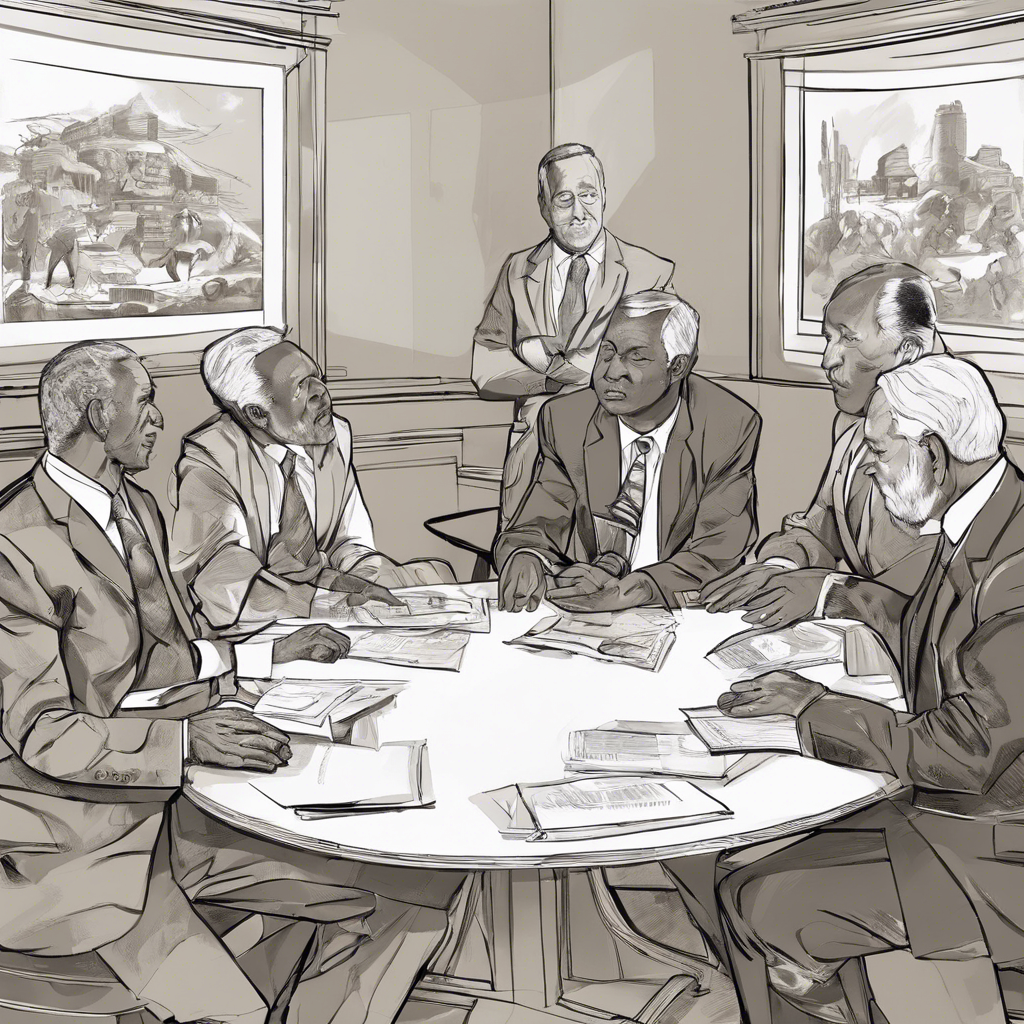
How Do Non-verbal Communication Styles Differ Across Various Cultures During Negotiations?
Introduction
Non-verbal communication is a vital component of negotiations, significantly impacting outcomes across various cultural landscapes. The interpretation of non-verbal cues varies greatly between cultures, which can result in misunderstandings or conflicts during negotiations. This analysis reveals the fundamental differences in non-verbal communication styles worldwide, emphasizing the importance of cultural awareness in negotiation scenarios.
Understanding Non-verbal Communication in Negotiations
Non-verbal communication involves numerous behaviors such as body language, gestures, eye contact, facial expressions, and proxemics (the management of personal space). Each culture possesses unique norms surrounding these behaviors, which can either facilitate or impede successful negotiations across cultural divides.
- In certain cultures, direct eye contact is perceived as a sign of confidence, while in others, it may be interpreted as disrespectful or overly confrontational, highlighting the importance of context in negotiation.
- Personal space preferences can differ widely; some cultures embrace close proximity during discussions, while others maintain a greater distance, impacting negotiators' comfort levels and overall interaction dynamics.
Culture-Specific Non-verbal Communication Styles
Various cultures manifest distinct styles of non-verbal communication within negotiation contexts. For example, Western cultures typically emphasize assertiveness and clarity, favoring direct gestures and expressions. Conversely, numerous Asian cultures may place a premium on subtlety, harmony, and indirect communication methods, leading to less overt negotiation strategies.
- In Middle Eastern cultures, expansive gestures and close physical proximity are often used to convey presence and warmth, although interpretations can significantly differ between specific countries.
- Scandinavian cultures generally adopt a reserved and minimalistic communication style, characterized by fewer hand gestures and more subdued facial expressions, which reflect a cultural inclination towards modesty in negotiations.
Common Pitfalls in Cross-Cultural Negotiations
Negotiators who overlook the cultural subtleties of non-verbal communication risk inadvertently offending their counterparts or misreading crucial signals. For instance, crossing one's arms might be construed as defensive in some cultures while indicating comfort or deep contemplation in others, depending on the context.
- Assuming that a nod signifies agreement without contextual understanding can create conflicts, as in some cultures it may only indicate recognition or comprehension rather than actual consent.
- Misinterpreting a lack of eye contact as disinterest, rather than a cultural sign of respect and deference, can derail negotiations, particularly in cultures that view sustained eye contact as a breach of etiquette.
Conclusion
Grasping the intricate nuances of non-verbal communication across diverse cultures is essential for achieving successful negotiations. Recognizing how gestures, expressions, and spatial dynamics vary in different cultural contexts can foster more effective and respectful interactions. Thoughtfully navigating these cultural differences will not only enhance negotiation outcomes but also strengthen international relationships.
Expert Quote
Dr. Geert Hofstede, Cultural Psychologist
Culture is the collective programming of the mind that distinguishes the members of one group or category of people from others. Understanding these differences in communication styles is essential for effective negotiation across cultures.
Hofstede, Geert. "Culture's Consequences: International Differences in Work-Related Values." 1980.
Relevant Links
Cross-cultural communication: Tools for working with families and ...
https://pmc.ncbi.nlm.nih.gov/articles/PMC5815116/Negotiating Across Cultures, With Mihai Isman, Ep #123
https://negotiations.ninja/podcast/negotiating-across-cultures-with-mihai-isman-ep-123/AMPU Guide: Common Cross-cultural Communication Challenges
https://www.pbs.org/ampu/crosscult.htmlCommunication Styles (Think Cultural Health)
https://thinkculturalhealth.hhs.gov/assets/pdfs/resource-library/communication-styles.pdfConducting Cross-cultural Negotiations
https://www.linkedin.com/pulse/preparing-conducting-cross-cultural-negotiations-michael-watkins-ufsjeYouTube Videos
Most popular questions

How Do The Personal Relationships Among Gods Affect Their Decisions In The Iliad?
The intricate relationships among the gods in Homer's epic poem 'The Iliad' play a crucial role in shaping their actions and decisions. These divine interactions create a complex web of fates, where each god's personal alliances and rivalries directly influence the events of the mortal world.

What Strategies Can Parents Use To Educate Their Children About Online Safety Beyond Privacy Settings?
In today's digital landscape, teaching children about online safety is essential for their protection and well-being. While privacy settings play a critical role, parents can implement various strategies to create a thorough understanding of online safety principles among their children.
What Are The Different Types Of Insulation Materials Commonly Used In Buildings, And How Do They Compare In Terms Of Thermal Resistance?
Insulation materials are vital for enhancing energy efficiency in residential and commercial buildings by minimizing heat transfer. Understanding the various insulation types can lead to better choices for thermal resistance and overall comfort.
Most recent questions
How Do Viewer Demographics Influence The Selection Of Themes And Narratives In Television Series?
Viewer demographics are essential in shaping the themes and narratives of television series. By analyzing the audience’s age, gender, cultural background, and viewing preferences, producers can significantly enhance the storytelling strategy of a show and improve its overall appeal.
What Role Do Other Elements Like Decor And Lighting Play In Creating The Overall Ambiance Of An Italian Restaurant Alongside Music?
Creating the ideal atmosphere in an Italian restaurant requires a harmonious blend of essential elements such as decor, lighting, and music. Each of these factors plays a significant role in shaping the overall dining experience, inviting guests to relax and savor their meals in a delightful Italian setting.
What Are Some Examples Of Artworks That Incorporate Audience Participation, And How Do They Differ From Traditional Art Forms?
Art has undergone a remarkable evolution over the years, with audience participation emerging as a dynamic and essential component of contemporary art. This transformation contrasts with traditional art forms, which typically present a fixed array of artistic expressions requiring little to no active engagement from viewers.