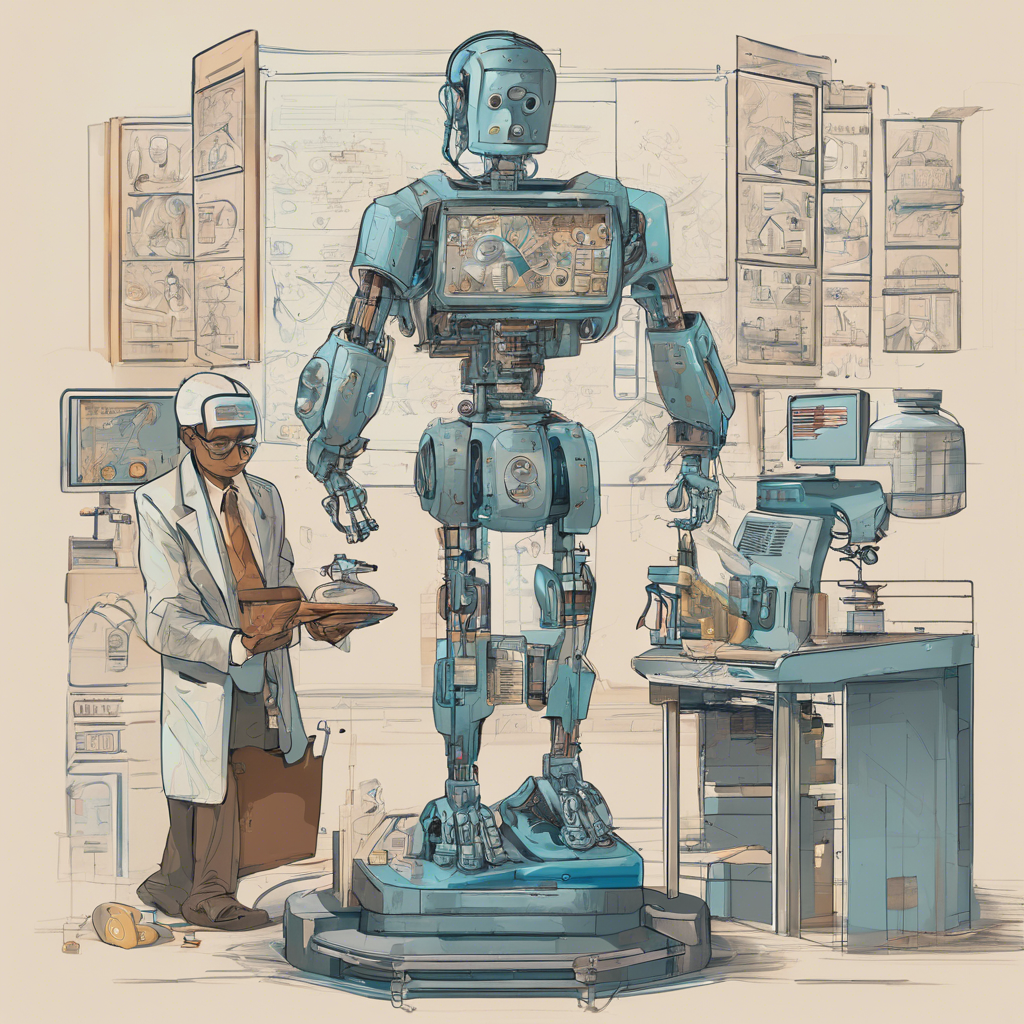
How Do Patent Laws Apply To Inventions Created By Artificial Intelligence?
Introduction
Understanding patent laws is essential for innovators and legal experts, especially in the context of artificial intelligence (AI) and its impacts on invention creation. As AI technology progresses, the complexity of applying patent laws to AI-generated inventions grows, emphasizing the urgent need to navigate these evolving legal challenges.
Key Concepts of Patent Law
Patent laws grant inventors exclusive rights over their inventions, allowing them to control how their creations are used, manufactured, or sold for a specific period. Traditionally, only human inventors qualify for patent rights. However, with advancements in AI capabilities, the eligibility of AI-generated inventions for patent protection is under scrutiny. The U.S. Patent and Trademark Office (USPTO) currently asserts that patent applications can only name human inventors due to existing regulations.
- Patent laws universally require a human inventor in most jurisdictions, particularly in the United States.
- To qualify for a patent, an invention must meet criteria of novelty, non-obviousness, and utility.
Consequences of AI in Invention Creation
The accelerating presence of AI in the innovation sector has sparked critical discussions regarding inventorship and patent ownership. When an AI system independently develops a new pharmaceutical formulation, it raises essential questions about the rightful inventor. This dilemma poses significant challenges to conventional patent regulations. Many legal scholars argue that AI should be viewed as tools aiding human inventors rather than as independent inventors. However, interpretations of this issue can differ among jurisdictions, and ongoing discussions about necessary legislative reforms continue.
- Establishing inventorship can become intricate, particularly when AI functions independently without human oversight.
- Certain jurisdictions are considering reforms to acknowledge the contributions of AI in patent applications, although no formal recognition has been finalized.
Current Trends and Legal Developments
Emerging case studies and legislative discussions reveal a transforming landscape in patent law regarding AI. While courts have consistently upheld the requirement of human inventors in patent applications, some patents have been granted where AI played a considerable role. Globally, movements advocating for adaptations in patent laws to more effectively include AI contributions are emerging, although advancements are progressing slowly and inconsistently.
- The U.S. Patent and Trademark Office reaffirms its position that only human inventors can claim patents, as seen in various judicial decisions.
- Countries like Australia are entering discussions about acknowledging AI-created inventions, yet formal legal structures are still under development.
Conclusion
As technology progresses, our patent laws must evolve accordingly. Current frameworks predominantly recognize human inventors, yet the increasing role of AI in generating inventions necessitates a thorough reassessment of patent legislation to provide fair protection for all types of inventions, including those produced by AI.
Expert Quote
Professor Ryan Calo, Associate Professor of Law at the University of Washington
As artificial intelligence becomes a more integral part of the innovation process, the legal frameworks governing inventorship and patents will need to adapt to ensure that these contributions are recognized and protected.
Article published in the Harvard Journal of Law & Technology, 2023
Relevant Links
AI and Patent Law: Balancing Innovation and Inventorship | Insights ...
https://www.skadden.com/insights/publications/2023/04/quarterly-insights/ai-and-patent-lawArtificial Intelligence and Patents: An International Perspective on ...
https://law-store.wolterskluwer.com/s/product/artificial-intelligence-and-patents-an-international-perspective/01t4R00000Nqk3bQABNew Developments Help Clarify Intersection of Patent Law and ...
https://www.skadden.com/insights/publications/2024/03/new-developments-help-clarify-intersection-of-patent-law-and-aiRequest for Comments Regarding Artificial ... - Federal Register
https://www.federalregister.gov/documents/2023/02/14/2023-03066/request-for-comments-regarding-artificial-intelligence-and-inventorshipArtificial Intelligence & Innovation: The End of Patent Law as We ...
https://yjolt.org/artificial-intelligence-innovation-end-patent-law-we-know-itYouTube Videos
Most popular questions

How Do The Personal Relationships Among Gods Affect Their Decisions In The Iliad?
The intricate relationships among the gods in Homer's epic poem 'The Iliad' play a crucial role in shaping their actions and decisions. These divine interactions create a complex web of fates, where each god's personal alliances and rivalries directly influence the events of the mortal world.

What Strategies Can Parents Use To Educate Their Children About Online Safety Beyond Privacy Settings?
In today's digital landscape, teaching children about online safety is essential for their protection and well-being. While privacy settings play a critical role, parents can implement various strategies to create a thorough understanding of online safety principles among their children.
What Are The Different Types Of Insulation Materials Commonly Used In Buildings, And How Do They Compare In Terms Of Thermal Resistance?
Insulation materials are vital for enhancing energy efficiency in residential and commercial buildings by minimizing heat transfer. Understanding the various insulation types can lead to better choices for thermal resistance and overall comfort.
Most recent questions
How Do Audience Engagement Levels Differ Across Various Media Formats And What Impact Does This Have On Character Development?
Understanding audience engagement is essential for narrative creators, as it varies significantly across different media formats. This variation influences character development and perception, offering valuable insights for creators aiming to craft compelling stories that resonate with their audience.
What Themes Can I Choose For A Tasting Night To Make It More Engaging?
Selecting the ideal themes for a tasting night can dramatically enhance the overall experience for guests, making it more enjoyable and memorable. A carefully chosen theme can influence your selection of food and drinks, creating a cohesive environment that captivates the senses and promotes conversation among participants.
In What Ways Does The Cultural Background Of Actors Influence Their Portrayal Of Diverse Characters In Films And Literature?
The cultural backgrounds of actors significantly influence their performances and how they portray diverse characters in film and literature. This impact arises from their unique life experiences, values, and perspectives rooted in their cultural heritage, shaping the authenticity and depth of their portrayals.