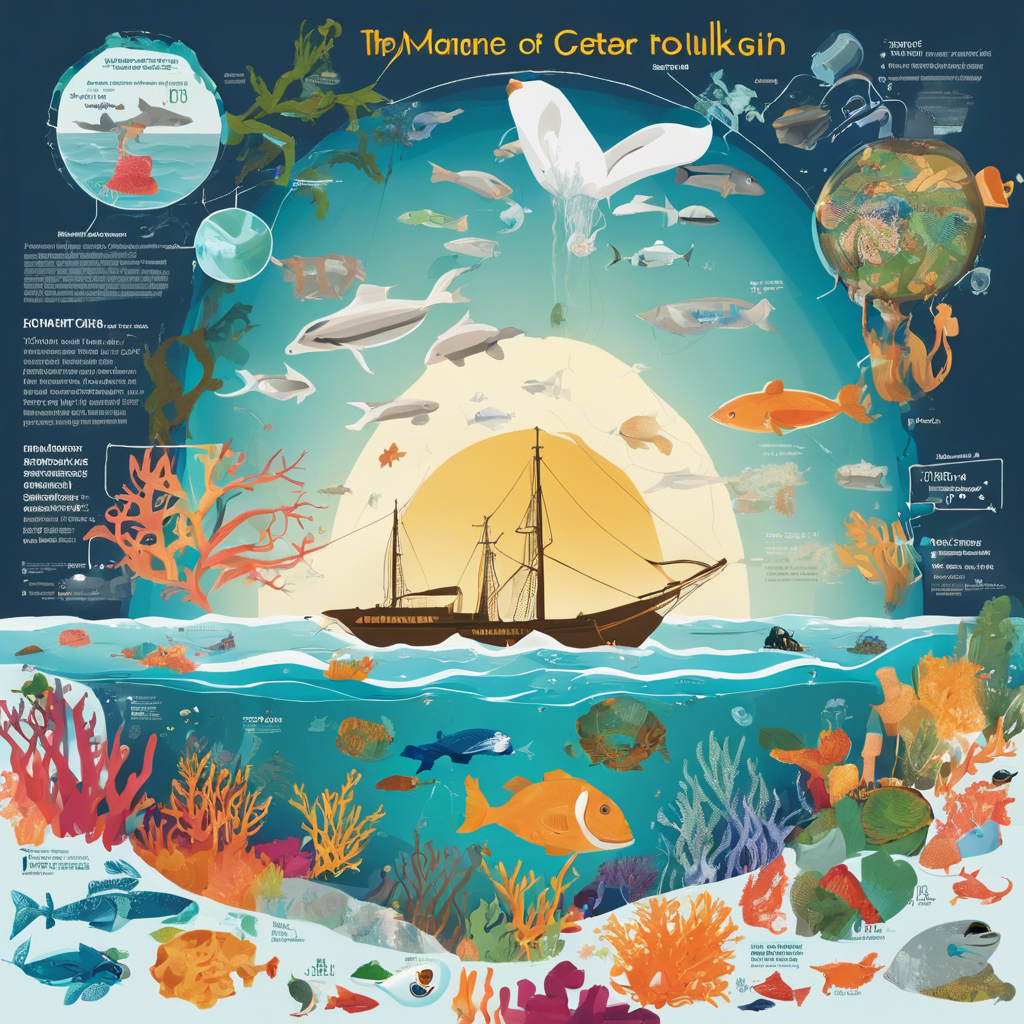
How Do Plastic Pollution Levels In Marine Environments Compare To Other Types Of Pollution, Such As Chemical Runoff Or Oil Spills?
Introduction
Plastic pollution in marine environments stands as one of the most critical environmental issues today. Understanding how plastic pollution contrasts with other pollution forms, such as chemical runoff and oil spills, is vital for comprehending its effects on marine ecosystems and human health.
Understanding Plastic Pollution
Plastic pollution refers to the accumulation of plastic materials in oceans and waterways, posing serious threats to marine life. Unlike other pollutants, plastic does not biodegrade but instead breaks down into smaller fragments known as microplastics, which can endure in the environment for hundreds or even thousands of years. The severity of plastic pollution is exacerbated by its versatility and extensive usage in countless products, resulting in pervasive environmental contamination. Noteworthy statistics, such as millions of tons of plastics entering the ocean annually, underscore the urgency of this crisis.
- Plastic waste accounts for up to 80% of all marine debris, as reported by organizations including the United Nations.
- It is estimated that by 2030, around 11 million metric tons of plastic could enter oceans each year, a number that could potentially more than triple by 2040, based on a report from the World Economic Forum.
Comparing Pollution Types
When assessing plastic pollution alongside other pollution types, it is crucial to analyze their sources, impacts, and remediation efforts. Chemical runoff consists of fertilizers, pesticides, pharmaceuticals, and heavy metals that enter water bodies, leading to eutrophication and toxic conditions that can devastate local ecosystems. Although oil spills occur less frequently, they can inflict catastrophic and rapid damage to marine habitats and often require extensive, invasive cleanup operations that may further harm ecosystems.
- Chemical runoff can lead to harmful algal blooms, which deplete oxygen and create hypoxic zones, posing threats to marine life.
- Oil spills create toxic conditions for breeding marine organisms and can take years for ecosystems to recover, often resulting in long-term population declines of affected species.
Impact on Marine Ecosystems
The effects of these pollutants differ significantly. Plastic pollution can cause physical harm to wildlife through entanglement, while microplastics can infiltrate the food chain, impacting various species from plankton to larger marine predators. In contrast, chemical runoff can lead to prolonged degradation of marine habitats, and oil spills necessitate complicated cleanup efforts that disturb ecosystems even further during the response phase, with lasting impacts on health and biodiversity.
- Ingesting plastic can result in malnutrition, digestive blockages, and even fatalities in marine animals, while also releasing toxic substances into marine ecosystems.
- Chemical pollutants can negatively influence reproduction and growth rates in fish and aquatic organisms, leading to ecosystem changes and population declines.
Conclusion
In conclusion, while plastic pollution presents a distinct and enduring threat to marine environments, other pollution types, such as chemical runoff and oil spills, also play a significant role in ecological degradation. Addressing these challenges requires a comprehensive strategy that combines reducing plastic consumption, enhancing waste management practices, regulating chemical discharges into water bodies, and promoting awareness and scientific research to effectively combat these pervasive environmental issues.
Expert Quote
Dr. Sylvia A. Earle, Marine Biologist and Exploration Scientist
The greatest threat to our oceans is the one that we can’t see — the plastic pollution that continues to accumulate, creating long-lasting issues for marine ecosystems akin to the effects of chemical runoff and oil spills, but with a persistence that compounds the problem.
TED Talk, 'My Wish: Protect Our Planet's Oceans', 2014
Relevant Links
Ocean pollution - 11 facts you need to know
https://www.conservation.org/stories/ocean-pollution-factsOcean pollution and marine debris | National Oceanic and ...
https://www.noaa.gov/education/resource-collections/ocean-coasts/ocean-pollutionHuman Health and Ocean Pollution - PMC
https://pmc.ncbi.nlm.nih.gov/articles/PMC7731724/Ocean Pollution: Causes, Effects, Prevention | TDS
https://www.texasdisposal.com/blog/ocean-pollution-causes-effects-and-prevention/Ocean Pollution: Key Facts and Trends 2024 Update
https://www.greenmatch.co.uk/ocean-pollution-factsYouTube Videos
Most popular questions

How Do The Personal Relationships Among Gods Affect Their Decisions In The Iliad?
The intricate relationships among the gods in Homer's epic poem 'The Iliad' play a crucial role in shaping their actions and decisions. These divine interactions create a complex web of fates, where each god's personal alliances and rivalries directly influence the events of the mortal world.

What Strategies Can Parents Use To Educate Their Children About Online Safety Beyond Privacy Settings?
In today's digital landscape, teaching children about online safety is essential for their protection and well-being. While privacy settings play a critical role, parents can implement various strategies to create a thorough understanding of online safety principles among their children.
What Are The Different Types Of Insulation Materials Commonly Used In Buildings, And How Do They Compare In Terms Of Thermal Resistance?
Insulation materials are vital for enhancing energy efficiency in residential and commercial buildings by minimizing heat transfer. Understanding the various insulation types can lead to better choices for thermal resistance and overall comfort.
Most recent questions
How Do Audience Preferences Influence The Establishment Of Community Guidelines In Fan Fiction?
The creation of community guidelines in the realm of fan fiction is significantly shaped by audience preferences. Recognizing what the community values is essential for establishing rules that promote creative expression while fostering a respectful and engaging environment for all participants.
In What Ways Do Regional Dialects Influence The Lyrical Content And Themes Of Niche Music Genres?
Regional dialects significantly influence the lyrical content and themes across various music genres, particularly those with devoted niche audiences. They infuse unique local flavor into the music and forge a deeper connection between artists and their listeners, capturing essential cultural experiences and influences.
What Design Elements In A Concert Venue Contribute Most To Sound Quality During Live Performances?
The acoustic design of a concert venue is essential in delivering an exceptional sound experience during live music performances. Multiple factors influence sound production, transmission, and audience perception, making these elements vital for any concert hall or performance space.