How Do The Experiences Created By VR And AR Compare To Traditional In-person Classroom Settings?
Introduction
This article explores the differences between Virtual Reality (VR) and Augmented Reality (AR) in educational settings compared to traditional in-person classrooms. It highlights the unique advantages and challenges these innovative technologies bring to modern education.
Immersive Learning Experiences with VR and AR
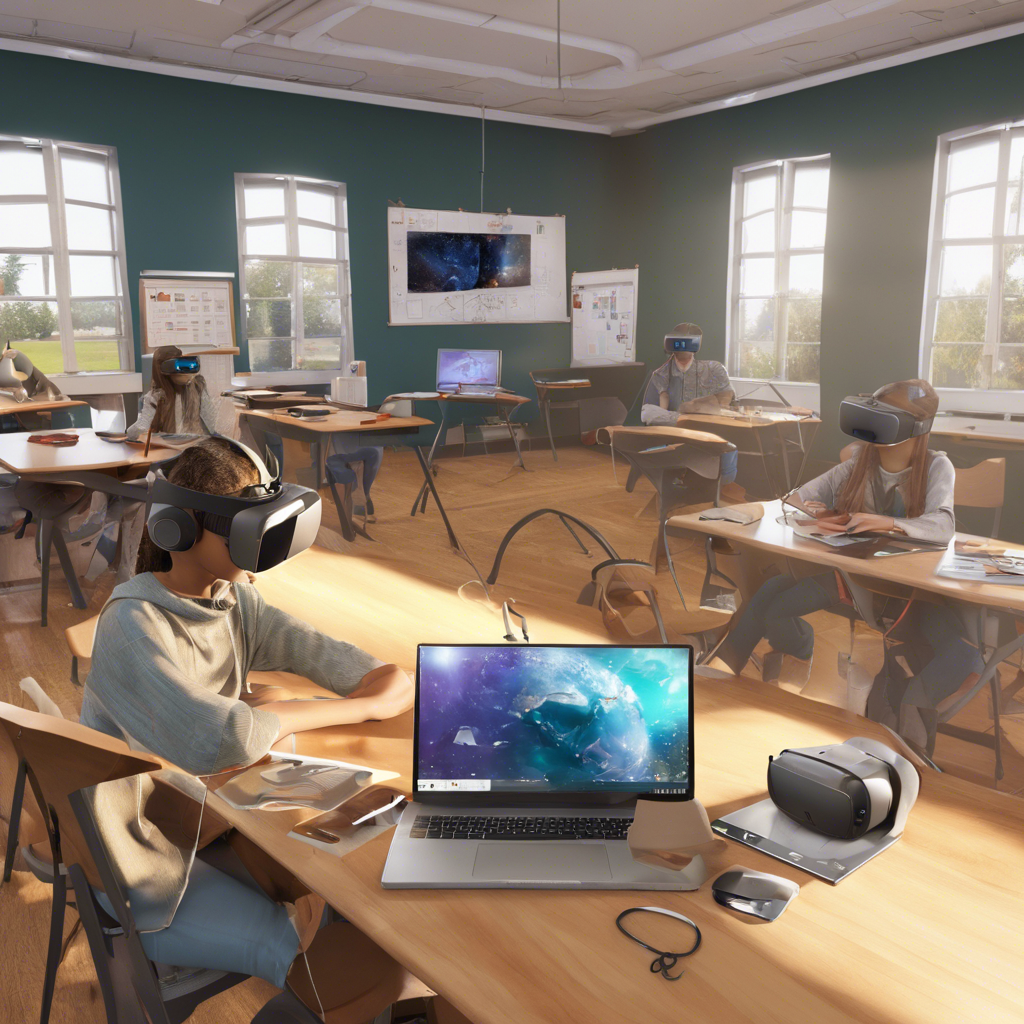
Virtual Reality and Augmented Reality create immersive learning experiences that actively engage students in ways traditional classrooms cannot. VR allows students to enter fully realized digital environments, making education highly interactive and experiential. In contrast, AR blends digital information with the physical world, enhancing students' understanding of real-world contexts. This interactive nature of VR and AR promotes better information retention and a deeper grasp of complex subjects, especially in disciplines like science, history, and geography.
- VR provides complete immersion in educational simulations, recreating real-world scenarios from historical events to scientific experiments.
- AR enriches real-world settings with additional digital content, helping students visualize abstract concepts in areas like anatomy and geography.
- Both technologies foster experiential learning, transforming theoretical ideas into tangible experiences that resonate with learners.
Customized Learning Opportunities with VR and AR
Virtual Reality and Augmented Reality offer the ability to personalize educational experiences to meet the diverse needs of individual students. Unlike conventional classrooms, which often deploy a one-size-fits-all approach, VR and AR facilitate tailored learning paths, adjusting to students' unique paces and styles in real-time. This personalized learning strategy not only enhances student engagement but also supports various learning preferences, fostering a more inclusive educational environment.
- In VR, learners can navigate content at their preferred speed, setting personal learning objectives and delving into topics that interest them.
- AR tools can modify educational content according to a student's current knowledge level, delivering contextual support that enriches understanding.
- Immediate feedback within VR environments allows students to identify mistakes and reinforce learning through repeated practice in a secure setting.
Challenges and Considerations in VR and AR Education
While VR and AR offer numerous educational advantages, several challenges must be addressed for successful implementation in classrooms. Technical difficulties, varying accessibility levels, and the necessity for specialized training for educators may impact the effectiveness of these technologies. Additionally, while VR and AR enhance student engagement, they may lack the intrinsic human interactions present in traditional classrooms, which are essential for developing social skills, teamwork, and emotional support vital for a holistic educational experience.
- Implementing VR and AR technology can involve substantial investments in hardware, software, and ongoing technical support.
- Accessibility remains a critical concern, as not all students may have equal access to the necessary technologies, highlighting the need for equitable education solutions.
- The success of VR and AR initiatives heavily relies on the quality of content and its integration into existing curricula, necessitating skilled educators well-versed in these innovative tools.
Conclusion
In conclusion, Virtual Reality and Augmented Reality present groundbreaking opportunities to enhance learning through immersive experiences and personalized instruction. However, effective implementation requires addressing challenges related to resource allocation, technical support, and accessibility to ensure that all students benefit equally from these transformative educational technologies.
Expert Quote
Dr. Richard T. Griffiths, Educational Technology Consultant
Virtual and augmented reality hold transformative potential in education, engaging students in ways that traditional classrooms cannot, by providing immersive experiences that enhance understanding and retention.
The Future of Learning: Technology and the Classroom, Journal of Educational Technology, 2022
Relevant Links
In-Person vs. Online Learning — Can They Compare?
https://www.yellowdig.co/post/in-person-vs-online-learning-can-they-compareMetaverse beyond the hype: Multidisciplinary perspectives on ...
https://www.sciencedirect.com/science/article/pii/S0268401222000767What does virtual reality and the metaverse mean for training?
https://www.pwc.com/us/en/tech-effect/emerging-tech/virtual-reality-study.htmlOnline Learning vs. Classroom Learning Research
https://www.eschoolnews.com/innovative-teaching/2024/04/05/online-learning-vs-classroom-learning-research/Comparing Virtual Learning and In-Person Learning
https://www.talespin.com/reading/comparing-virtual-learning-and-in-person-learningYouTube Videos
Most popular questions

How Do The Personal Relationships Among Gods Affect Their Decisions In The Iliad?
The intricate relationships among the gods in Homer's epic poem 'The Iliad' play a crucial role in shaping their actions and decisions. These divine interactions create a complex web of fates, where each god's personal alliances and rivalries directly influence the events of the mortal world.

What Strategies Can Parents Use To Educate Their Children About Online Safety Beyond Privacy Settings?
In today's digital landscape, teaching children about online safety is essential for their protection and well-being. While privacy settings play a critical role, parents can implement various strategies to create a thorough understanding of online safety principles among their children.
What Are The Different Types Of Insulation Materials Commonly Used In Buildings, And How Do They Compare In Terms Of Thermal Resistance?
Insulation materials are vital for enhancing energy efficiency in residential and commercial buildings by minimizing heat transfer. Understanding the various insulation types can lead to better choices for thermal resistance and overall comfort.
Most recent questions
How Does User Interface Design Impact User Engagement With Algorithmically Generated Playlists?
User Interface (UI) design is essential for enhancing user interaction with technology, especially regarding algorithmically generated playlists on music streaming platforms. The quality of UI design can significantly improve user engagement, satisfaction, and overall experience.
How Do Social Features In Mobile Games Impact The Long-term Retention Of Gen Z Gamers?
The integration of social features in mobile games has revolutionized the gaming industry, especially among Gen Z gamers who thrive on connectivity and social interaction. Understanding the impact of these features on long-term player retention is crucial for designing engaging gaming experiences that resonate with this tech-savvy demographic.
How Can Live-streaming Enhance The Global Reach Of Traditional Sports Teams Beyond Local Fan Bases?
Live-streaming has transformed how traditional sports teams interact with fans, breaking geographical barriers and enhancing their global outreach. This innovative technology allows teams to engage audiences far beyond their local fan base, fostering a diverse community of supporters across the world.