How Do The Land Use Requirements Of Solar Farms Compare To Traditional Fossil Fuel Extraction Sites?
Introduction
The land use requirements for solar energy farms and traditional fossil fuel extraction sites illustrate two contrasting approaches to sustainable energy production and their respective environmental impacts. Understanding these differences is crucial for effective land management and energy policy development.
Land Use Footprint of Solar Farms vs Fossil Fuels
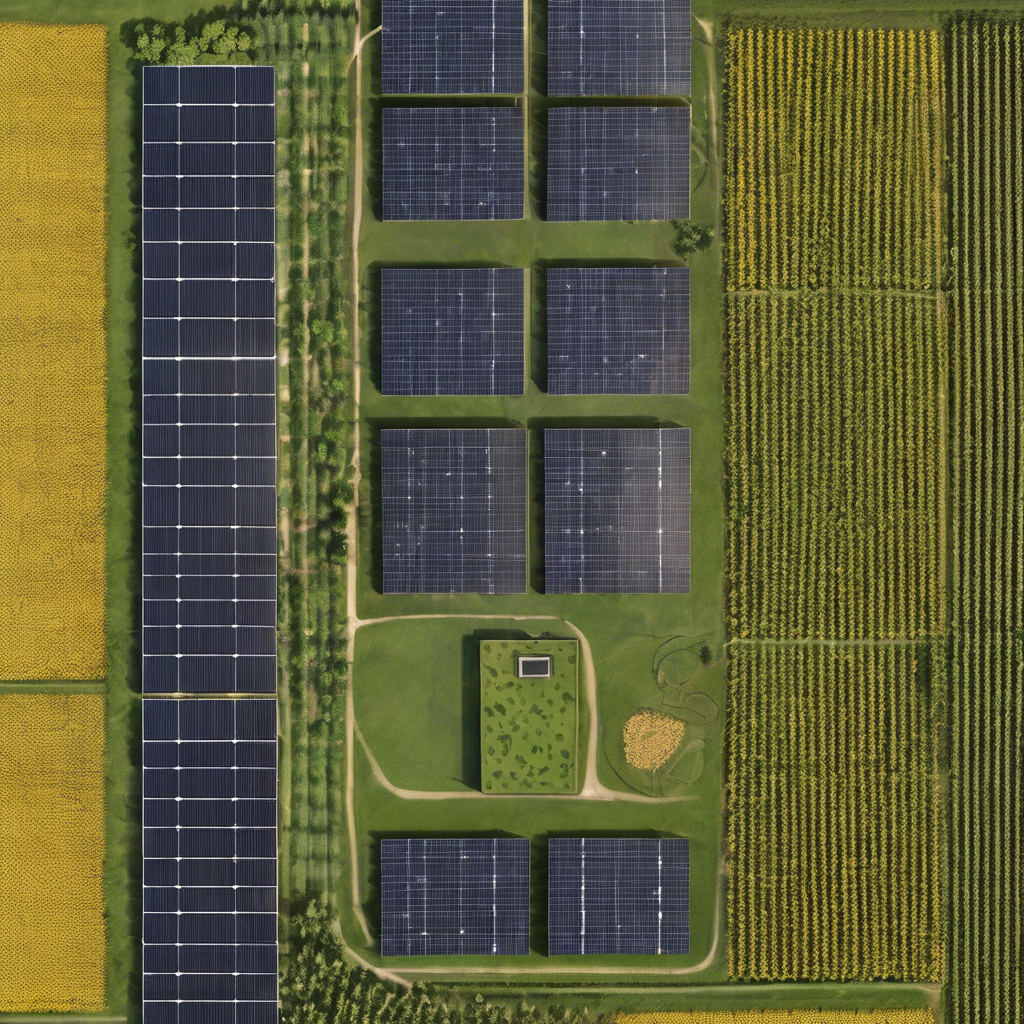
Solar energy farms typically have a smaller land use footprint in comparison to traditional fossil fuel extraction sites when evaluating energy production per unit area. For instance, solar facilities can produce substantial energy relative to the land they occupy, while fossil fuel extraction often necessitates expansive areas for drilling, pipelines, and supporting infrastructure.
- A solar energy farm generally uses approximately 5 to 10 acres to generate one megawatt of solar power, though this varies based on panel technology and site specifics.
- Fossil fuel extraction sites can require hundreds to thousands of acres, depending on the extraction method and necessary transportation infrastructure.
Environmental Impact of Energy Sources
The environmental repercussions of land use differ significantly between solar energy farms and fossil fuel extraction sites. Solar farms convert land for energy production with a lower rate of resource depletion, while fossil fuel extraction often results in land degradation and significant resource depletion.
- Solar energy installations can coexist with agricultural practices, enabling dual land use (agrivoltaics) that boosts land productivity.
- Conversely, fossil fuel extraction leads to habitat destruction, water pollution, and air quality deterioration, causing long-term damage to ecosystems.
Lifecycle Considerations in Energy Production
Examining the lifecycle of various energy sources provides deeper insights into their sustainability. Solar panels boast a longer operational lifespan with minimal land disruption after installation, unlike fossil fuel extraction, which requires ongoing land alteration and can leave lasting scars on natural landscapes.
- Solar farms call for periodic maintenance but preserve land integrity, allowing for reclamation after use.
- Fossil fuel extraction involves continuous drilling and resource withdrawal, resulting in consistent and often irreversible environmental impacts.
Conclusion
In conclusion, solar energy farms present a smaller, more sustainable land use profile and a reduced environmental impact when compared to traditional fossil fuel extraction sites. Both energy sources necessitate careful consideration of their long-term effects on land and resource management. Gaining a clearer understanding of these distinctions is vital for informing energy policy and promoting environmental conservation efforts.
Expert Quote
Dr. Hannah J. F. Franz, Renewable Energy Specialist at World Resources Institute
Solar energy systems generally require less land per unit of energy produced compared to fossil fuels, making them a more sustainable option in land use planning.
Research Article in Renewable Energy Review, 2022
Relevant Links
How does the land use of different electricity sources compare ...
https://ourworldindata.org/land-use-per-energy-source4 Environmental Impacts of Renewable Electricity Generation | The ...
https://nap.nationalacademies.org/read/12987/chapter/6Executive summary – The Role of Critical Minerals in Clean Energy ...
https://www.iea.org/reports/the-role-of-critical-minerals-in-clean-energy-transitions/executive-summarySolar Energy vs. Fossil Fuels: A Comparison of Environmental ...
https://monalee.co/blog/solar-energy-vs-fossil-fuels-a-comparison-of-environmental-impacts/Is natural gas really the bridge fuel the world needs?
https://www.unep.org/news-and-stories/story/natural-gas-really-bridge-fuel-world-needsYouTube Videos
Most popular questions

How Do The Personal Relationships Among Gods Affect Their Decisions In The Iliad?
The intricate relationships among the gods in Homer's epic poem 'The Iliad' play a crucial role in shaping their actions and decisions. These divine interactions create a complex web of fates, where each god's personal alliances and rivalries directly influence the events of the mortal world.

What Strategies Can Parents Use To Educate Their Children About Online Safety Beyond Privacy Settings?
In today's digital landscape, teaching children about online safety is essential for their protection and well-being. While privacy settings play a critical role, parents can implement various strategies to create a thorough understanding of online safety principles among their children.
What Are The Different Types Of Insulation Materials Commonly Used In Buildings, And How Do They Compare In Terms Of Thermal Resistance?
Insulation materials are vital for enhancing energy efficiency in residential and commercial buildings by minimizing heat transfer. Understanding the various insulation types can lead to better choices for thermal resistance and overall comfort.
Most recent questions
What Factors Contribute To The Variation In Fan Interpretations Of Characters Across Different Cultures?
The interpretation of characters in media varies significantly across diverse cultures, influenced by a multitude of factors that reflect the unique values, beliefs, and lived experiences of each culture. Understanding how cultural differences shape these interpretations is essential in today's globalized media landscape.
How Do Variations In Poker Game Types (i.e., Cash Games Vs. Tournaments) Impact Player Earnings In The Long Run?
In the competitive landscape of poker, enthusiasts frequently analyze the advantages and disadvantages of various game formats, primarily cash games versus tournaments. The structure, rules, and dynamics of each format heavily affect players' strategies, risk tolerance, and, ultimately, long-term profitability.
What Specific Technologies Have Historic Venues Implemented To Enhance Visitor Experience?
Historically significant venues are increasingly adopting cutting-edge technologies to enhance visitor engagement. These advancements not only preserve the essence of historical sites but also enrich the visitor experience, making history more accessible, interactive, and educational.