How Does Fermentation Compare To Other Food Preservation Methods In Terms Of Nutritional Enhancement?
Introduction
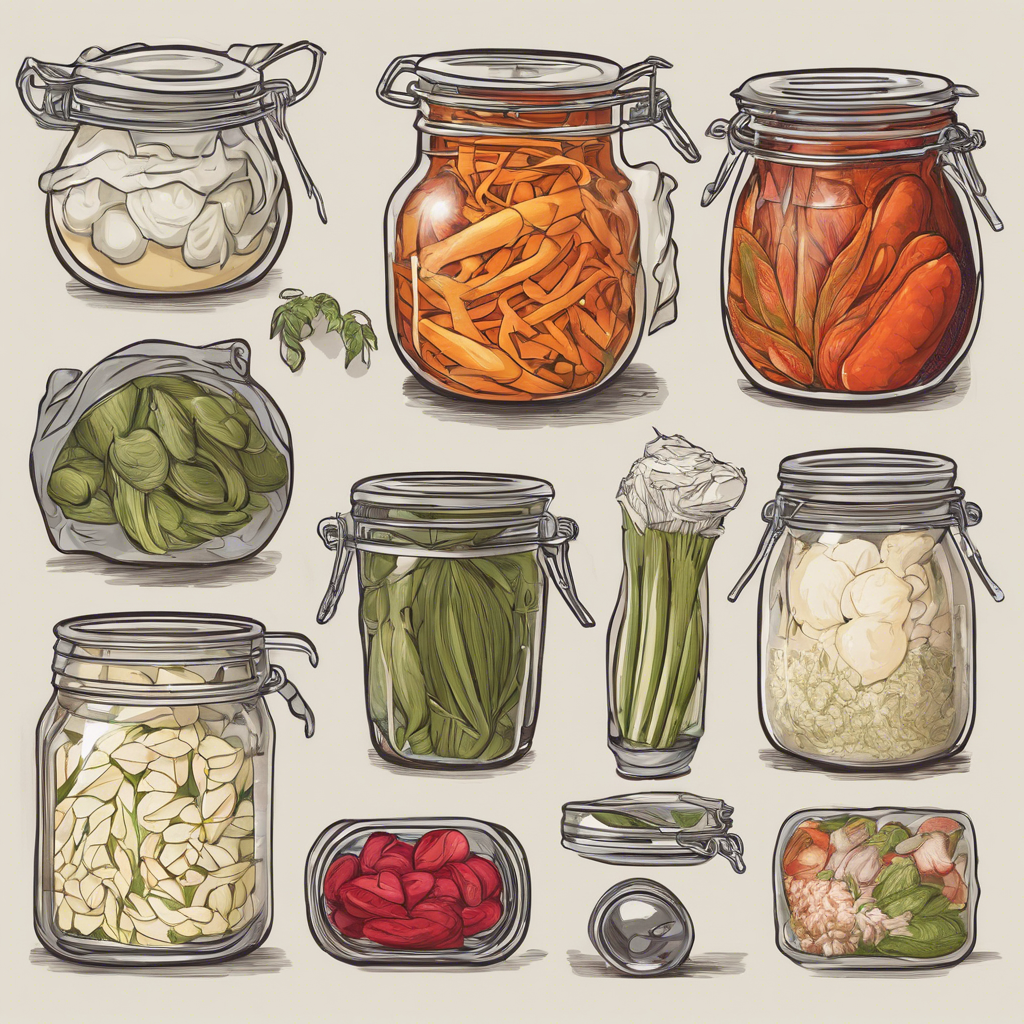
Fermentation is an innovative food preservation technique that not only prolongs the shelf life of various foods but also boosts their nutritional content. By analyzing fermentation in comparison to alternative food preservation methods, we can identify its unique benefits and features that contribute to healthier diets.
Nutritional Benefits of Fermented Foods
Fermentation is a biological process where microorganisms such as bacteria, yeast, or molds convert natural sugars into acids, gases, or alcohol. This transformative process does more than just preserve food; it also elevates the food's micronutrient levels and bioavailability, leading to the creation of health-promoting compounds. Noteworthy examples of fermented foods like yogurt and sauerkraut are rich in probiotics, which support digestive health and enhance gut microbiome function. Moreover, fermentation helps break down antinutrients, thereby improving the absorption of essential minerals such as calcium and magnesium. When juxtaposed with other food preservation techniques, fermentation uniquely enriches the nutritional profile while ensuring food safety.
- Boosted levels of vitamins including essential B vitamins and vitamin K.
- Improved digestibility, facilitating easier nutrient absorption.
- Generation of beneficial probiotics that promote digestive health.
Fermentation Compared to Traditional Food Preservation Techniques
Common food preservation methods include canning, freezing, and drying. Although these techniques effectively inhibit spoilage, they often fail to enhance the nutritional profile of foods. For example, canning processes can degrade delicate nutrients, particularly heat-sensitive vitamins like vitamin C and some B vitamins. Freezing maintains certain nutritional values yet lacks the capability to improve nutrient bioavailability as seen with fermentation. Additionally, drying removes moisture and can concentrate sugars but does not contribute to the nutritional enhancement that fermentation provides. This highlights fermentation's exclusive role in enriching nutritional value during the food preservation process.
- Canning may lead to the loss of important nutrients, especially sensitive vitamins such as vitamin C.
- Freezing preserves nutrients but does not amplify their availability for absorption.
- Drying can remove moisture without boosting nutritional quality like fermentation does.
Conclusion
To conclude, fermentation not only proves to be an effective food preservation method but also significantly elevates the nutritional value of foods. This approach offers distinct advantages over other methods like canning, freezing, and drying, making it an essential practice for health-conscious consumers. By understanding these nuances, individuals can make informed decisions about the best food preservation techniques to support their wellness.
Expert Quote
Michael Pollan, Author and Food Activist
Fermentation is one of the oldest forms of preserving food, and it's also one of the most beneficial. It enhances not just the flavor but the nutritional profile of foods, making it a vital practice in our diet.
Cooked: A Natural History of Transformation (2013)
Relevant Links
Microbial Fermentation and Its Role in Quality Improvement of ...
https://www.mdpi.com/2311-5637/6/4/106Fermented Foods: Definitions and Characteristics, Impact on the Gut ...
https://www.ncbi.nlm.nih.gov/pmc/articles/PMC6723656/Fermentation-enabled wellness foods: A fresh perspective ...
https://www.sciencedirect.com/science/article/pii/S2213453019301053Preservation and Physical Property Roles of Sodium in Foods ...
https://www.ncbi.nlm.nih.gov/books/NBK50952/Food processing and nutrition - Better Health Channel
https://www.betterhealth.vic.gov.au/health/healthyliving/food-processing-and-nutritionYouTube Videos
Most popular questions

How Do The Personal Relationships Among Gods Affect Their Decisions In The Iliad?
The intricate relationships among the gods in Homer's epic poem 'The Iliad' play a crucial role in shaping their actions and decisions. These divine interactions create a complex web of fates, where each god's personal alliances and rivalries directly influence the events of the mortal world.

What Strategies Can Parents Use To Educate Their Children About Online Safety Beyond Privacy Settings?
In today's digital landscape, teaching children about online safety is essential for their protection and well-being. While privacy settings play a critical role, parents can implement various strategies to create a thorough understanding of online safety principles among their children.
What Are The Different Types Of Insulation Materials Commonly Used In Buildings, And How Do They Compare In Terms Of Thermal Resistance?
Insulation materials are vital for enhancing energy efficiency in residential and commercial buildings by minimizing heat transfer. Understanding the various insulation types can lead to better choices for thermal resistance and overall comfort.
Most recent questions
In What Ways Do Technological Advancements Create New Ethical Dilemmas In Society Today?
Technological advancements are reshaping our world, driving innovation and progress across numerous industries. However, these advancements also unleash a host of ethical dilemmas that challenge our societal values and norms.
How Have Changes In Officiating Standards Affected Player Aggression In Soccer?
The evolution of soccer officiating standards has profoundly influenced player behavior on the field, particularly regarding aggression. Referees and governing bodies actively revise rules and interpretations to enhance player safety and uphold the integrity of the game. This article delves into how these officiating changes have affected player aggression in soccer.
What Are Some Common Sauces Or Dips That Pair Well With Seafood Starters?
Seafood starters are delightful appetizers that can be significantly enhanced with the perfect sauces and dips. These accompaniments are crucial in elevating flavors, creating a harmonious balance, and enhancing the overall dining experience of seafood dishes.