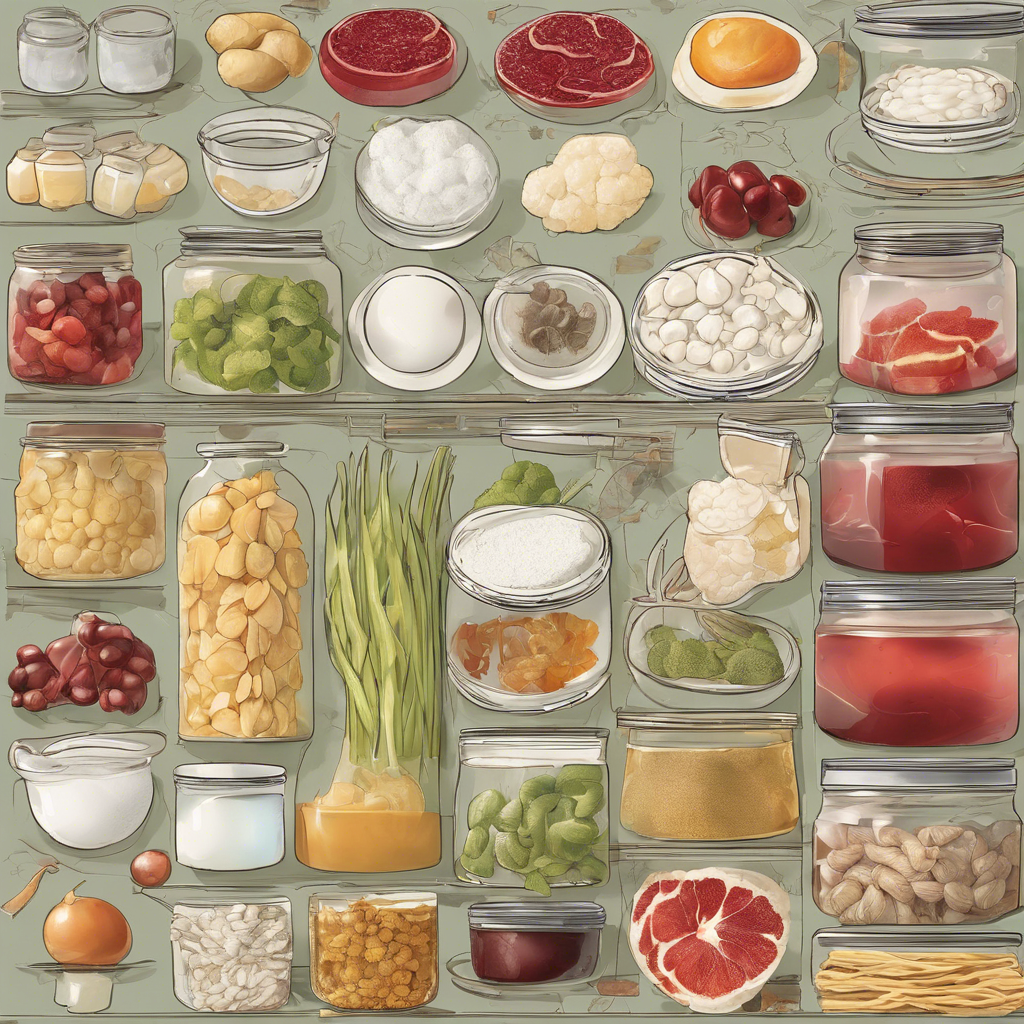
How Does Fermentation Impact The Digestibility Of Food Compared To Other Methods Like Canning?
Introduction
Fermentation is a fascinating biological process that transforms food, enhancing digestibility and flavor profiles. Unlike preservation methods such as canning, which can diminish nutritional value, understanding the benefits and mechanisms of fermentation is essential for optimizing your diet and overall nutrition.
What is Fermentation?
Fermentation is a natural biochemical process in which microorganisms, including yeast and bacteria, metabolize sugars into acids, gases, or alcohol. This method not only preserves food but also significantly enhances its digestibility. During fermentation, complex carbohydrates and proteins are broken down into simpler forms, greatly improving nutrient absorption in our bodies. For example, the lactose found in dairy is converted into lactic acid, allowing even lactose-intolerant individuals to enjoy nutrient-rich fermented dairy products such as yogurt and kefir.
- Fermented foods often contain probiotics, promoting gut health and overall wellness.
- The fermentation process reduces anti-nutrients like phytates, improving mineral absorption.
- Fermentation can enhance the bioavailability of vitamins and other essential nutrients.
Fermentation vs Canning: A Nutritional Comparison
Canning is a food preservation method that involves sealing food in airtight containers and applying heat to eliminate bacteria and enzymes. While canning is effective at preventing spoilage, it does not significantly enhance the digestibility of the food. Many nutrients may be lost during the high-temperature canning process, and foods often remain in their original form, which can be more complex for digestion. In contrast, fermented foods not only retain but may also increase their nutritional profile due to the metabolic activities of the fermentation microorganisms, which can produce additional nutrients. Additionally, some canned foods may include preservatives that compromise their overall nutritional quality.
- Fermentation can produce new nutrients; for example, it can synthesize B vitamins beneficial for health.
- Canned foods may offer a longer shelf-life but usually lack the functional benefits that fermentation provides.
- Fermented foods typically contain higher levels of beneficial compounds compared to canned alternatives.
Conclusion
In conclusion, fermentation dramatically improves the digestibility of food, making nutrients more available while enhancing flavors and adding health benefits through probiotics. While canning is a viable preservation method, it lacks the digestibility advantages offered by fermentation. Therefore, incorporating various fermented foods into your diet can be an excellent way to enhance your nutritional intake and enjoyment of food.
Expert Quote
Michael Pollan, Author and Food Activist
Fermentation liberates nutrients and can render certain foods safe, digestible, and more palatable, allowing the human body to absorb what it needs more effectively than through other preservation methods.
Cooked: A Natural History of Transformation, 2013
Relevant Links
Effect of Fermentation on the Nutritional Quality of the Selected ...
https://pmc.ncbi.nlm.nih.gov/articles/PMC10051273/Fermenting vs. Pickling: Differences & FAQs
https://www.webstaurantstore.com/blog/3658/pickling-vs-fermenting.htmlFermented foods can add depth to your diet - Harvard Health
https://www.health.harvard.edu/staying-healthy/fermented-foods-can-add-depth-to-your-dietWhat Is Lacto-Fermentation, and Does It Have Health Benefits?
https://www.healthline.com/nutrition/lacto-fermentationWhat is the difference between fermenting and pickling? | Kilner®
https://www.kilnerjar.co.uk/blog/what-is-the-difference-between-fermenting-and-picklingYouTube Videos
Most popular questions

How Do The Personal Relationships Among Gods Affect Their Decisions In The Iliad?
The intricate relationships among the gods in Homer's epic poem 'The Iliad' play a crucial role in shaping their actions and decisions. These divine interactions create a complex web of fates, where each god's personal alliances and rivalries directly influence the events of the mortal world.

What Strategies Can Parents Use To Educate Their Children About Online Safety Beyond Privacy Settings?
In today's digital landscape, teaching children about online safety is essential for their protection and well-being. While privacy settings play a critical role, parents can implement various strategies to create a thorough understanding of online safety principles among their children.
What Are The Different Types Of Insulation Materials Commonly Used In Buildings, And How Do They Compare In Terms Of Thermal Resistance?
Insulation materials are vital for enhancing energy efficiency in residential and commercial buildings by minimizing heat transfer. Understanding the various insulation types can lead to better choices for thermal resistance and overall comfort.
Most recent questions
What Are The Most Effective Social Media Platforms For Discussing Travel Experiences, And How Do Their Audiences Vary?
Exploring travel experiences on social media offers a dynamic and engaging way to share and discover adventures around the world. Each platform caters to specific audiences with unique features that enhance storytelling, making social media an essential tool for travelers.
What Impact Have Streaming Services Had On The Financial Success Of Artists Compared To Traditional Album Sales?
The emergence of leading streaming services such as Spotify, Apple Music, and Amazon Music has significantly transformed the music industry, reshaping how artists generate revenue compared to traditional album sales. Understanding this evolution is critical for musicians navigating the modern landscape.
What Role Do Local Musicians Play In Shaping The Cultural Identity Presented At Traditional Music Festivals?
Local musicians are pivotal in shaping the cultural identity at traditional music festivals. As performers and cultural ambassadors, their distinctive styles and interpretations of music illustrate the rich heritage and vibrancy of their communities, delivering an engaging experience filled with sound and tradition at these cultural events.