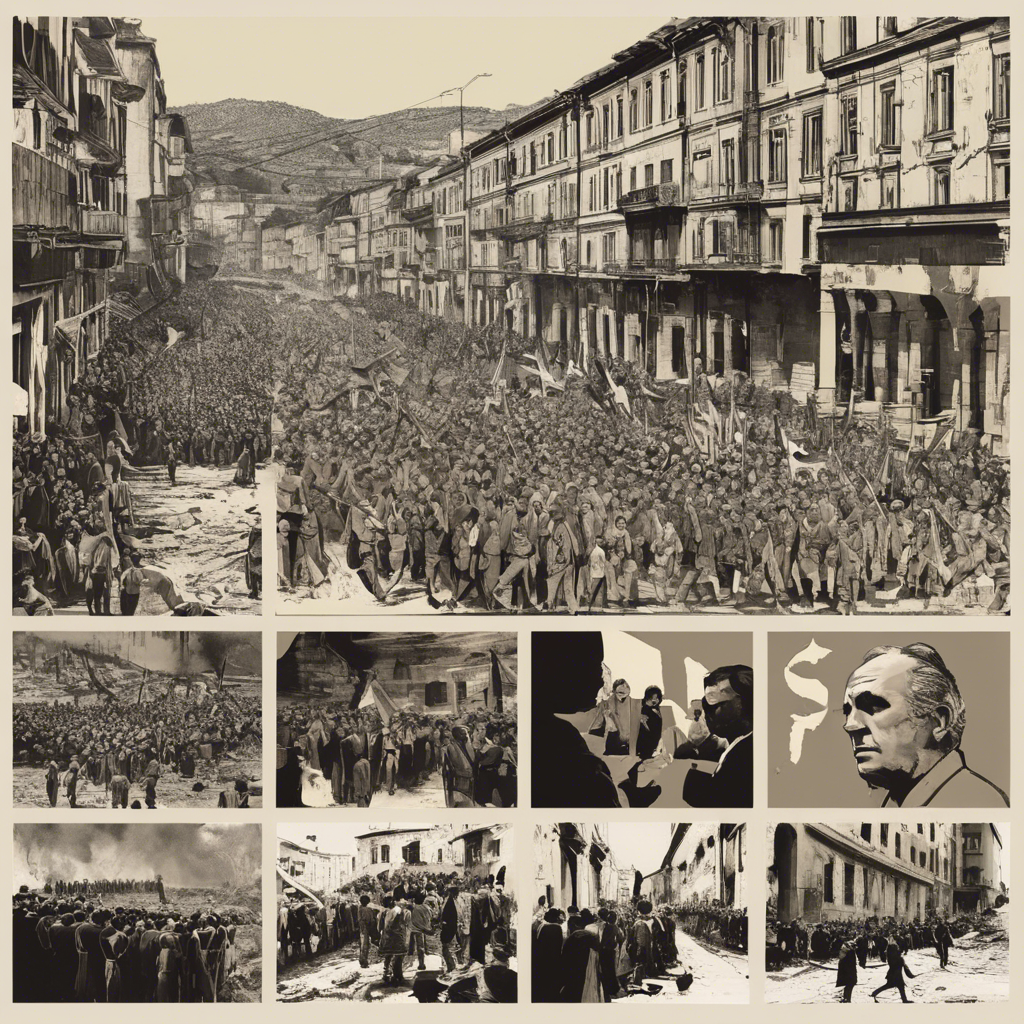
How Have Social Movements And Civil Society Evolved In The Former Yugoslav Republics Since Gaining Independence?
Introduction
The evolution of social movements and civil society in the former Yugoslav republics after independence is a multifaceted phenomenon influenced by historical, political, and cultural factors. This analysis explores how these social movements have transformed since the 1990s, impacting democratic processes and societal changes across the region.
Historical Context of Social Movements in the Former Yugoslavia
The disintegration of Yugoslavia in the early 1990s resulted in major turmoil but also sparked a variety of social movements that significantly shaped civil society. Initially, these movements centered on ethnic identity and nationalistic fervor during the Yugoslav Wars. However, they gradually shifted to encompass broader topics such as human rights, democracy, and social justice. The conflicts and volatile political atmosphere of this era encouraged civic engagement among citizens, leading to the rise of numerous NGOs and grassroots organizations dedicated to diverse causes beyond nationalism.
- National movements advocating for independence during the Yugoslav Wars.
- Formation of human rights organizations like the Helsinki Committee for Human Rights in Serbia.
- Emergence of grassroots activism in response to war crimes and the aftermath of ethnic conflicts.
Contemporary Social Movements and Their Challenges
In recent years, social movements across the former Yugoslav republics have continued to adapt, tackling contemporary socio-political issues like corruption, gender equality, and environmental sustainability. Movements such as the anti-corruption protests in Serbia, the prominent '1 in 5 is Enough' campaign against gender-based violence, and large-scale mobilizations in Montenegro underscore a growing demand for accountability and transparency in government. Nonetheless, these movements encounter formidable challenges, including political repression, media censorship, and resource scarcity.
- Emergence of youth-led movements utilizing social media for activism and organization.
- Increased emphasis on LGBTQ+ rights and gender equality initiatives, exemplified by '#NisamTvoj' in Serbia.
- Challenges from political backlash, authoritarian practices, and legal restrictions on freedom of assembly.
Conclusion
The development of social movements and civil society in the former Yugoslav republics since achieving independence showcases a dynamic and evolving landscape. While there have been notable advancements in activism and public participation, persistent challenges remain that necessitate ongoing efforts to secure sustainable development and democratic governance.
Expert Quote
Dr. David Chandler, Professor of International Relations at the University of Westminster
Social movements in the post-Yugoslav context have shown an impressive ability to adapt and remain resilient, often emerging as responses to the shortcomings of political leaders and the call for enhanced democratic accountability.
Chandler, D. (2018). 'Social Movements and Democracy in the Post-Yugoslav Context', Journal of Balkan Studies.
Relevant Links
Declassified: A short history of NATO - NATO
https://www.nato.int/cps/en/natohq/declassified_139339.htmThe Breakup of Yugoslavia, 1990–1992
https://history.state.gov/milestones/1989-1992/breakup-yugoslaviaOutreach Programme on the 1994 Genocide against the Tutsi in ...
https://www.un.org/en/preventgenocide/rwanda/historical-background.shtmlThe Conflicts | International Criminal Tribunal for the former ...
https://www.icty.org/en/about/what-former-yugoslavia/conflictsSerbian Nationalism and the Origins of the Yugoslav Crisis | United ...
https://www.usip.org/publications/1996/04/serbian-nationalism-and-origins-yugoslav-crisisYouTube Videos
Most popular questions

How Do The Personal Relationships Among Gods Affect Their Decisions In The Iliad?
The intricate relationships among the gods in Homer's epic poem 'The Iliad' play a crucial role in shaping their actions and decisions. These divine interactions create a complex web of fates, where each god's personal alliances and rivalries directly influence the events of the mortal world.

What Strategies Can Parents Use To Educate Their Children About Online Safety Beyond Privacy Settings?
In today's digital landscape, teaching children about online safety is essential for their protection and well-being. While privacy settings play a critical role, parents can implement various strategies to create a thorough understanding of online safety principles among their children.
What Are The Different Types Of Insulation Materials Commonly Used In Buildings, And How Do They Compare In Terms Of Thermal Resistance?
Insulation materials are vital for enhancing energy efficiency in residential and commercial buildings by minimizing heat transfer. Understanding the various insulation types can lead to better choices for thermal resistance and overall comfort.
Most recent questions
What Are The Socio-economic Impacts Of Tourism Generated By Film Festivals Compared To Music Festivals?
Festivals play a pivotal role in boosting tourism and enhancing local economies, yet the socio-economic impacts of film festivals significantly differ from those of music festivals. This detailed comparison highlights various benefits and challenges associated with both types of festivals, influencing local communities in distinct ways.
How Do Social Features In Mobile Games Impact The Long-term Retention Of Gen Z Gamers?
The integration of social features in mobile games has revolutionized the gaming industry, especially among Gen Z gamers who thrive on connectivity and social interaction. Understanding the impact of these features on long-term player retention is crucial for designing engaging gaming experiences that resonate with this tech-savvy demographic.
How Can Emerging Musical Artists Themselves Leverage Social Media Platforms To Enhance Their Visibility And Reach?
Emerging musical artists face the challenge of gaining visibility in an increasingly competitive music industry. Social media platforms have become essential tools for these artists to engage with audiences, promote their music, and establish a distinctive personal brand.