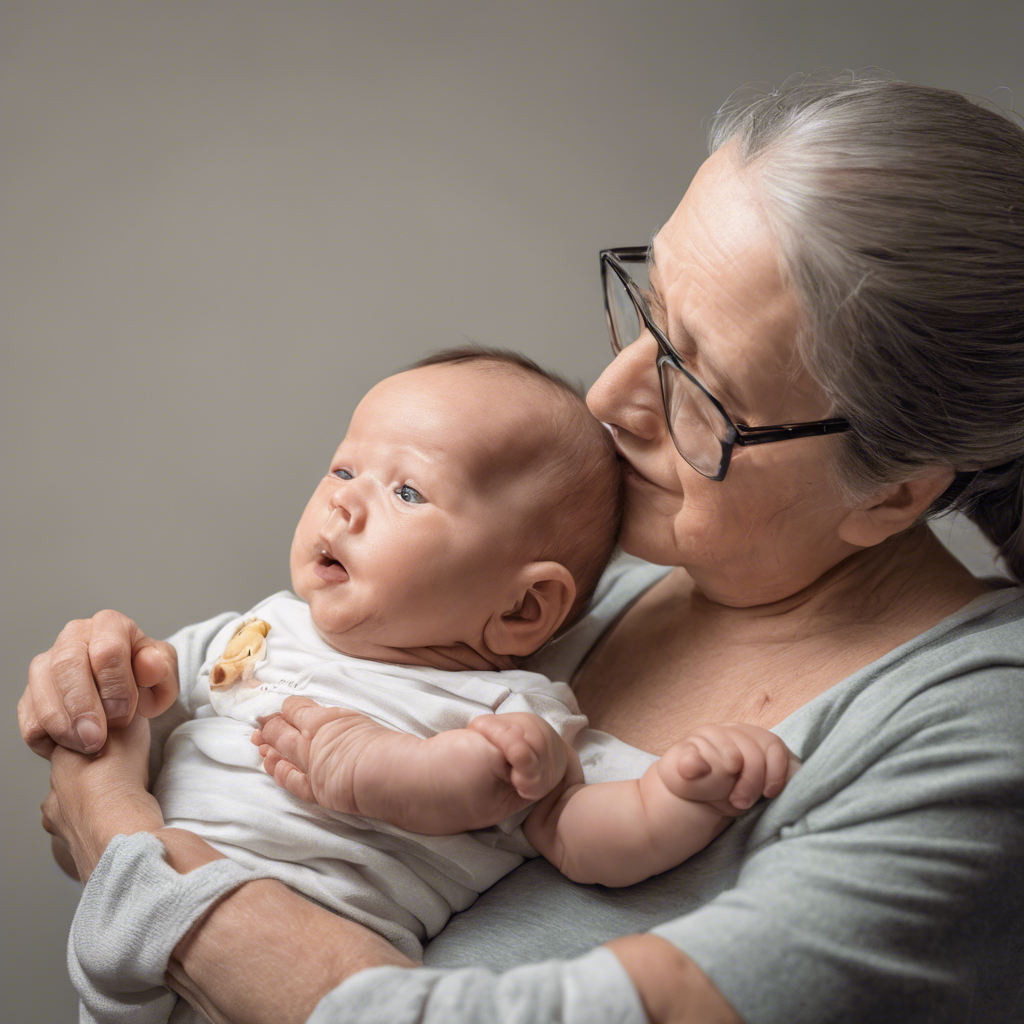
How Would Our Interactions Differ If We Understood The Emotions Of Non-verbal Humans, Such As Infants Or Individuals With Disabilities?
Introduction
Understanding the emotions of non-verbal individuals, including infants and individuals with disabilities, is crucial in enhancing interpersonal communication. By accurately deciphering their non-verbal signals, we can cultivate deeper emotional connections and improve the quality of our interactions.
Enhancing Communication with Non-Verbal Individuals
Grasping the emotional states of non-verbal individuals significantly transforms our communication style. When we understand their emotional needs, interactions become more empathetic and responsive, fostering mutual understanding and support. For example, by interpreting a baby's cry as a sign of discomfort rather than simple fussiness, caregivers can deliver timely and effective responses. Likewise, recognizing the emotional expressions of individuals with disabilities promotes inclusive and respectful communication.
- Increased Empathy: Awareness of non-verbal signals promotes deeper compassion.
- Timely Responses: Identifying distress indicators in infants enables quicker and more effective interventions.
- Stronger Relationships: A better understanding of emotions enhances trust and emotional connection.
Cultivating Sensitivity to Non-Verbal Signals
To improve interactions with non-verbal individuals, we must cultivate an acute sensitivity to their non-verbal signals. This necessitates attentiveness to body language, facial expressions, and other subtle cues that reflect emotions. Training methods focused on observation skills and emotional intelligence can offer essential insights for this purpose.
- Attentive Observation: Be vigilant to changes in behavior or expressions.
- Practicing Patience: Allow time for the interpretation of non-verbal cues before responding.
- Educational Growth: Utilize training programs or resources focused on non-verbal communication skills.
Applying Knowledge of Non-Verbal Emotions
Understanding non-verbal emotions is applicable in diverse environments such as homes, schools, and healthcare settings. Professionals can elevate their practice by integrating this knowledge into their care strategies, leading to a more customized approach to individual needs and fostering better outcomes.
- In Education: Educators can modify teaching methods according to students' emotional cues.
- In Healthcare: Caregivers can enhance support by accurately interpreting patients' emotional signals, adjusting their approaches as necessary.
- In Parenting: Parents can more effectively respond to their child’s non-verbal behaviors and needs.
Conclusion
The capacity to understand and interpret the emotions of non-verbal individuals enables more significant and meaningful interactions, promoting empathy and stronger connections. By enhancing our sensitivity to non-verbal emotions, we create pathways for improved relationships and support systems.
Expert Quote
Dr. Paul Ekman, Psychologist and Emotions Expert
Understanding non-verbal cues is essential in fostering empathy and connecting with those who cannot express their emotions verbally. Our interactions can become richer and more compassionate when we learn to interpret these signals accurately.
The Science of Emotion, 2016
Relevant Links
Autism Spectrum Disorder: Communication Problems in Children ...
https://www.nidcd.nih.gov/health/autism-spectrum-disorder-communication-problems-childrenAutistic Body Language » NeuroClastic
https://neuroclastic.com/autistic-body-language/Talking With Your Older Patients | National Institute on Aging
https://www.nia.nih.gov/health/health-care-professionals-information/talking-your-older-patientsWhat is a Secure Attachment? And Why Doesn't "Attachment ...
https://www.developmentalscience.com/blog/2017/3/31/what-is-a-secure-attachmentand-why-doesnt-attachment-parenting-get-you-there4 Child Development and Early Learning | Transforming the ...
https://nap.nationalacademies.org/read/19401/chapter/8YouTube Videos
Most popular questions

How Do The Personal Relationships Among Gods Affect Their Decisions In The Iliad?
The intricate relationships among the gods in Homer's epic poem 'The Iliad' play a crucial role in shaping their actions and decisions. These divine interactions create a complex web of fates, where each god's personal alliances and rivalries directly influence the events of the mortal world.

What Strategies Can Parents Use To Educate Their Children About Online Safety Beyond Privacy Settings?
In today's digital landscape, teaching children about online safety is essential for their protection and well-being. While privacy settings play a critical role, parents can implement various strategies to create a thorough understanding of online safety principles among their children.
What Are The Different Types Of Insulation Materials Commonly Used In Buildings, And How Do They Compare In Terms Of Thermal Resistance?
Insulation materials are vital for enhancing energy efficiency in residential and commercial buildings by minimizing heat transfer. Understanding the various insulation types can lead to better choices for thermal resistance and overall comfort.
Most recent questions
In What Ways Did The Advancements In 1980s Technology Influence The Sound Design And Music In Action Movies?
The 1980s marked a groundbreaking era for film technology, igniting transformative innovations that redefined sound design and music in action movies. Thanks to advancements in electronic instruments, digital recording techniques, and synthesizers, filmmakers discovered innovative methods to elevate the auditory experience of their films, setting the stage for modern soundscapes.
How Do Narrative Structures In Literature Compare To Those In Film Regarding Audience Engagement?
Narrative structures play a crucial role in shaping storytelling in both literature and film, significantly influencing audience engagement and emotional connection. By employing various storytelling methods, both mediums captivate their viewers and readers, leading to diverse emotional responses and varying levels of investment in the narrative.
What External Factors Influence How Both Athletes And Politicians Are Portrayed In The Media?
Exploring the portrayal of athletes and politicians in the media reveals crucial insights into public perception and social influence. Various external factors significantly shape these portrayals, crafting narratives that can result in public admiration or critique.