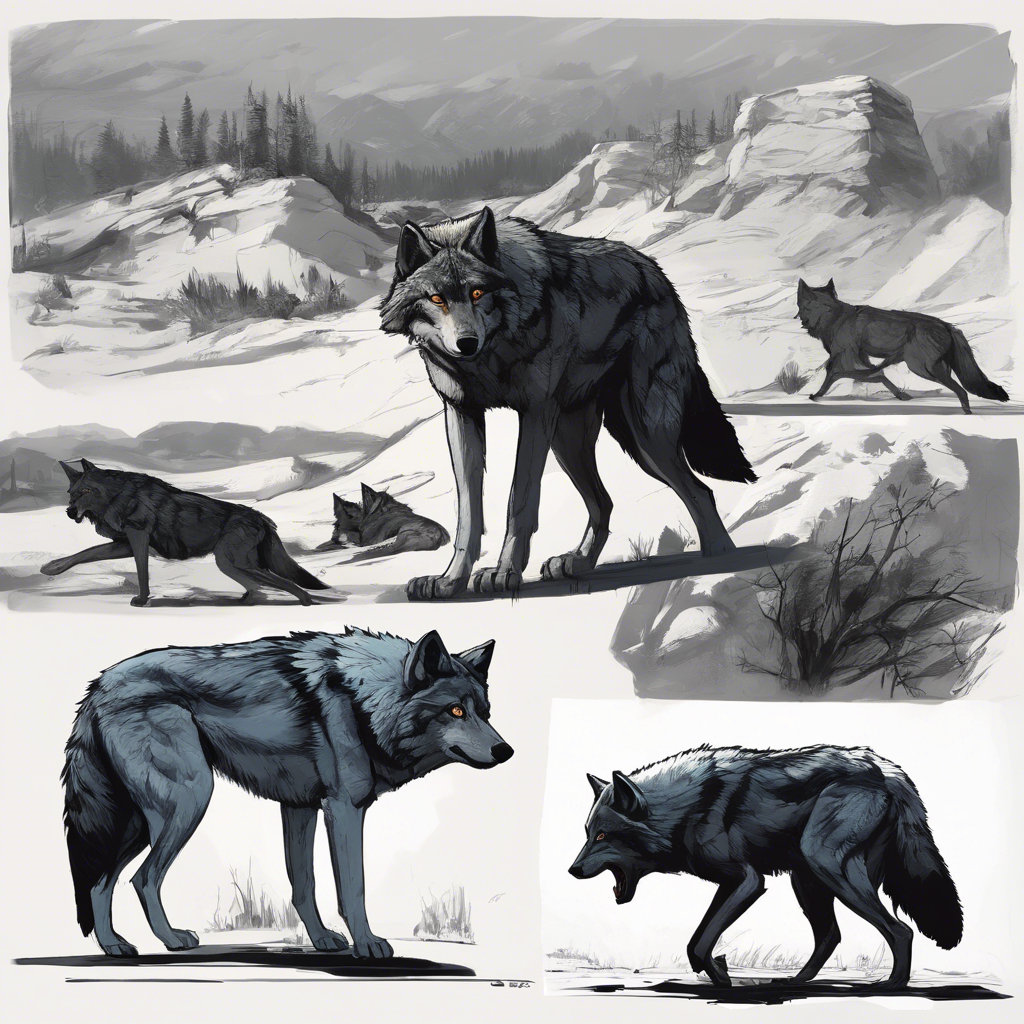
In Terms Of Survival Instinct, Which Scenario Is More Psychologically Intimidating: Facing A Single Predator Or A Group Of Predators?
Introduction
The survival instinct of humans has evolved remarkably over thousands of years, shaping our responses to threats particularly when interacting with predators. This analysis investigates the psychological effects of confronting a solitary predator compared to a group of predators, highlighting crucial differences in threat perception.
Psychological Intimidation of Predators
Encountering a potential predator creates varied psychological impacts based on the number of threats present. A single predator may be viewed as a manageable danger, similar to a lone wolf, allowing for calculated survival strategies. Conversely, encountering multiple predators escalates feelings of anxiety and fear, akin to being surrounded by a pack of wolves. This scenario triggers different survival instincts, where individuals might evaluate the strengths and weaknesses of one predator, but the presence of multiple predators fosters confusion and panic, complicating the decision-making process related to survival.
- A solitary predator triggers the fight-or-flight response, offering clear escape routes.
- Multiple predators evoke feelings of being trapped, complicating threat assessment.
Evolutionary Perspective on Threat Perception
From an evolutionary perspective, early humans contended with both singular and group threats. The psychological impact varies based on historical experiences and an inherent desire for survival. Confronting a group of predators often implies a strategic and coordinated method of hunting, leading to profound feelings of helplessness. The likelihood of being outnumbered forces individuals to rethink survival tactics, often resulting in irrational decision-making. This experience is not solely about physical danger; it deeply involves the psychological perception of overwhelming odds against an isolated individual.
- Groups of predators often coordinate tactics, diminishing the effectiveness of escape routes.
- The intense psychological pressure from multiple threats can spawn a paralyzing atmosphere of fear.H
Conclusion
In conclusion, while both solitary and group threats pose significant risks, facing a group of predators tends to generate a heightened level of psychological intimidation compared to confronting a single predator. The multifaceted nature of managing several threats can overwhelm cognitive processes, rendering survival a complex psychological journey rather than merely a physical one.
Expert Quote
Dr. Mark A. S. Smith, Evolutionary Psychologist at the University of California, Berkeley
When an individual encounters a group of predators, the consequent surge in fear and anxiety can obstruct rational thought processes. This heightened state is a reflection of our evolutionary survival mechanisms, as our ancestors were significantly more vulnerable to organized group assaults.
Journal of Evolutionary Psychology, 2022
Relevant Links
Predator-induced fear causes PTSD-like changes in the brains and ...
https://pmc.ncbi.nlm.nih.gov/articles/PMC6685979/The 9/11 Commission Report
https://dpcld.defense.gov/Portals/49/Documents/Civil/911Report.pdfEvolutionary aspects of anxiety disorders - PMC
https://pmc.ncbi.nlm.nih.gov/articles/PMC3181631/Primate Behavior: Social Structure
https://www.palomar.edu/anthro/behavior/behave_2.htmI understand that it's funny and quirky, but 99% of people here ...
https://www.reddit.com/r/subnautica/comments/1bfdzv2/i_understand_that_its_funny_and_quirky_but_99_of/YouTube Videos
Most popular questions

How Do The Personal Relationships Among Gods Affect Their Decisions In The Iliad?
The intricate relationships among the gods in Homer's epic poem 'The Iliad' play a crucial role in shaping their actions and decisions. These divine interactions create a complex web of fates, where each god's personal alliances and rivalries directly influence the events of the mortal world.

What Strategies Can Parents Use To Educate Their Children About Online Safety Beyond Privacy Settings?
In today's digital landscape, teaching children about online safety is essential for their protection and well-being. While privacy settings play a critical role, parents can implement various strategies to create a thorough understanding of online safety principles among their children.
What Are The Different Types Of Insulation Materials Commonly Used In Buildings, And How Do They Compare In Terms Of Thermal Resistance?
Insulation materials are vital for enhancing energy efficiency in residential and commercial buildings by minimizing heat transfer. Understanding the various insulation types can lead to better choices for thermal resistance and overall comfort.
Most recent questions
What Role Do Social Media Platforms Play In Amplifying Fan Theories During A Media Release Campaign?
Social media platforms have become essential channels in shaping and amplifying fan theories during media release campaigns, especially within the entertainment industry. These platforms function as dynamic hubs for discussion, sharing, and speculation, significantly enhancing fan engagement with upcoming films, shows, and music releases.
How Does User-generated Content Influence Purchasing Decisions Among Millennials?
User-generated content, often abbreviated as UGC, is essential in influencing purchasing decisions, especially among Millennials who prioritize authenticity and relatability in their shopping experiences.
What Are The Primary Motivations For Readers To Engage With Fan Fiction On Various Platforms?
Fan fiction has emerged as a lively and engaging community where readers delve into narratives that expand their cherished universes. This immersive experience is fueled by diverse motivations unique to every fan fiction reader.