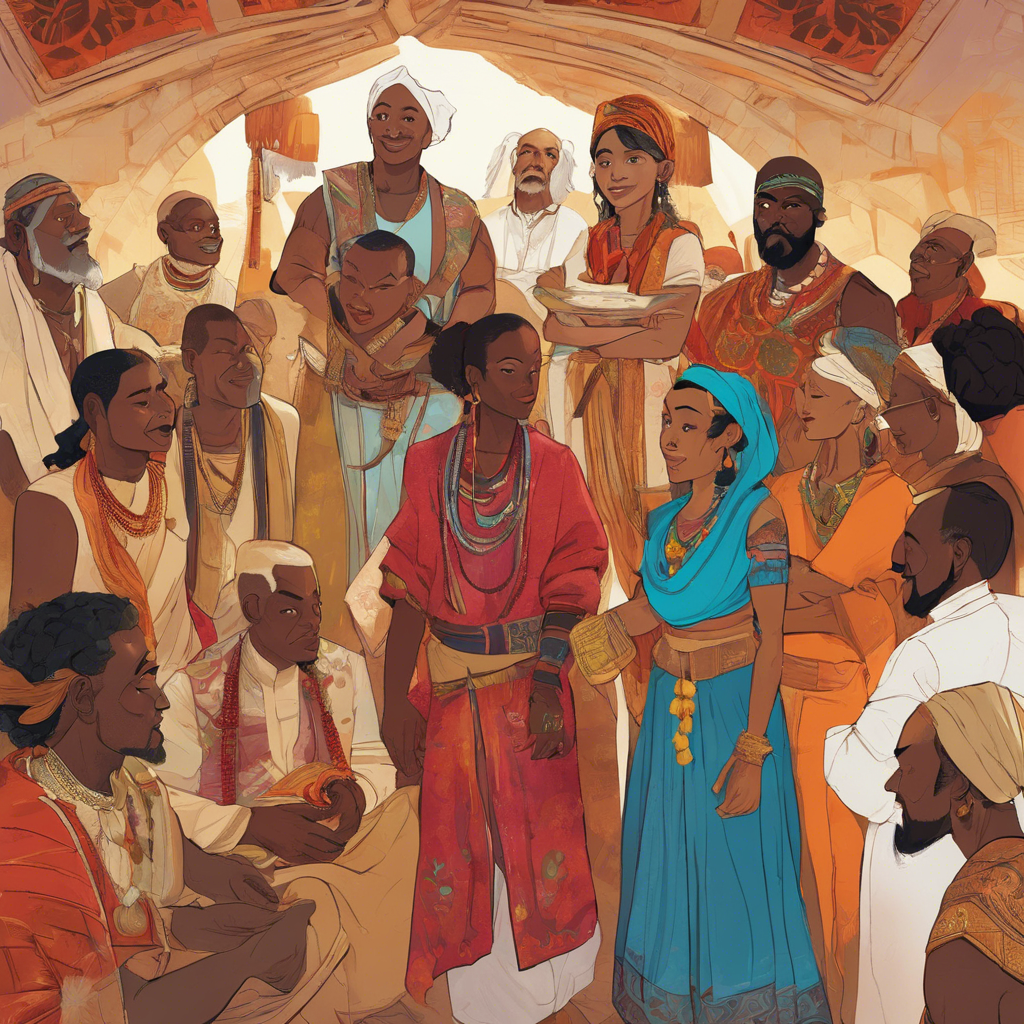
In What Ways Can Storytelling Enhance Empathy Among Individuals From Different Cultural Backgrounds?
Introduction
Storytelling is a timeless art form that transcends cultures and generations. It serves not only as a source of entertainment but also as a powerful means to foster connections on deep emotional levels. In our interconnected world, the ability to cultivate empathy through storytelling plays a vital role in bridging cultural divides and enhancing understanding among diverse communities.
Understanding Diverse Perspectives through Storytelling
Storytelling enables individuals to immerse themselves in the lives of characters from different cultures. By engaging with stories that reflect varied experiences, people can appreciate the complexities and subtleties that contribute to different cultural identities. This understanding of diverse perspectives is essential for nurturing empathy in a globalized society.
- Characters from diverse cultural backgrounds confront unique challenges that reveal their cultural contexts.
- Narratives that share real-life experiences highlight universal human emotions such as love, grief, and hope.
Creating Emotional Bonds via Storytelling
A well-crafted story carries emotional weight, establishing potent connections between the storyteller and the audience. When individuals share their personal experiences or cultural narratives, listeners often relate to the emotions conveyed, creating a sense of shared humanity that enhances empathy across cultures.
- Emotionally charged stories can elicit laughter, tears, and contemplation, fostering a deeper connection between the storyteller and the audience.
- Narratives focusing on familial relationships, community values, or personal challenges illustrate universal themes that resonate with listeners.
Enhancing Cultural Awareness through Stories
Storytelling serves as a robust educational tool by introducing audiences to a variety of cultural narratives. It showcases the richness of different traditions and customs, enabling individuals to appreciate and respect cultures beyond their own and encouraging global cultural literacy.
- Cultural stories may encompass traditional folklore, myths, or contemporary experiences that embody cultural identities.
- Engaging with diverse narratives can effectively dismantle stereotypes and challenge prevailing misconceptions.
Conclusion
Storytelling is an essential channel for fostering empathy among cultures. By embracing a wide array of narratives, individuals cultivate a deeper understanding of others, forge emotional connections, and promote awareness of the richness inherent in various cultures. Ultimately, the practice of storytelling creates pathways toward a more empathetic and unified society.
Expert Quote
Brené Brown, Researcher and Author
Empathy is not just about stepping into someone else's shoes. It's about understanding their story and the values that shape their feelings and beliefs, which is an essential part of storytelling.
Dare to Lead: Brave Work. Tough Conversations. Whole Hearts.
Relevant Links
Understanding and Addressing Mental Health Stigma Across ...
https://www.ncbi.nlm.nih.gov/pmc/articles/PMC10220277/Chapter 27. Working Together for Racial Justice and Inclusion ...
https://ctb.ku.edu/en/table-of-contents/culture/cultural-competence/building-relationships/mainA Diversity of Dolls Can Help Children Learn to Be Antiracist
https://brownicity.com/blog/a-diversity-of-dolls-can-help-children-learn-to-be-antiracist/Cultural Competence: An Important Skill Set for the 21st Century
https://extensionpublications.unl.edu/assets/html/g1375/build/g1375.htmMy Personal Story of Growth Through Diversity
https://www.linkedin.com/pulse/my-personal-story-growth-through-diversity-sanjiv-goyalYouTube Videos
Most popular questions

How Do The Personal Relationships Among Gods Affect Their Decisions In The Iliad?
The intricate relationships among the gods in Homer's epic poem 'The Iliad' play a crucial role in shaping their actions and decisions. These divine interactions create a complex web of fates, where each god's personal alliances and rivalries directly influence the events of the mortal world.

What Strategies Can Parents Use To Educate Their Children About Online Safety Beyond Privacy Settings?
In today's digital landscape, teaching children about online safety is essential for their protection and well-being. While privacy settings play a critical role, parents can implement various strategies to create a thorough understanding of online safety principles among their children.
What Are The Different Types Of Insulation Materials Commonly Used In Buildings, And How Do They Compare In Terms Of Thermal Resistance?
Insulation materials are vital for enhancing energy efficiency in residential and commercial buildings by minimizing heat transfer. Understanding the various insulation types can lead to better choices for thermal resistance and overall comfort.
Most recent questions
What Are Some Unique Themes For A Cocktail Party That Can Enhance Guest Experience?
Cocktail parties are an enjoyable way to connect with friends and family, and selecting the perfect theme can tremendously elevate the guest experience. A captivating theme not only sets the ambiance but also sparks creativity in drink selection, decorations, and entertainment options. Explore these exciting cocktail party themes for your next event to captivate your guests and make lasting memories.
How Can The Authenticity Of An Influencer's Brand Align With A Film's Thematic Elements?
The convergence of influencer marketing and filmmaking presents a fascinating landscape, particularly when evaluating how the authenticity of an influencer's branding can complement a film's thematic elements. This synergy enhances storytelling and boosts audience engagement, making this a vital topic for exploration.
What Impact Do Magical Creatures In Literature Have On Human Emotions And Societal Conflicts In Storytelling?
The role of magical creatures in literature is significant as they reflect human emotions and societal conflicts. These enchanting beings not only captivate readers but also serve as a vehicle for exploring complex human experiences, making them essential to storytelling.