In What Ways Did Modernism Challenge Traditional Representations Of Reality In Art And Literature?
Introduction
Modernism emerged as a significant movement that transformed art and literature during the late 19th and early 20th centuries. This cultural shift reacted against the conventions of realism and traditional representations, aiming to encapsulate the essence of a rapidly evolving world. Modernism is characterized by its innovative approaches and thematic explorations that reflect a changing society.
Rejection of Realism in Modernist Art and Literature
Modernism distinctly rejected the detailed, realistic representation of reality that dominated 19th-century art and literature. Instead of portraying the world as it is, modernists aimed to convey subjective experiences and emotional truths. This fundamental shift enabled greater artistic freedom in both technique and form, leading to unique creative expressions.
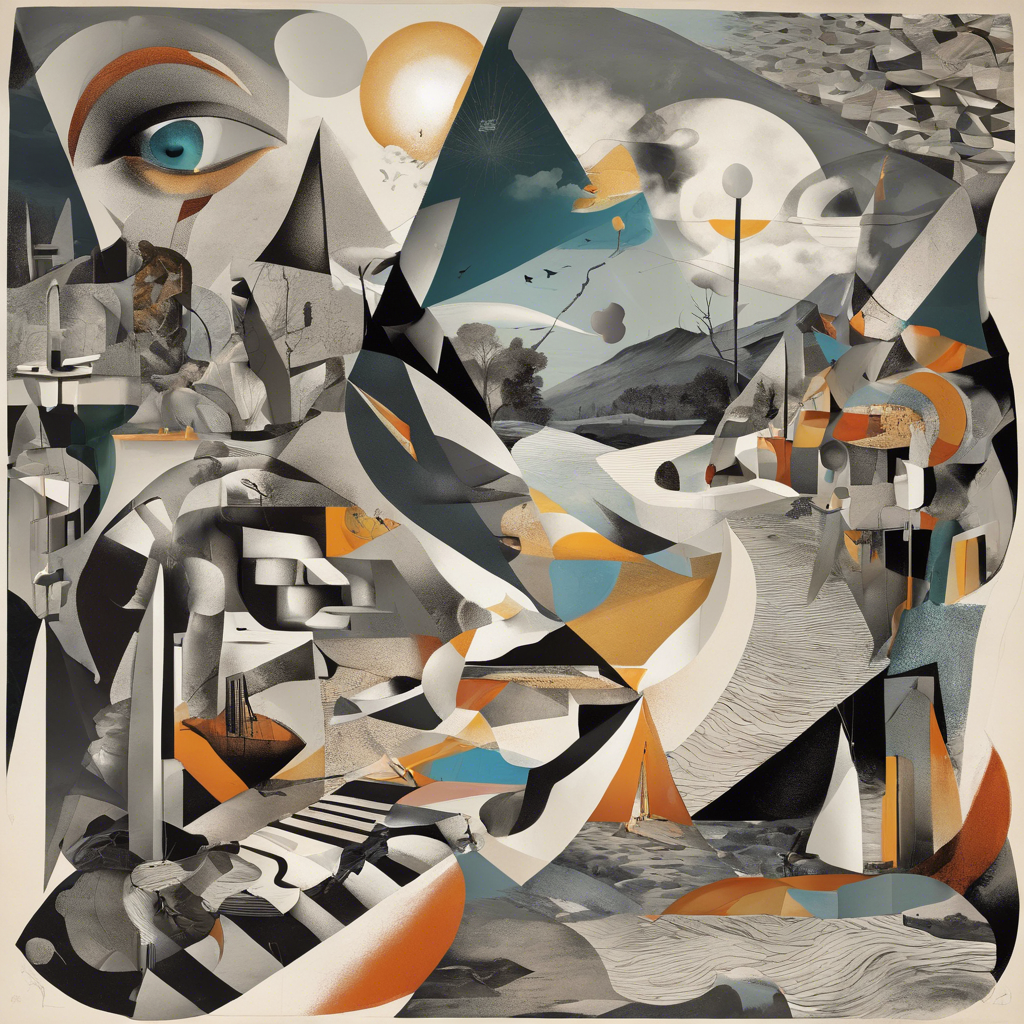
- Art movements such as Cubism deconstructed objects into geometric forms, challenging viewers to engage with images in interpretative ways rather than accepting them as direct representations.
- In literature, novelists like Virginia Woolf and James Joyce utilized stream-of-consciousness techniques to delve into the inner thoughts and emotions of characters, moving beyond a sole focus on external actions.
Innovative Forms and Techniques in Modernism
Modernist artists and writers pioneered groundbreaking forms and techniques that both astonished and confused audiences of the time. They ventured into experimental use of perspective, narrative structures, and various mediums, relentlessly pushing boundaries to authentically portray modern life and culture.
- The narrative fragmentation allowed for multiple perspectives and non-linear storytelling, vividly illustrated in Woolf's 'To the Lighthouse' and Joyce's 'Ulysses.'
- Visual artists like Salvador Dalí and René Magritte embraced surrealism, crafting dreamlike images that powerfully challenged conventional perceptions of reality.
Alienation and Fragmentation in Modernist Themes
A prevalent theme within Modernism is the exploration of alienation, disconnection, and the fragmentation experienced by individuals in society. This creative response emerged from the upheavals of rapid industrialization, global conflict, and shifting social norms, all contributing to feelings of uncertainty and disorientation in the modern age.
- T.S. Eliot's literary masterpiece 'The Waste Land' exemplifies profound feelings of desolation and fragmentation in the aftermath of World War I.
- Distorted figures and chaotic scenes in visual artworks symbolize the breakdown of established values and norms brought about by the complexities of modernity.
Conclusion
In conclusion, Modernism drastically reshaped the landscape of art and literature by confronting and challenging traditional representations of reality. Through the rejection of realism, the introduction of innovative forms, and the exploration of complex themes, Modernism effectively mirrored the intricacies of modern existence. Its enduring influence continues to shape contemporary thought and artistic practices.
Expert Quote
Dr. Michael Levenson, Professor of English at the University of Virginia
Modernism is defined by its willingness to explore new forms and techniques while simultaneously expressing the sense of fragmentation in modern life, reflecting the deep uncertainties of the era.
‘The Cambridge Companion to Modernist Literature,’ Cambridge University Press, 2010
Relevant Links
How Photography Pioneered a New Understanding of Art
https://www.thecollector.com/how-photography-transformed-art/Postmodern literature | Art and Literature Class Notes | Fiveable
https://library.fiveable.me/art-and-literature/unit-5/postmodern-literature/study-guide/y4tvjvMhTIvF4Dp9Virginia Woolf: A Guide for the Perplexed – RhysTranter.com
https://rhystranter.com/2017/05/04/virginia-woolf-guide/Modernism - Wikipedia
https://en.wikipedia.org/wiki/ModernismUnit 4 (chapter 13) History of Graphic Design Flashcards | Quizlet
https://quizlet.com/328756826/unit-4-chapter-13-history-of-graphic-design-flash-cards/YouTube Videos
Most popular questions

How Do The Personal Relationships Among Gods Affect Their Decisions In The Iliad?
The intricate relationships among the gods in Homer's epic poem 'The Iliad' play a crucial role in shaping their actions and decisions. These divine interactions create a complex web of fates, where each god's personal alliances and rivalries directly influence the events of the mortal world.

What Strategies Can Parents Use To Educate Their Children About Online Safety Beyond Privacy Settings?
In today's digital landscape, teaching children about online safety is essential for their protection and well-being. While privacy settings play a critical role, parents can implement various strategies to create a thorough understanding of online safety principles among their children.
What Are The Different Types Of Insulation Materials Commonly Used In Buildings, And How Do They Compare In Terms Of Thermal Resistance?
Insulation materials are vital for enhancing energy efficiency in residential and commercial buildings by minimizing heat transfer. Understanding the various insulation types can lead to better choices for thermal resistance and overall comfort.
Most recent questions
In What Ways Do Culinary Festivals Foster Cultural Exchange Among Different Communities, Akin To The Role Of Art And Music Festivals?
Culinary festivals are dynamic celebrations of food that highlight cultural diversity and foster cultural exchange. These vibrant events connect communities through the universal appeal of cuisine, showcasing the creativity, heritage, and distinctive flavors that each culture contributes to the culinary world.
What Are The Most Effective Social Media Platforms For Discussing Travel Experiences, And How Do Their Audiences Vary?
Exploring travel experiences on social media offers a dynamic and engaging way to share and discover adventures around the world. Each platform caters to specific audiences with unique features that enhance storytelling, making social media an essential tool for travelers.
If You Could Choose Between Teleportation Or Time Travel, Which Would You Choose And Why?
Choosing between teleportation and time travel is a captivating exploration that merges elements of science fiction with profound philosophical inquiries about existence and decision-making. Each extraordinary ability offers unique advantages and challenges, influencing our understanding of time and space.