In What Ways Did The Trade Along The Silk Road Influence The Economic Structures Of Participating Regions?
Introduction
The Silk Road was an extensive network of trade routes that enabled commerce, cultural exchange, and the sharing of ideas between the East and West. Its profound impact on the economic systems of participating regions reshaped societies and cultures over centuries, making it a pivotal element in world history.
The Economic Impact of the Silk Road on Global Trade
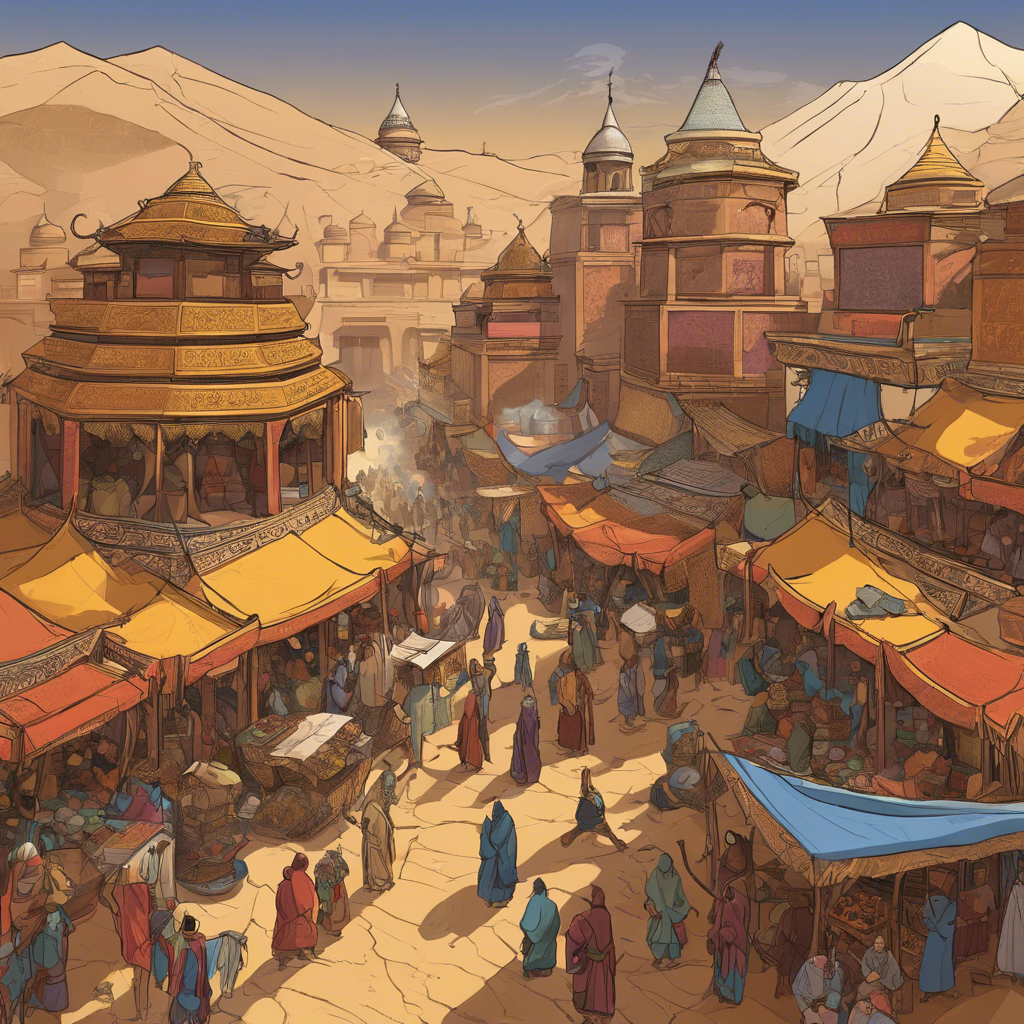
The Silk Road revolutionized economies across various civilizations by introducing new trade goods and expanding markets. This led to increased wealth and shifts in social structures. Cities positioned along the Silk Road became dynamic trade centers where merchants not only exchanged goods, but also shared knowledge and culture. The growing demand for luxurious silk from China, exotic spices from India, and precious metals from Europe initiated significant economic changes as local economies specialized in certain commodities like textiles and ceramics.
- Introduction of diverse markets and valuable trading goods such as silk, spices, and gemstones.
- Emergence of urban centers that evolved into essential commercial hubs.
- Implementation of innovative financial tools, including letters of credit and bills of exchange.
Cultural and Technological Innovations Through the Silk Road
Alongside goods, the Silk Road was a conduit for the exchange of ideas, technologies, and cultural practices. This cultural transmission was critical for advancements in fields like mathematics, astronomy, and medicine. Notably, the introduction of papermaking technology from China to the West and the dissemination of Buddhist teachings, as well as the contributions of Persian and Arab scholars, illustrate the extensive impacts of this trade network on global civilization.
- Spread of knowledge with significant advancements in science and technology.
- Cultural intersections resulting in the proliferation of religions, including Buddhism, Islam, and Christianity.
- Influential impact on arts, literature, and philosophy that enriched various cultural landscapes.
Conclusion
The trade networks established along the Silk Road had a remarkable influence on the economic structures and cultural dynamics of participating cities and regions. This led to enhanced wealth, cultural exchanges, and significant advancements in numerous disciplines. The legacies of these historic developments continue to shape our global trade systems and cultural practices today.
Expert Quote
Dr. Susan Whitfield, Director of Research at the International Dunhuang Project
The Silk Road was a dynamic network that not only facilitated trade but also profoundly influenced the economies and cultures of participating regions, leading to unprecedented exchanges of goods, ideas, and technologies across continents.
Book: 'Silk Roads: Highways of Culture and Commerce'
Relevant Links
The Silk Road: Connecting People and Cultures | Smithsonian ...
https://festival.si.edu/2002/the-silk-road/the-silk-road-connecting-peoples-and-cultures/smithsonianAbout the Silk Roads | Silk Roads Programme
https://en.unesco.org/silkroad/about-silk-roadsChina's Massive Belt and Road Initiative | Council on Foreign ...
https://www.cfr.org/backgrounder/chinas-massive-belt-and-road-initiativeDid you know?: The Spread of Islam in Southeast Asia through the ...
https://en.unesco.org/silkroad/content/did-you-know-spread-islam-southeast-asia-through-trade-routesThe Belt and Road Initiative: A Key Pillar of the Global Community of ...
http://www.beltandroadforum.org/english/n101/2023/1010/c124-895.htmlYouTube Videos
Most popular questions

How Do The Personal Relationships Among Gods Affect Their Decisions In The Iliad?
The intricate relationships among the gods in Homer's epic poem 'The Iliad' play a crucial role in shaping their actions and decisions. These divine interactions create a complex web of fates, where each god's personal alliances and rivalries directly influence the events of the mortal world.

What Strategies Can Parents Use To Educate Their Children About Online Safety Beyond Privacy Settings?
In today's digital landscape, teaching children about online safety is essential for their protection and well-being. While privacy settings play a critical role, parents can implement various strategies to create a thorough understanding of online safety principles among their children.
What Are The Different Types Of Insulation Materials Commonly Used In Buildings, And How Do They Compare In Terms Of Thermal Resistance?
Insulation materials are vital for enhancing energy efficiency in residential and commercial buildings by minimizing heat transfer. Understanding the various insulation types can lead to better choices for thermal resistance and overall comfort.
Most recent questions
What Impact Does Social Media Networking Have On The Promotion Of New Music Genres Compared To Classical Music?
The influence of social media networking on promoting new music genres, especially in contrast to classical music, has significantly transformed how artists engage with their audiences. This change has created a vibrant environment where music discovery and fan interaction occur rapidly and on a large scale.
What Are Some Vegetarian Side Dishes That Complement Grilled Meats And Wine?
Pairing flavorful vegetarian side dishes with grilled meats and fine wine heightens the overall dining experience while creating a balanced and delicious meal. Whether you're hosting a summer barbecue or enjoying a cozy dinner at home, these vegetarian side options can significantly enhance your menu.
How Does The Rise Of Digital Platforms Affect The Accessibility Of Traditional Publishing For New Authors?
The evolution of digital publishing platforms has dramatically reshaped the traditional publishing industry, presenting both exciting opportunities and significant challenges for emerging authors. This digital transformation fosters avenues for self-publishing and enhances access to diverse audiences while simultaneously altering the operational dynamics of traditional publishing houses.