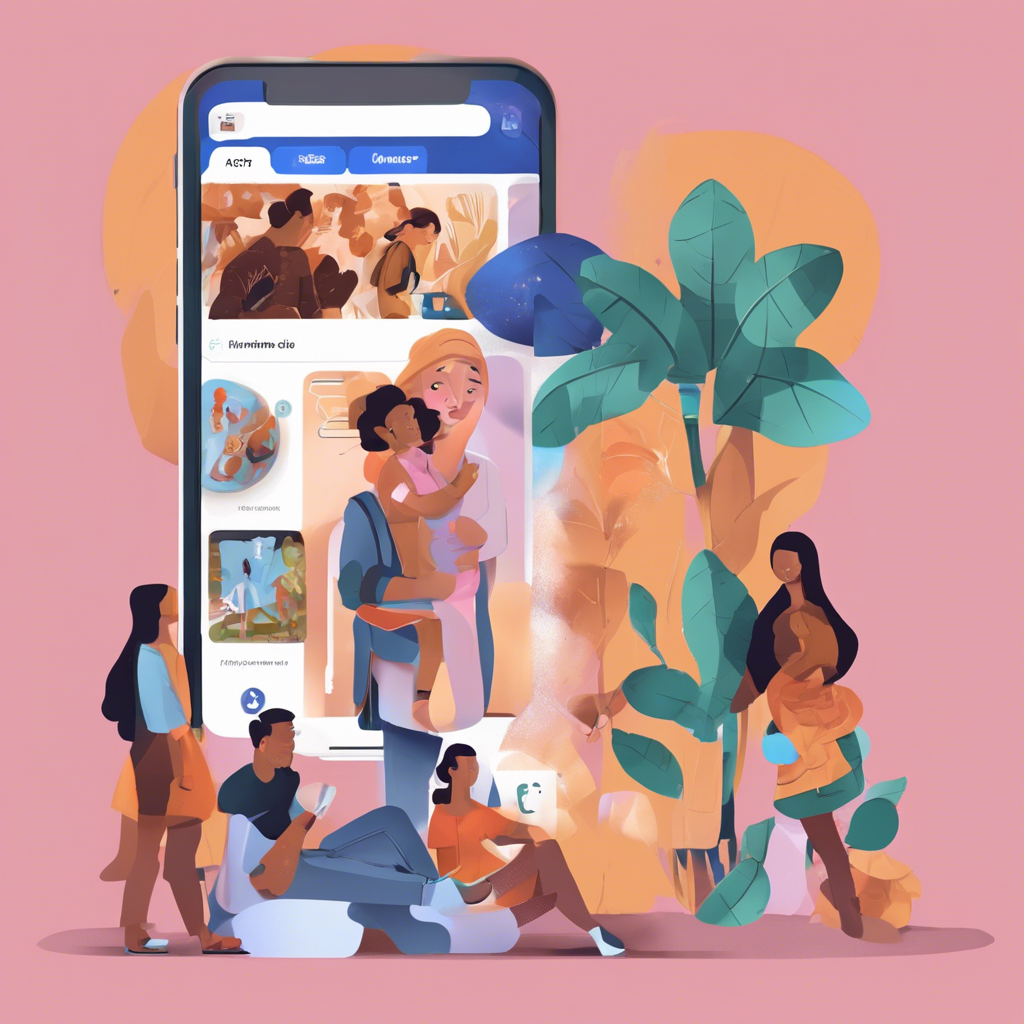
In What Ways Do Cultural Norms Influence The Types Of Social Media Platforms Preferred By Parents And Teenagers?
Introduction
Cultural norms significantly influence the social media preferences of various demographic groups, particularly parents and teenagers. This impact is evident as both groups select platforms that resonate with their cultural values and social demands, affecting their online interactions and engagement.
Cultural Values Impacting Social Media Choices
Cultural norms define preferences regarding communication styles, privacy considerations, and societal behaviors. Parents are generally focused on security and appropriate content, favoring social media platforms that enhance family connections and ensure the safety of their children. On the other hand, teenagers, driven by peer validation and the latest trends, tend to prefer platforms that enable engaging, dynamic experiences, such as TikTok and Snapchat, which cater to their social needs more effectively.
- Parents prioritize social media platforms with robust privacy controls designed to protect their children.
- Teenagers prefer platforms that emphasize spontaneous interaction, creative content, and the latest trends.
Social Media Usage Across Generations
The generational divide creates a spectrum of functionalities that attract different user groups. Teenagers often enjoy the excitement of the latest trends and visually appealing content, whereas parents typically seek substantial interactions that foster a sense of community and connection. This difference encapsulates not only age-related preferences but also wider cultural attitudes surrounding technology and social interactions, emphasizing distinct priorities in online behavior.
- Teenagers gravitate towards platforms like TikTok and Snapchat which concentrate on visual appeal and temporary content.
- Parents frequently utilize Facebook for its perceived stability and may also engage with Instagram primarily for community networking rather than merely familial connections.
Influence of Peers on Social Media Engagement
Cultural contexts heavily influence identity development through peer interactions. Teenagers are more likely to embrace social media trends that shape their social identities, thus favoring platforms that offer high visibility and social endorsement. In contrast, parents value platforms that enhance family interactions, promote long-distance communication, and encourage community involvement, reflecting their own social priorities.
- Teen bullying and peer influence often drive teenagers to increase their usage of certain platforms that are known for social validation.
- Parents tend to promote the use of platforms for sharing family updates and maintaining connections with extended family members.
Conclusion
A comprehensive understanding of cultural norms is crucial for analyzing why parents and teenagers prefer specific social media platforms. As cultural values shift, the digital engagement strategies for both groups will also evolve, highlighting the necessity for adaptability in the ever-changing landscape of social media.
Expert Quote
Dr. Danah Boyd, Author and Researcher
Social media platforms are not just technological tools; they are shaped by the cultural contexts in which they are used, reflecting the values and needs of their users across different generations.
It's Complicated: The Social Lives of Networked Teens, 2014
Relevant Links
Social and Cultural Contexts of Alcohol Use: Influences in a Social ...
https://pmc.ncbi.nlm.nih.gov/articles/PMC4872611/Social influences on eating - ScienceDirect
https://www.sciencedirect.com/science/article/pii/S235215461500131XAdolescent Peer Influence on Eating Behaviors via Social Media ...
https://pmc.ncbi.nlm.nih.gov/articles/PMC8212626/“Why don't I look like her?” How adolescent girls view social media ...
https://bmcwomenshealth.biomedcentral.com/articles/10.1186/s12905-022-01845-4Our Epidemic of Loneliness and Isolation
https://www.hhs.gov/sites/default/files/surgeon-general-social-connection-advisory.pdfYouTube Videos
Most popular questions

How Do The Personal Relationships Among Gods Affect Their Decisions In The Iliad?
The intricate relationships among the gods in Homer's epic poem 'The Iliad' play a crucial role in shaping their actions and decisions. These divine interactions create a complex web of fates, where each god's personal alliances and rivalries directly influence the events of the mortal world.

What Strategies Can Parents Use To Educate Their Children About Online Safety Beyond Privacy Settings?
In today's digital landscape, teaching children about online safety is essential for their protection and well-being. While privacy settings play a critical role, parents can implement various strategies to create a thorough understanding of online safety principles among their children.
What Are The Different Types Of Insulation Materials Commonly Used In Buildings, And How Do They Compare In Terms Of Thermal Resistance?
Insulation materials are vital for enhancing energy efficiency in residential and commercial buildings by minimizing heat transfer. Understanding the various insulation types can lead to better choices for thermal resistance and overall comfort.
Most recent questions
How Does Nostalgia Impact Audience Perception Of Remakes And Reboots In Film?
Nostalgia, a deeply-rooted emotion characterized by a sentimental longing for the past, significantly shapes how audiences perceive film remakes and reboots. This emotional connection is vital, influencing viewer expectations, enjoyment levels, and critical reception of these cinematic works, ultimately determining their success or failure in the competitive film industry.
How Do Sponsors And Advertisers Perceive The Value Of Hybrid Sports And Esports Events Compared To Traditional Formats?
The surge in popularity of hybrid sports and esports is reshaping the world of sporting events, captivating sponsors and advertisers alike. As the landscape shifts, it is imperative to analyze how these stakeholders perceive the value of these innovative formats compared to traditional sports.
How Do Independent Filmmakers Utilize Social Media To Engage With Niche Audiences Compared To Mainstream Films?
Independent filmmakers are leveraging the power of social media to engage deeply with niche audiences, a strategy that often eludes mainstream films. By producing tailored content and actively interacting with their followers, independent creators are fostering dedicated communities that support their projects and vision.