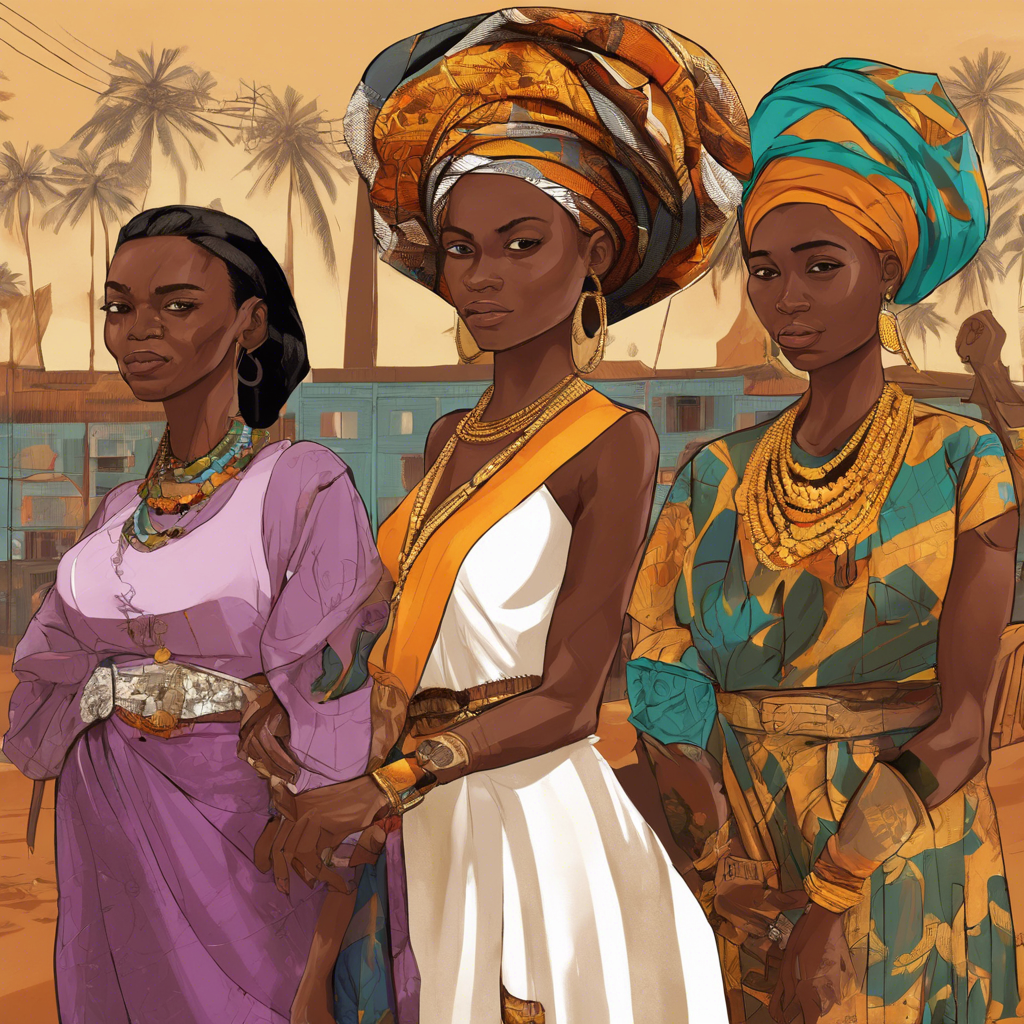
In What Ways Do Gender Dynamics Intersect With Class Issues In Post-colonial African Literature?
Introduction
The intersection of gender dynamics and class issues in post-colonial African literature serves as a profound area for analysis, illuminating the complexities of identity, socio-economic status, and cultural heritage. Understanding this relationship is essential for deciphering the narratives presented in these literary works, providing valuable insights into the experiences of characters shaped by various forms of oppression.
Exploring Gender and Class in Post-Colonial Literature
Post-colonial African literature frequently examines the effects of colonialism on societal structures, specifically how class status influences gender roles. Numerous narratives depict women experiencing the dual burdens of colonial oppression and social inequities, highlighting the compounded struggles they endure. The class structures stemming from colonial history significantly define the power dynamics through which gender is articulated and experienced. Consequently, the intersection of gender and class reveals the complex and multifaceted nature of characters' challenges and resilience.
- Colonial legacies establish class hierarchies that disproportionately impact women.
- Gender roles are often reinforced yet simultaneously challenged within class dynamics.
- Literary figures navigate the complexities of gender expectations alongside economic challenges.
Illustrative Examples from Influential Authors
Prominent authors depict the intricate relationship between gender and class through their characters and narratives. Chinua Achebe critically explores the transformations in gender roles within traditional societies in response to colonial influences, particularly evident in his landmark work "Things Fall Apart," which showcases the evolving roles of women during societal change. Buchi Emecheta, in her poignant narratives such as "The Joys of Womanhood," emphasizes the challenges faced by Nigerian women amid male oppression and economic adversity. These literary examples provide readers with a richer understanding of the intersections between gender and class in various cultural contexts.
- Achebe’s depiction of female characters adapting to new societal norms post-colonialism.
- Emecheta's examination of women's resilience against economic hardship and patriarchal structures.
- Nadine Gordimer's insights into the intersections of race, gender, and economic inequality.
Conclusion
In conclusion, post-colonial African literature vividly portrays the intricate interplay between gender dynamics and class issues. Through the diverse perspectives of various authors and their narratives, readers can gain a deeper appreciation for how these interconnected social structures shape identities and experiences. This exploration enhances our understanding of the broader socio-economic landscapes within post-colonial societies.
Expert Quote
Professor Obioma Nnaemeka, Gender Studies Scholar and Professor at Butler University
In post-colonial Africa, the struggle for women is compounded by their economic status; understanding their narratives requires an intersectional approach that accounts for both gender and class.
Nnaemeka, O. (2010). Gender and African Literature: A Post-Colonial Reading. In The Gender and Politics of Post-Coloniality. Edinburgh University Press.
Relevant Links
Doing postcolonial gender: an approach to justifying rights ...
https://www.tandfonline.com/doi/full/10.1080/25729861.2021.1984040Undergraduate Course Information | Women's, Gender, and ...
https://wgs.tcnj.edu/courses/undergraduate-course-information/Course Descriptions - American Studies
https://www.trincoll.edu/american/course-descriptions/Gender and Sexuality Studies
https://catalog-archive.bates.edu/index6c54.htmlAfricana Studies (AFRC) < University of Pennsylvania
https://catalog.upenn.edu/courses/afrc/YouTube Videos
Most popular questions

How Do The Personal Relationships Among Gods Affect Their Decisions In The Iliad?
The intricate relationships among the gods in Homer's epic poem 'The Iliad' play a crucial role in shaping their actions and decisions. These divine interactions create a complex web of fates, where each god's personal alliances and rivalries directly influence the events of the mortal world.

What Strategies Can Parents Use To Educate Their Children About Online Safety Beyond Privacy Settings?
In today's digital landscape, teaching children about online safety is essential for their protection and well-being. While privacy settings play a critical role, parents can implement various strategies to create a thorough understanding of online safety principles among their children.
What Are The Different Types Of Insulation Materials Commonly Used In Buildings, And How Do They Compare In Terms Of Thermal Resistance?
Insulation materials are vital for enhancing energy efficiency in residential and commercial buildings by minimizing heat transfer. Understanding the various insulation types can lead to better choices for thermal resistance and overall comfort.
Most recent questions
How Do Regional Cultural Values Affect The Perception Of Competition In Esports Versus Traditional Sports?
Regional cultural values significantly shape perceptions of competition in various areas, influencing both esports and traditional sports. Understanding these cultural frameworks is essential to explaining the differing attitudes and levels of fan engagement across diverse regions and communities.
How Does The Integration Of Multimedia In Digital Narratives Enhance Audience Engagement Compared To Traditional Storytelling Methods?
The integration of multimedia in digital storytelling significantly transforms how narratives are conveyed and experienced. Unlike traditional storytelling, which typically relies on text or spoken word, multimedia storytelling fuses various formats such as images, audio, video, and interactive elements, resulting in a richer and more engaging experience for the audience.
What Desserts Would Contrast Nicely With A Seafood Main Dish?
When it comes to pairing desserts with seafood dishes, it's essential to select flavors that both contrast and enhance the meal. Seafood typically features a light and fresh profile, making desserts with sweet, fruity, or creamy elements the perfect complement to elevate the dining experience.