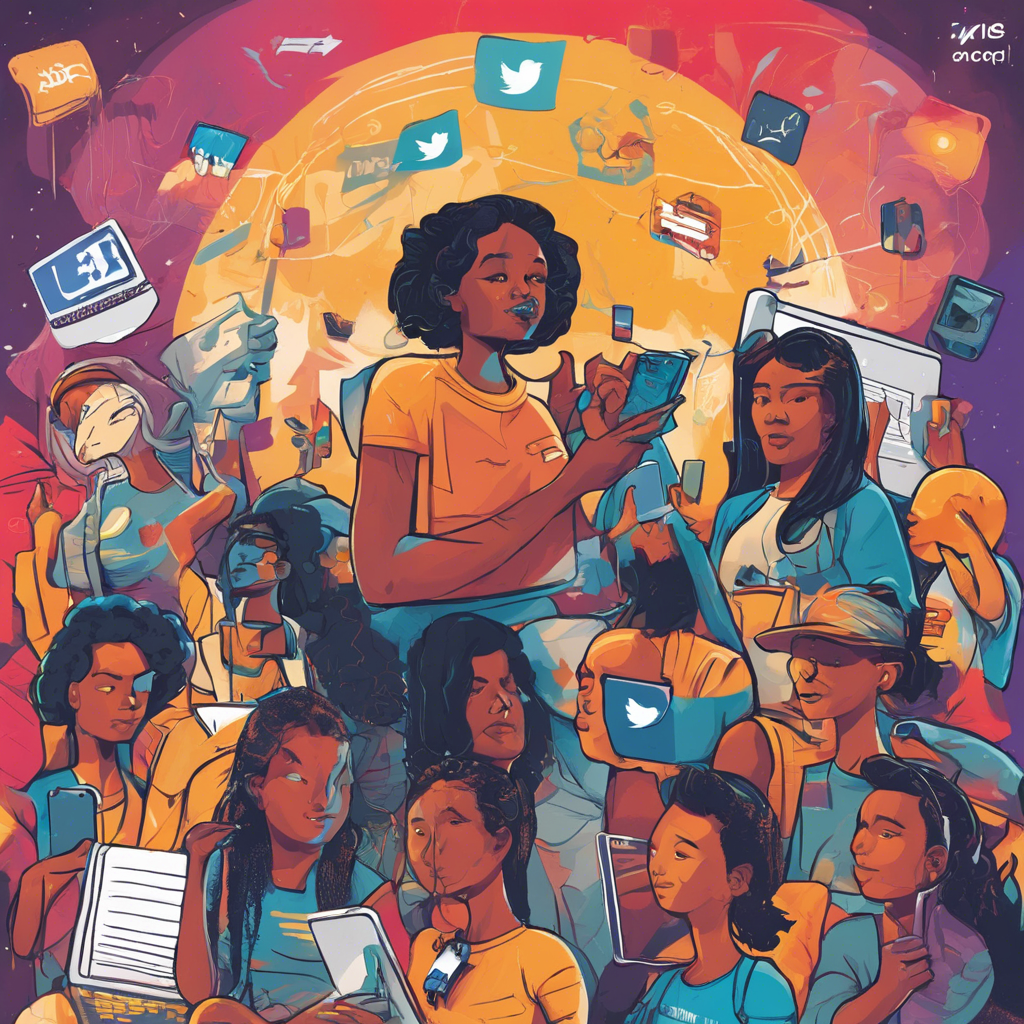
In What Ways Do Social Media Platforms Facilitate Or Hinder Dialogue Between Different Stakeholders In Social Justice Movements?
Introduction
Social media platforms play a vital role in shaping discussions surrounding social justice movements. Their capacity to connect a diverse range of stakeholders enhances dialogue, yet they can also introduce challenges that hinder productive conversations.
Facilitating Effective Dialogue
Social media platforms offer an immediate and wide-reaching environment for dialogue among various stakeholders, including activists, organizations, and the general public. These digital platforms allow users to share their perspectives, mobilize support, and amplify critical social justice messages. Key ways they enhance dialogue include:
- Real-time communication fosters immediate discussions and valuable feedback, creating a sense of community engagement.
- Hashtags effectively create cohesive threads of conversation, simplifying the process of following and contributing to specific social movements.
- The open nature of social media ensures diverse voices are heard, enabling participation from anyone with internet access, resulting in richer discussions that include marginalized perspectives.
Challenges to Productive Dialogue
While social media has the potential to enhance dialogue, it can also impede productive conversations. The algorithms that govern content sharing may contribute to echo chambers or create hostile environments, discouraging open communication. Significant challenges include:
- The rapid spread of misinformation can lead to confusion and erode trust among stakeholders, undermining credible discourse.
- Harassment and negative comments can prevent individuals—especially those from marginalized communities—from participating in discussions, leading to self-censorship.
- Social media often prioritizes sensationalism over nuanced debate, oversimplifying complex issues and promoting divisive rhetoric that undermines productive dialogue.
Achieving a Balanced Approach
To maximize the advantages of social media for social justice initiatives while addressing its challenges, stakeholders must develop strategies that encourage constructive dialogue. Suggested strategies include:
- Establishing community guidelines that promote respectful and understanding discussions among participants.
- Implementing thorough fact-checking initiatives to combat misinformation effectively and enhance the quality of discourse.
- Utilizing community-driven content moderation to create safe spaces for dialogue and foster trust among users.
Conclusion
In conclusion, social media platforms possess significant potential to enhance dialogue within social justice movements. However, they also pose considerable challenges. Recognizing these dynamics is essential for activists and organizations striving to cultivate inclusive and meaningful conversations.
Expert Quote
Dr. Zeynep Tufekci, Sociologist and Author
Social media can serve as both a powerful tool for mobilization and a barrier to meaningful engagement, often amplifying division and misinformation, which can undermine the very movements that seek to address social injustices.
Book: "Twitter and Tear Gas: The Power and Fragility of Networked Protest" (2017)
Relevant Links
Social Media Misinformation and the Prevention of Political ...
https://www.stimson.org/2022/social-media-misinformation-and-the-prevention-of-political-instability-and-mass-atrocities/Community Engagement: An Essential Component of an Effective ...
https://store.samhsa.gov/sites/default/files/pep22-06-01-005.pdfCreating an Inclusive Society: Practical Strategies to Promote Social ...
https://www.un.org/esa/socdev/egms/docs/2009/Ghana/inclusive-society.pdfStandards for Technology in Social Work Practice
https://www.socialworkers.org/Practice/NASW-Practice-Standards-Guidelines/Standards-for-Technology-in-Social-Work-PracticeThe role of social media in early peacemaking: Help or hindrance ...
https://www.c-r.org/accord/pioneering-peace-pathways/role-social-media-early-peacemaking-help-or-hindranceYouTube Videos
Most popular questions

How Do The Personal Relationships Among Gods Affect Their Decisions In The Iliad?
The intricate relationships among the gods in Homer's epic poem 'The Iliad' play a crucial role in shaping their actions and decisions. These divine interactions create a complex web of fates, where each god's personal alliances and rivalries directly influence the events of the mortal world.

What Strategies Can Parents Use To Educate Their Children About Online Safety Beyond Privacy Settings?
In today's digital landscape, teaching children about online safety is essential for their protection and well-being. While privacy settings play a critical role, parents can implement various strategies to create a thorough understanding of online safety principles among their children.
What Are The Different Types Of Insulation Materials Commonly Used In Buildings, And How Do They Compare In Terms Of Thermal Resistance?
Insulation materials are vital for enhancing energy efficiency in residential and commercial buildings by minimizing heat transfer. Understanding the various insulation types can lead to better choices for thermal resistance and overall comfort.
Most recent questions
How Do Changes In Consumer Preferences For Music Genres Affect The Pricing Strategies Of Music Streaming Services?
The evolving preferences of consumers in music genres play a crucial role in shaping the pricing strategies of music streaming services. As listeners' tastes continually change, these platforms must adapt their pricing models to navigate a competitive and rapidly changing market effectively.
How Do Modern Entertainment Platforms Affect Audience Engagement With Traditional Films?
The rise of modern entertainment platforms has significantly changed how audiences interact with traditional films. This transformation is reshaping film experiences, viewing habits, and audience expectations in the digital age.
In What Ways Do Streaming Platforms Impact The Marketing And Audience Reach Of Emerging African Filmmakers?
Streaming platforms have dramatically transformed content consumption and distribution, particularly for emerging African filmmakers. This shift presents unique marketing opportunities and challenges in reaching diverse audiences. This FAQ explores the influence of streaming services on the filmmaking landscape in Africa.