In What Ways Do Streaming Services Promote Classical Music Differently Than Social Media Platforms?
Introduction
Exploring the differences in how streaming services and social media platforms promote classical music reveals unique marketing strategies tailored to their specific audiences and functionalities. This analysis sheds light on the promotional techniques of these platforms and how they enhance the appreciation of classical music among diverse audiences.
Effective Promotion Strategies of Streaming Services for Classical Music
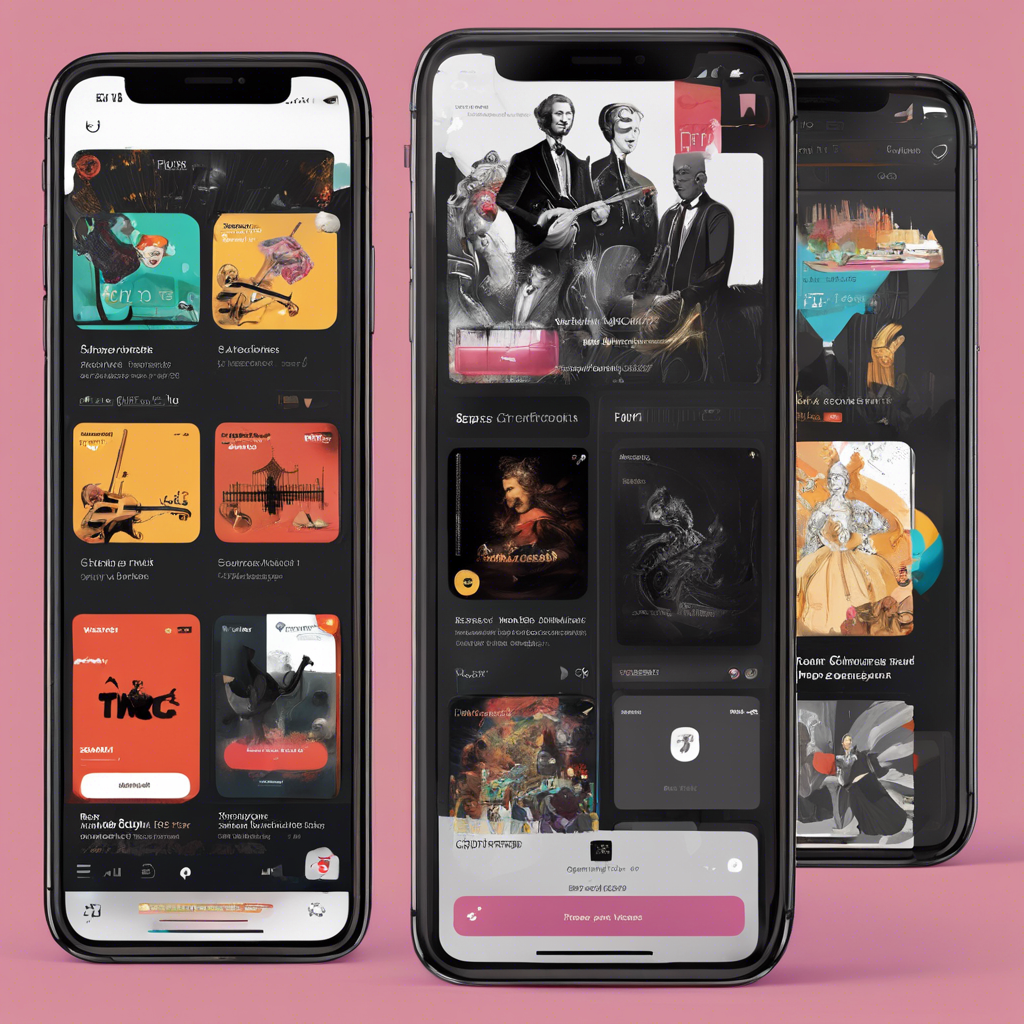
Streaming services such as Spotify, Apple Music, and Tidal specialize in delivering classical music through curated playlists, extensive libraries, and personalized recommendations. Their primary goal is to enrich the user experience by offering seamless access to a wide array of classical compositions, renowned artists, and high-quality recordings all in one platform.
- Curated playlists centered around classical music themes, moods, composers, or historical periods.
- Personalized music recommendations based on users' listening habits to help discover hidden classical gems.
- High-fidelity audio formats, including lossless and high-resolution options, attracting classical music audiophiles and enthusiasts.
- Detailed artist profiles featuring biographies and discographies to educate listeners on classical music history and context.
Social Media Platforms Driving Community Engagement in Classical Music
Social media platforms like Instagram, Facebook, and TikTok adopt a different promotional approach, emphasizing community engagement and visual storytelling. They capitalize on user-generated content, promoting classical music via short clips, live streams, and behind-the-scenes insights, effectively appealing to younger audiences and encouraging viral participation.
- Short, engaging video clips showcasing live performances or unique interpretations of classical pieces.
- Real-time engagement with classical artists through Q&A sessions, live broadcasts, and personal stories about their musical journeys.
- Viral trends that creatively incorporate classical music, expanding outreach to broader and younger demographics.
- Interactive social media posts that invite followers to share their favorite classical compositions or personal music experiences.
Conclusion
In conclusion, streaming services offer a comprehensive and personalized listening experience for classical music, while social media platforms create an engaging environment that fosters community interaction, creativity, and greater accessibility. Both platforms are crucial in promoting classical music, albeit through distinctive methodologies designed to leverage their unique strengths in the digital arena.
Expert Quote
Dr. Anna D. M. Witt, Musicologist and Director of the Institute for Classical Music Research
Streaming platforms curate classical music in ways that deepen listener engagement through personalized experiences, while social media democratizes access, creating vibrant communities around classical repertoire.
Article in Music & Society Journal, 2022
Relevant Links
Musicians don't make enough money from streams, but how much ...
https://www.reddit.com/r/WeAreTheMusicMakers/comments/10a8ydd/musicians_dont_make_enough_money_from_streams_but/How many are successful on Spotify with Orchestral Music?
https://vi-control.net/community/threads/how-many-are-successful-on-spotify-with-orchestral-music.71763/Every music distribution company is a scam, how do I publish music ...
https://www.reddit.com/r/musicproduction/comments/p5bew7/every_music_distribution_company_is_a_scam_how_do/Radical Face Dot Com
https://www.radicalface.com/I'm bad at social media as a music artist, how do I do? : r ...
https://www.reddit.com/r/WeAreTheMusicMakers/comments/t2qa8i/im_bad_at_social_media_as_a_music_artist_how_do_i/YouTube Videos
Most popular questions

How Do The Personal Relationships Among Gods Affect Their Decisions In The Iliad?
The intricate relationships among the gods in Homer's epic poem 'The Iliad' play a crucial role in shaping their actions and decisions. These divine interactions create a complex web of fates, where each god's personal alliances and rivalries directly influence the events of the mortal world.

What Strategies Can Parents Use To Educate Their Children About Online Safety Beyond Privacy Settings?
In today's digital landscape, teaching children about online safety is essential for their protection and well-being. While privacy settings play a critical role, parents can implement various strategies to create a thorough understanding of online safety principles among their children.
What Are The Different Types Of Insulation Materials Commonly Used In Buildings, And How Do They Compare In Terms Of Thermal Resistance?
Insulation materials are vital for enhancing energy efficiency in residential and commercial buildings by minimizing heat transfer. Understanding the various insulation types can lead to better choices for thermal resistance and overall comfort.
Most recent questions
What Are The Psychological Effects Of Scoring Systems In Competitive Games Like Poker Or Bridge?
In competitive card games like Poker and Bridge, understanding scoring systems is crucial not only for determining winners but also for influencing players' psychological dynamics. By grasping these effects, participants can enhance their gameplay and overall experience in these strategic card games.
What Are The Primary Target Demographics For Sponsors In Esports Events Compared To Live Music Concerts?
Esports and live music concerts attract a varied audience; however, their target demographics show significant differences that are crucial for shaping effective marketing strategies for sponsors.
How Does User-generated Content Influence Purchasing Decisions Among Millennials?
User-generated content, often abbreviated as UGC, is essential in influencing purchasing decisions, especially among Millennials who prioritize authenticity and relatability in their shopping experiences.