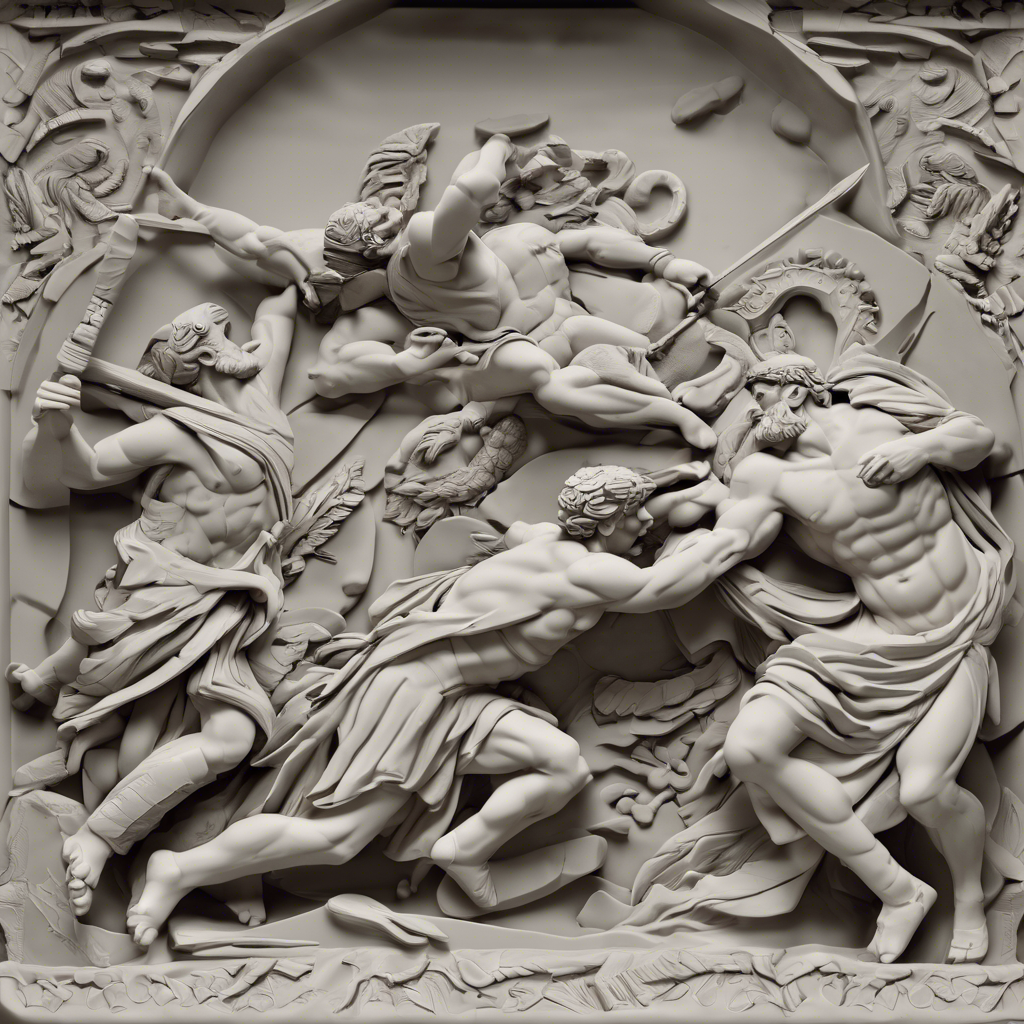
In What Ways Do The Conflicts Between The Greek Gods In The Iliad Enhance The Themes Of Fate And Free Will Within The Narrative?
Introduction
The Iliad, a monumental epic poem believed to be authored by Homer, intricately explores the conflicts between Greek gods and human beings, illustrating the profound themes of fate and free will. The interactions and disputes among deities are not mere embellishments; they are crucial to the storyline, shaping the fates of characters and demonstrating the tension between destiny and personal choice.
The Significance of Divine Conflicts in The Iliad
In The Iliad, the clashes among gods reflect and influence the struggles of mortals, often steering the narrative of the Trojan War. Each divine figure supports various factions, leading to confrontations that enrich the story and its themes. The gods frequently meddle in human affairs, illustrating their immense power and establishing a complex relationship with fate. Important examples include: 1. The dispute between Achilles and Agamemnon is ignited by divine intervention, showcasing how mortal conflicts can be amplified by the will of the gods. 2. The unpredictable nature of the gods highlights the randomness of existence, suggesting that fate can be both harsh and capricious. As characters grapple with their destinies, the actions of the gods reveal a belief in predetermined outcomes while also showcasing the choices that mortals make in response. This contrast raises the question of whether characters have genuine freedom to decide their paths or if they are simply pawns in a divine narrative game.
- Divine intervention frequently dictates the outcomes of battles, illustrating the conflict between fate and free will.
- Mortal conflicts, spurred by divine disputes, emphasize the influence of higher powers.
Exploring Fate and Free Will in Character Development
The themes of fate versus free will are further illuminated through the individual journeys of key characters like Achilles and Hector. Achilles represents the tension between accepting fate and exercising free will, particularly when he decides to withdraw from battle. Conversely, Hector embodies a character bound by duty and familial honor; however, his decisions ultimately lead him to his tragic end. The dynamic between these two concepts is illustrated in key moments such as: 1. Achilles' decision to rejoin the battle following Patroclus' death exemplifies his exertion of free will against a bleak destiny, demonstrating that he can choose to challenge fate. 2. Hector’s realization of his impending doom showcases his awareness of fate, yet he acts from love and duty, highlighting the complexities within his narrative arc. Through these varied storylines, The Iliad constructs a narrative that engages with the philosophical inquiry of whether individuals possess control over their destinies or if they are simply subject to the dictates of fate, thereby emphasizing the intricate relationship between choice and fate throughout the epic.
- Achilles' decision embodies the assertion of free will amid fate's backdrop.
- Hector’s choices reflect an ongoing battle between personal responsibility and the limits of fate.
Conclusion
The divine conflicts depicted in The Iliad serve as a crucial framework through which the themes of fate and free will are explored. They illuminate how characters navigate their predestined fates while making choices that reflect their individual agency. These complex interrelationships not only deepen the narrative but also resonate with timeless questions about destiny and choice, inviting readers to reflect on their own experiences with fate and free will.
Expert Quote
Dr. Emily Wilson, Professor of Classical Studies at the University of Pennsylvania
In The Iliad, the gods embody the chaotic forces of fate, often blurring the lines between divine purpose and human action. This interplay encourages readers to ponder the delicate balance between destiny and the choices that define us.
Introduction to The Iliad, Oxford University Press, 2017
Relevant Links
Themes in The Iliad by Homer | Overview, Moral Message ...
https://study.com/academy/lesson/themes-in-the-iliad.htmlThrone of Blood: Fate, Free Will and Villainy • Akira Kurosawa ...
https://akirakurosawa.info/forums/topic/throne-of-blood-fate-free-will-and-villainy/The Iliad and the Odyssey | EssayGenius
https://essaygenius.ai/essay/the-iliad-and-the-odysseyIliad/Themes - Gerald R. Lucas
https://grlucas.net/grl/Iliad/ThemesHomeric epics | World Literature I Class Notes | Fiveable | Fiveable
https://library.fiveable.me/world-literature-i/unit-2/homeric-epics/study-guide/AaA8UuAvllwbLBzCYouTube Videos
Most popular questions

How Do The Personal Relationships Among Gods Affect Their Decisions In The Iliad?
The intricate relationships among the gods in Homer's epic poem 'The Iliad' play a crucial role in shaping their actions and decisions. These divine interactions create a complex web of fates, where each god's personal alliances and rivalries directly influence the events of the mortal world.

What Strategies Can Parents Use To Educate Their Children About Online Safety Beyond Privacy Settings?
In today's digital landscape, teaching children about online safety is essential for their protection and well-being. While privacy settings play a critical role, parents can implement various strategies to create a thorough understanding of online safety principles among their children.
What Are The Different Types Of Insulation Materials Commonly Used In Buildings, And How Do They Compare In Terms Of Thermal Resistance?
Insulation materials are vital for enhancing energy efficiency in residential and commercial buildings by minimizing heat transfer. Understanding the various insulation types can lead to better choices for thermal resistance and overall comfort.
Most recent questions
What Role Does Audience Engagement Technology Play In Shaping Podcast Content And Distribution Strategies?
Audience engagement technology has revolutionized podcasting, allowing creators to enhance how their shows are developed, distributed, and consumed. By effectively utilizing listener data and innovative technologies, podcasters can tailor their content to better meet audience preferences and behaviors, leading to an improved and more engaging podcast experience.
In What Ways Do Cultural Preferences In Different Regions Impact The Types Of Content Offered By Streaming Services?
Streaming services have transformed the way we access media, but the content varied by region is heavily influenced by cultural preferences that shape viewer tastes and demands. Understanding these cultural influences is key to explaining why certain shows gain popularity in some areas while falling short in others.
How Does The Position Of A Player In A Team Sport Affect Their Role And Contribution To The Game?
In team sports, the designated position of each player is vital to their role and contribution to the team's overall performance. This positioning dynamic can be likened to the instruments in an orchestra, where every musician plays a crucial role to create harmonious music. Understanding player positions is key to successful sports participation.