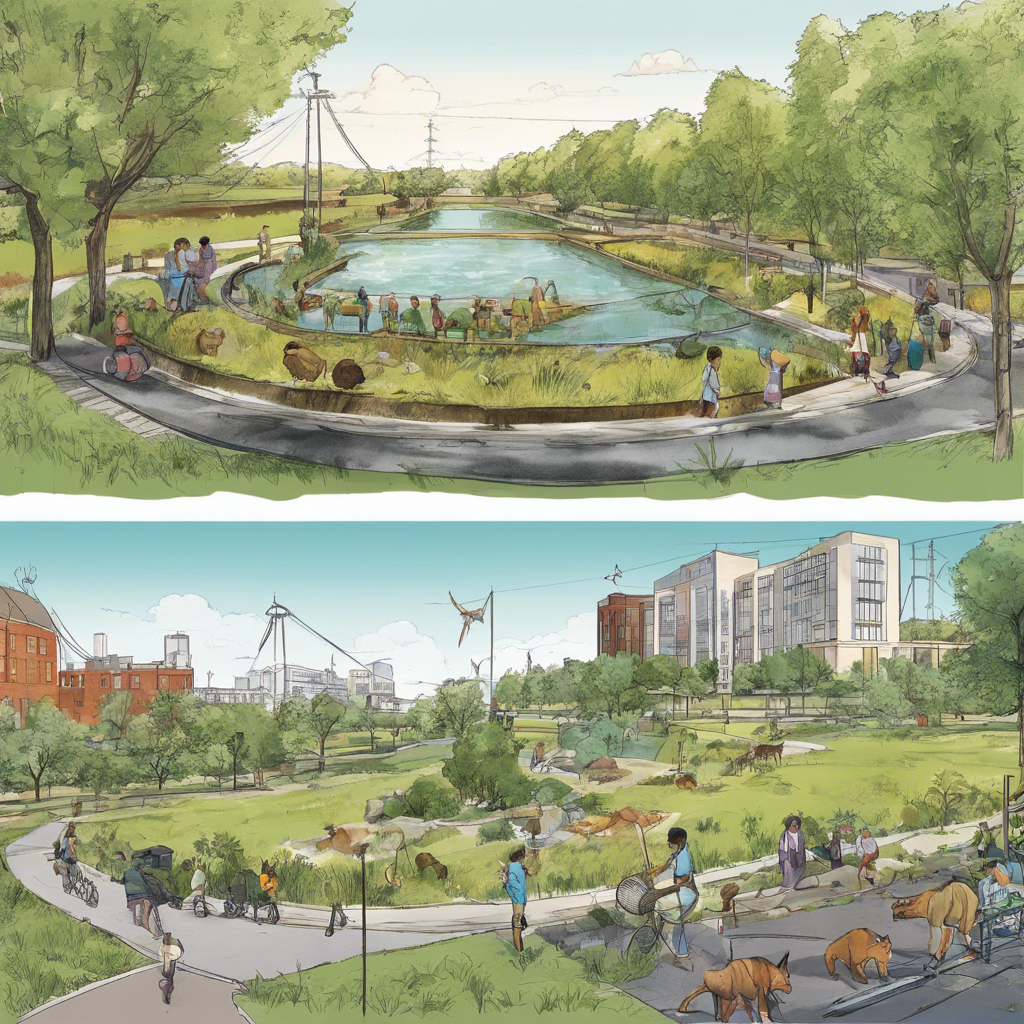
In What Ways Do Wildlife Conservation Strategies Differ In Urban Versus Rural Settings?
Introduction
Wildlife conservation strategies are essential for preserving ecosystems and protecting the diverse species that inhabit our planet. These conservation methods can differ significantly between urban and rural environments due to variations in ecosystem dynamics, human population density, and resource allocation. Recognizing these differences is crucial for implementing effective, tailored wildlife conservation practices that serve both biodiversity and human communities.
Urban Wildlife Conservation Strategies
In urban environments, where human activities largely dictate the landscape, wildlife conservation strategies concentrate on developing small-scale habitats, enhancing green spaces, and fostering community engagement. The primary challenges faced in cities include habitat fragmentation, pollution, urban heat islands, and space limitations for wildlife. Urban conservation initiatives aim to create and sustain habitats that can support diverse wildlife, even within densely populated areas.
- Development of urban green spaces such as parks, community gardens, and green roofs that double as wildlife corridors.
- Encouragement of community involvement in conservation activities through educational outreach, citizen science initiatives, and volunteer opportunities.
- Enforcement of policies designed to reduce pollution and mitigate human-wildlife conflicts, including the creation of wildlife-friendly crossings and the use of green infrastructure.
Rural Wildlife Conservation Strategies
Conversely, rural areas typically offer larger, more continuous habitats suitable for wildlife, but they are confronted with distinct challenges including agricultural expansion, hunting pressures, and land-use changes. Conservation strategies in these locales frequently emphasize habitat protection, ecological restoration, and sustainable land management practices to reconcile human demands with wildlife conservation needs. Collaborating with local landowners is crucial to the success of these efforts.
- Creation of protected areas and nature reserves to safeguard extensive natural habitats.
- Advocacy for sustainable agricultural methods, such as agroecology and organic farming, that foster biodiversity while ensuring economic viability.
- Deployment of wildlife management programs that incorporate local communities in conservation efforts, enhancing stewardship and awareness among residents.
Conclusion
In conclusion, urban wildlife conservation focuses on integrating nature into human-dominant landscapes, while rural conservation strategies emphasize habitat preservation and sustainable land use. Understanding the distinctions between these environments is critical for effective wildlife conservation efforts that meet the specific challenges and opportunities presented by each setting.
Expert Quote
Dr. Richard Louv, Author and Environmental Educator
In urban environments, we need to rethink how we coexist with nature, creating spaces where wildlife can thrive amidst the cityscape. These urban oases are vital for the survival of many species and enhance the quality of life for residents.
Last Child in the Woods: Saving Our Children from Nature-Deficit Disorder, 2005
Relevant Links
Beyond rural vs urban differences: A close match in european ...
https://www.sciencedirect.com/science/article/pii/S0301479723000245The evolutionary consequences of human–wildlife conflict in cities ...
https://www.ncbi.nlm.nih.gov/pmc/articles/PMC7819564/Importance of Urban Wildlife Management in the United States and ...
https://bioone.org/journals/mammal-study/volume-42/issue-1/041.042.0108/Importance-of-Urban-Wildlife-Management-in-the-United-States-and/10.3106/041.042.0108.fullUrbanization, Biodiversity, and Conservation | BioScience | Oxford ...
https://academic.oup.com/bioscience/article/52/10/883/354714Methods for Managing Deer in Populated Areas
https://www.fishwildlife.org/application/files/7315/3745/9637/AFWA_Deer_Mngmt_Pop_Areas_August_31_2018_version.pdfYouTube Videos
Most popular questions

How Do The Personal Relationships Among Gods Affect Their Decisions In The Iliad?
The intricate relationships among the gods in Homer's epic poem 'The Iliad' play a crucial role in shaping their actions and decisions. These divine interactions create a complex web of fates, where each god's personal alliances and rivalries directly influence the events of the mortal world.

What Strategies Can Parents Use To Educate Their Children About Online Safety Beyond Privacy Settings?
In today's digital landscape, teaching children about online safety is essential for their protection and well-being. While privacy settings play a critical role, parents can implement various strategies to create a thorough understanding of online safety principles among their children.
What Are The Different Types Of Insulation Materials Commonly Used In Buildings, And How Do They Compare In Terms Of Thermal Resistance?
Insulation materials are vital for enhancing energy efficiency in residential and commercial buildings by minimizing heat transfer. Understanding the various insulation types can lead to better choices for thermal resistance and overall comfort.
Most recent questions
Which Streaming Services Are Most Popular Among Different Age Groups, And How Does This Influence Their Purchasing Decisions For Home Entertainment Systems?
In the current digital landscape, streaming services have revolutionized the way we consume entertainment. Different age demographics gravitate towards specific platforms, significantly impacting their choices in home entertainment systems. Gaining insights into these preferences is essential for understanding the modern media consumption landscape.
In What Ways Do Social Media Platforms Support Collaborations Among Artists?
Social media platforms have revolutionized the way artists collaborate, providing a dynamic digital space for creativity that transcends geographical boundaries while enhancing their exposure.
How Do Regional Cultural Values Affect The Perception Of Competition In Esports Versus Traditional Sports?
Regional cultural values significantly shape perceptions of competition in various areas, influencing both esports and traditional sports. Understanding these cultural frameworks is essential to explaining the differing attitudes and levels of fan engagement across diverse regions and communities.