What Age Groups, Besides Older Adults, Demonstrate Significant Challenges In Digital Literacy Skills In Underserved Areas?
Introduction
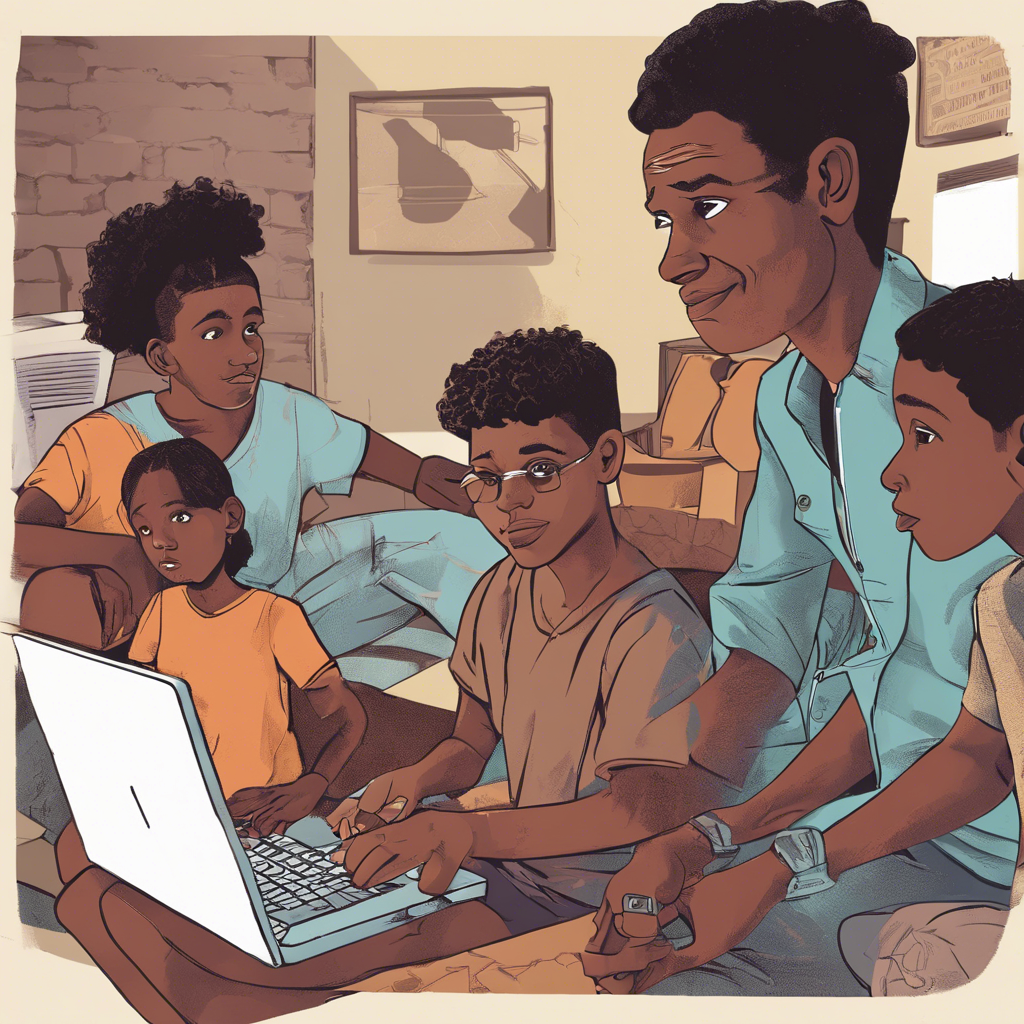
Digital literacy is an essential skill in today's technology-driven society. Various age groups within underserved communities face significant challenges in developing these skills, directly affecting their access to critical resources and opportunities. While older adults often dominate discussions on digital literacy, it is important to also highlight the difficulties faced by youth, low-income families, and individuals with disabilities.
Youth and Young Adults
Contrary to the belief that all youth and young adults are digital natives, many from underserved communities confront substantial barriers to digital literacy. Despite being familiar with basic technologies, they often lack the necessary skills to operate more advanced digital tools due to limited access to resources and technology in their environments. Factors contributing to this issue include inadequate school resources, absence of mentorship, and socioeconomic challenges.
- Over-dependence on smartphones, which restricts opportunities to engage with more sophisticated digital tools.
- Limited access to high-speed internet, hindering effective research and assignment completion.
- Inconsistent exposure to technology-based education resulting in significant knowledge gaps.
Low-Income Families
Families living in low-income areas frequently struggle to afford necessary technology and internet services, which severely limits their overall digital literacy. These constraints impact all family members, from children needing to complete online homework assignments to adults pursuing jobs through digital platforms. The digital divide is particularly pronounced in these households, where a lack of devices and internet connectivity restricts their ability to actively participate in the digital economy.
- Barriers to accessing educational resources online due to financial limitations.
- Reduced digital engagement stemming from limited experience with various devices.
- Difficulties navigating government services that increasingly require online applications and interactions, such as applying for social benefits.
People with Disabilities
Individuals with disabilities often face numerous obstacles in achieving digital literacy, as many digital platforms lack crucial accessibility features. Scarce resources and inadequate accommodations can significantly hinder their ability to learn and effectively engage with technology, consequently limiting their chances for social and economic growth.
- Insufficient availability of adaptive technology options within many communities.
- Significant challenges associated with learning to use accessibility tools effectively.
- Social stigma and isolation can lead to fewer opportunities to practice and improve their digital skills.
Conclusion
In conclusion, while older adults certainly face significant digital literacy challenges, youth and young adults, low-income families, and individuals with disabilities also experience notable obstacles. Addressing these challenges requires a collaborative effort to provide essential resources, education, and access to technology, ensuring that all communities can succeed in the digital age.
Expert Quote
Dr. Susan H. Cullen, Digital Literacy Expert and Author
Digital literacy encompasses more than mere access to technology; it also involves the critical skills needed to effectively navigate and utilize that technology across all demographics, including youth and low-income families who frequently encounter unique challenges.
Book: Digital Literacy: A Critical Skill for the New Economy, 2020
Relevant Links
The Digital Divide Is a Human Rights Issue: Advancing Social ...
https://www.ncbi.nlm.nih.gov/pmc/articles/PMC7973804/Improving access to telehealth | Telehealth.HHS.gov
https://telehealth.hhs.gov/providers/health-equity-in-telehealth/improving-access-to-telehealthThe tragic paradoxical effect of telemedicine on healthcare ...
https://www.ncbi.nlm.nih.gov/pmc/articles/PMC10186294/Understanding the Digital Divide in Education | AU
https://soeonline.american.edu/blog/digital-divide-in-education/Lower-income Americans still less likely to have home broadband ...
https://www.pewresearch.org/short-reads/2021/06/22/digital-divide-persists-even-as-americans-with-lower-incomes-make-gains-in-tech-adoption/YouTube Videos
Most popular questions

How Do The Personal Relationships Among Gods Affect Their Decisions In The Iliad?
The intricate relationships among the gods in Homer's epic poem 'The Iliad' play a crucial role in shaping their actions and decisions. These divine interactions create a complex web of fates, where each god's personal alliances and rivalries directly influence the events of the mortal world.

What Strategies Can Parents Use To Educate Their Children About Online Safety Beyond Privacy Settings?
In today's digital landscape, teaching children about online safety is essential for their protection and well-being. While privacy settings play a critical role, parents can implement various strategies to create a thorough understanding of online safety principles among their children.
What Are The Different Types Of Insulation Materials Commonly Used In Buildings, And How Do They Compare In Terms Of Thermal Resistance?
Insulation materials are vital for enhancing energy efficiency in residential and commercial buildings by minimizing heat transfer. Understanding the various insulation types can lead to better choices for thermal resistance and overall comfort.
Most recent questions
In What Ways Does The Depth Of Character Development Influence A Reader's Connection To The Narrative's Events?
Character development is a vital aspect of storytelling that plays an essential role in how readers perceive and emotionally connect with a narrative. Richly developed characters evoke a range of emotions which actively engage readers and draw them into the storyline, enhancing the overall reading experience.
How Do Cultural Differences Influence Personal Space Preferences In Both Indoor And Outdoor Social Events?
Understanding personal space preferences is essential as they are greatly influenced by cultural backgrounds. These space preferences can significantly impact social interactions in various settings, both indoors and outdoors, making cultural awareness vital for effective communication.
What Role Do Social Media Platforms Play In Amplifying Fan Theories During A Media Release Campaign?
Social media platforms have become essential channels in shaping and amplifying fan theories during media release campaigns, especially within the entertainment industry. These platforms function as dynamic hubs for discussion, sharing, and speculation, significantly enhancing fan engagement with upcoming films, shows, and music releases.