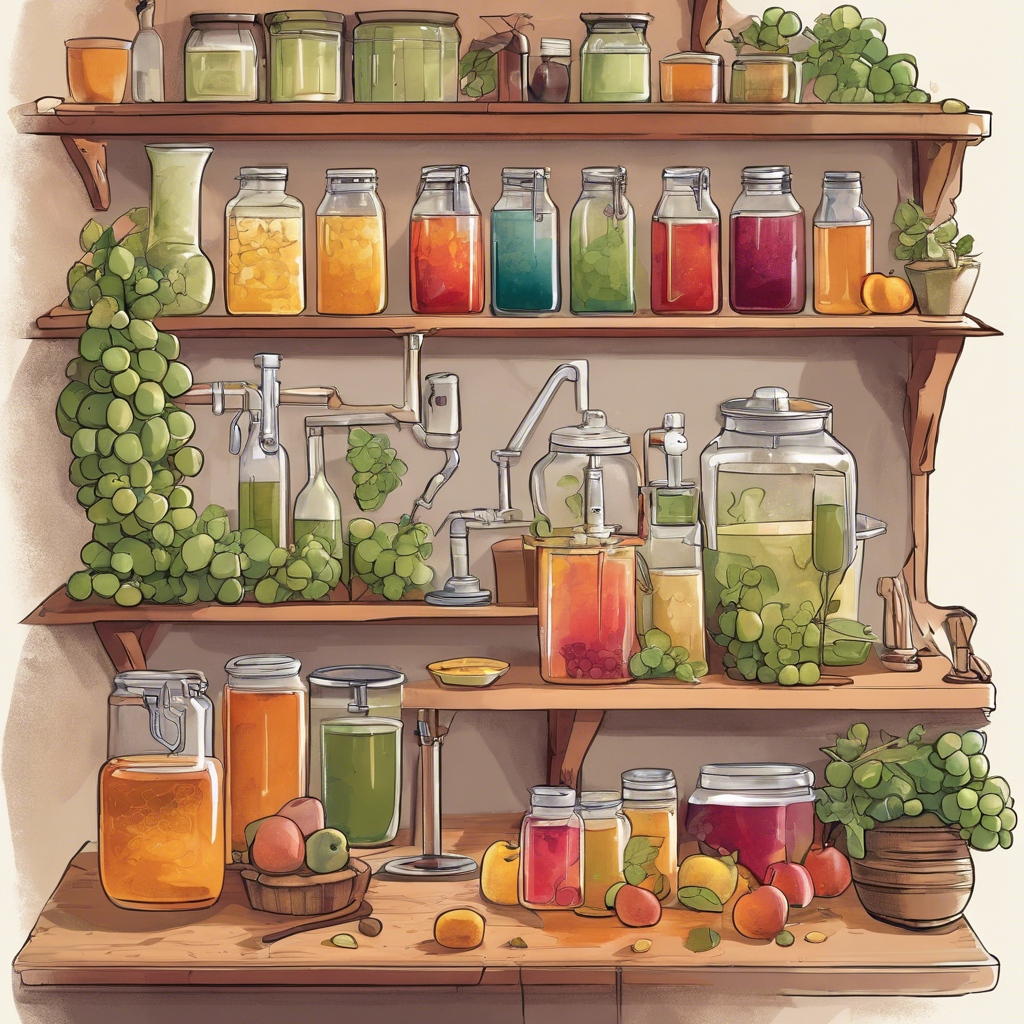
What Are Some Common Types Of Beverages That Are Fermented At Home?
Introduction
Home fermentation is an intriguing and fulfilling hobby that transforms simple ingredients into flavorful beverages. Many enthusiasts enjoy brewing their own fermented drinks as a way to discover new tastes, preserve seasonal ingredients, and delve into time-honored culinary traditions. This guide to home fermentation explores popular options and essential processes to get started.
Popular Homemade Fermented Beverages
There are numerous popular fermented beverages that you can brew at home. Each type of drink requires unique processes and ingredients, yet they all revolve around the fermentation process. This is where yeast and bacteria convert sugars into alcohol or acids, resulting in distinctive flavors and aromas. Here are some of the most common homemade fermented beverages:
- Kombucha: A flavorful, effervescent tea drink made by fermenting sweetened tea with a SCOBY, which stands for symbiotic culture of bacteria and yeast.
- Kefir: This tangy, creamy beverage can be prepared from milk or water and is made with beneficial bacteria and yeast, often resulting in a refreshing effervescence.
- Hard Cider: Produced by fermenting fresh apple juice, hard cider ranges from sweet to dry and boasts a refreshing apple flavor with an alcohol content typically between four and eight percent.
- Mead: Often referred to as honey wine, mead is created by fermenting honey mixed with water. It can be enhanced with fruits, herbs, or spices for additional flavor, and the alcohol content may vary significantly.
- Wine: Crafting your own wine involves fermenting grape juice with yeast, yielding a broad spectrum of flavors depending on the grape type and fermentation techniques, usually resulting in higher alcohol content (typically eight to fifteen percent).
Essential Fermentation Process Overview
While the specific ingredients and durations vary among different fermented beverages, the fundamental steps in home fermentation share several key elements. Grasping this process equips beginners for success in creating their own drinks. The primary steps include:
- Sanitize Equipment: Thoroughly clean and sanitize all tools and containers to prevent unwanted microbial contamination.
- Prepare Ingredients: This could involve steeping tea, mixing honey with water, or extracting juice from fruits, depending on your chosen beverage.
- Add Cultures: Introduce the specific fermentation culture, which could be a SCOBY for kombucha, kefir grains, or yeast for making wine.
- Ferment: Let the mixture rest in a controlled environment concerning temperature and light for the recommended duration, ranging from several days to several weeks based on the beverage type.
- Bottle and Taste: After fermentation, strain the beverage if necessary, bottle it, and allow it to carbonate if applicable before savoring your homemade creation.
Conclusion
Engaging in home fermentation provides a fantastic chance to craft unique beverages while exploring the science of food preservation. Whether you opt to brew kombucha or immerse yourself in mead-making, these enjoyable projects offer great satisfaction and can enhance your culinary repertoire.
Expert Quote
Sandor Ellix Katz, Fermentation Expert and Author
Fermentation is a fundamental process that has been used by cultures around the world for thousands of years. It's not just about making food and beverages; it's about engaging with our history and enhancing the flavors and nutritional qualities of our ingredients.
The Art of Fermentation, 2012
Relevant Links
30 Fermented Drinks You Can Make at Home - My Fermented Foods
https://myfermentedfoods.com/fermented-drinks/18 Fermented Drinks You Need To Know
https://www.tastingtable.com/1410588/fermented-drinks-need-know/Which types of beverages can be fermented at home? - Quora
https://www.quora.com/Which-types-of-beverages-can-be-fermented-at-homeFermented drinks and alcohol fact sheet - Resources
https://www.health.nsw.gov.au/aod/resources/Pages/fermented-drinks-and-alcohol.aspxMake Mead Like a Viking · Fermentology
https://fermentology.pubpub.org/pub/cwi5ceroYouTube Videos
Most popular questions

How Do The Personal Relationships Among Gods Affect Their Decisions In The Iliad?
The intricate relationships among the gods in Homer's epic poem 'The Iliad' play a crucial role in shaping their actions and decisions. These divine interactions create a complex web of fates, where each god's personal alliances and rivalries directly influence the events of the mortal world.

What Strategies Can Parents Use To Educate Their Children About Online Safety Beyond Privacy Settings?
In today's digital landscape, teaching children about online safety is essential for their protection and well-being. While privacy settings play a critical role, parents can implement various strategies to create a thorough understanding of online safety principles among their children.
What Are The Different Types Of Insulation Materials Commonly Used In Buildings, And How Do They Compare In Terms Of Thermal Resistance?
Insulation materials are vital for enhancing energy efficiency in residential and commercial buildings by minimizing heat transfer. Understanding the various insulation types can lead to better choices for thermal resistance and overall comfort.
Most recent questions
What Strategies Can Be Implemented To Reduce Carbon Emissions In Live Concert Performances?
Live concert performances are vital to cultural expression and artistic enjoyment. However, these events often lead to high levels of carbon emissions. To promote sustainability and eco-friendliness within the music industry, it is essential to adopt strategies aimed at reducing these emissions effectively.
If You Could Only Choose One, Would You Rather Be Able To See Into Your Future Or The Ability To Read Minds?
The intriguing dilemma of choosing between the ability to see into your future or to read minds captivates many. Both supernatural abilities provide a unique perspective on knowledge that extends beyond our current awareness, yet each has its own distinct benefits and challenges that are worth considering.
How Do Fan-created Narratives Influence The Development Of Marginalized Characters In Official Media Adaptations?
Fan-created narratives play a pivotal role in transforming the portrayal of marginalized characters within mainstream media adaptations. These engaging stories often address the shortcomings of conventional storytelling, providing diverse and multifaceted representations that resonate deeply with broader audiences.