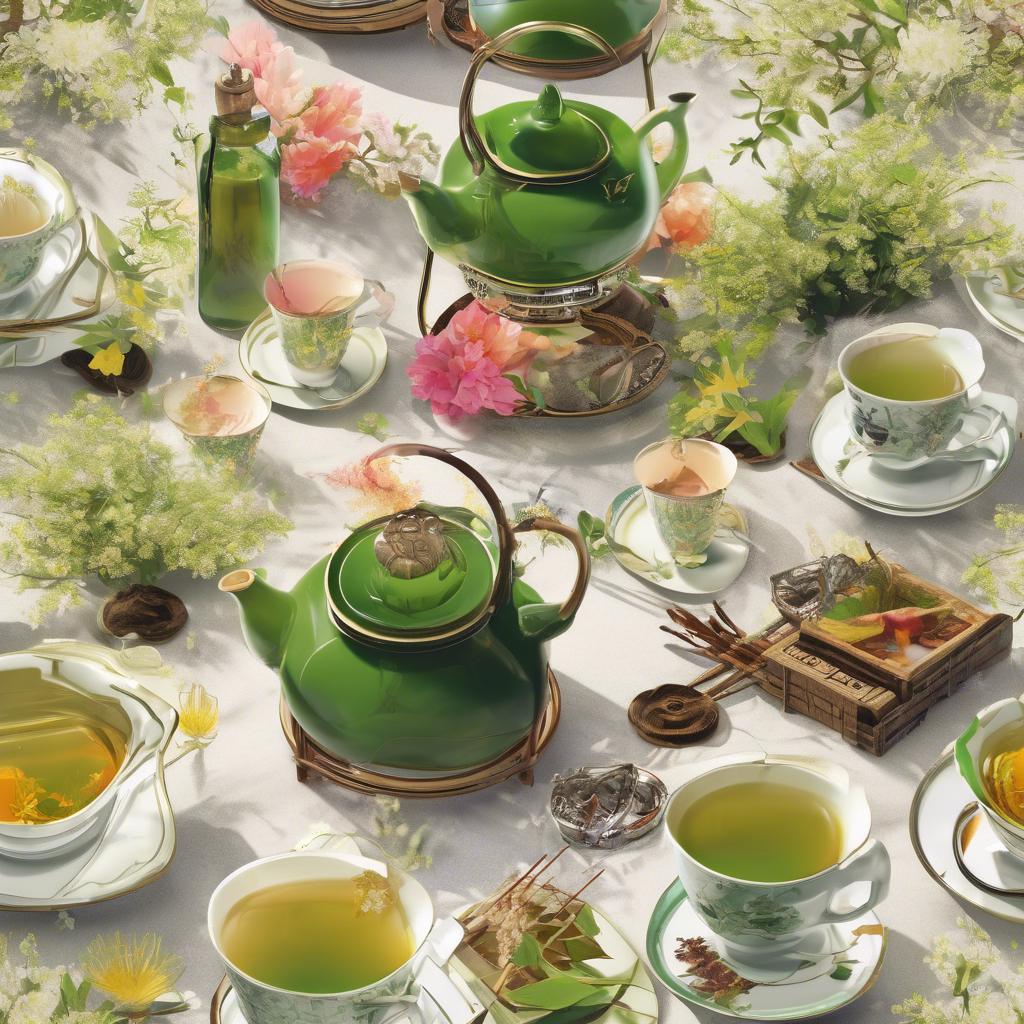
What Are Some Popular Non-alcoholic Beverages Enjoyed Alongside Asian Meals?
Introduction
Delve into the captivating world of Asian cuisine to discover a diverse range of non-alcoholic beverages that beautifully complement the rich flavors of dishes from this vast continent. From soothing teas to refreshing fruit drinks, these beverages not only enhance the dining experience but also cater to a variety of tastes, making each meal memorable.
Top Non-Alcoholic Beverages in Asian Cuisine
Asian meals are frequently enhanced by a selection of non-alcoholic drinks that elevate flavors and provide refreshing options. Here are some of the most popular non-alcoholic beverages enjoyed with Asian dishes:
- Green Tea: Celebrated for its numerous health benefits, green tea is a staple beverage that aids digestion and offers a delicate, earthy taste.
- Jasmine Tea: Renowned for its aromatic floral scent, jasmine tea pairs beautifully with Chinese and Thai cuisines, acting as a refreshing palate cleanser.
- Soy Milk: This creamy and nutritious alternative to dairy complements various Asian dishes, particularly in vegetarian meals, and is widely consumed in East Asia.
- Ginger Lemonade: A spicy and invigorating twist on classic lemonade, this drink pairs well with savory dishes, enhancing flavors, though it is less traditional in certain Asian cuisines.
- Coconut Water: Known for its hydrating properties, coconut water is a popular beverage in Southeast Asia, providing a gentle sweetness that balances spicy foods.
Cultural Importance of Drinks in Asia
In various Asian cultures, beverages hold profound significance beyond mere refreshment; they embody rich cultural traditions and rituals. Recognizing these contexts can greatly enhance your dining experience.
- Tea Ceremony: In nations such as Japan and China, the tea ceremony is a deeply respected tradition that promotes principles of respect, harmony, and peace during meals.
- Fruit-Infused Water: Offering fruit-infused water is a common hospitality practice in many Asian households, emphasizing the importance of refreshing beverages at mealtimes. This custom varies across regions and traditions.
- Festive Beverages: Specific drinks, like sweetened rice beverages in Korea or herbal teas during the Chinese New Year, are prepared for celebrations, highlighting the festive role of drinks in community and family gatherings.
Conclusion
The diverse range of non-alcoholic beverages paired with Asian meals showcases a beautiful blend of tradition, flavor, and health benefits. These drinks not only enhance your culinary experience but also reflect their cultural significance. Exploring different beverage options can elevate your meals to new heights of enjoyment and satisfaction.
Expert Quote
Dr. David Chang, Culinary Expert and Author
Pairing beverages with Asian cuisine is an art that enhances the flavors and cultural experience of the meal, transforming an ordinary dining event into a memorable occasion.
The New Asian Cuisine: Recipes from Around the World, 2022
Relevant Links
Perfect Non-Alcoholic Drink and Food Combinations | Matthew Clark
https://www.matthewclark.co.uk/latest-news-blogs/blog/perfect-non-alcoholic-drink-and-food-combinations/Sober travels: Non-alc in Japan (in 2024) — Third Place Bar ...
https://www.thirdplacebar.nyc/blog/sober-travels-non-alc-in-japan-in-2024Lunch today was at Vietopia Asian Fusian (VAT) - loved it! Varied ...
https://www.facebook.com/groups/541108569267853/posts/10038567366188545/The 6 Best Nonalcoholic Drinks of 2025, Tested & Reviewed
https://www.seriouseats.com/best-nonalcoholic-drinks-8770603Food and Drinks | Halloween Nights
https://www.easternstate.org/halloween/preview/food-and-drinksYouTube Videos
Most popular questions

How Do The Personal Relationships Among Gods Affect Their Decisions In The Iliad?
The intricate relationships among the gods in Homer's epic poem 'The Iliad' play a crucial role in shaping their actions and decisions. These divine interactions create a complex web of fates, where each god's personal alliances and rivalries directly influence the events of the mortal world.

What Strategies Can Parents Use To Educate Their Children About Online Safety Beyond Privacy Settings?
In today's digital landscape, teaching children about online safety is essential for their protection and well-being. While privacy settings play a critical role, parents can implement various strategies to create a thorough understanding of online safety principles among their children.
What Are The Different Types Of Insulation Materials Commonly Used In Buildings, And How Do They Compare In Terms Of Thermal Resistance?
Insulation materials are vital for enhancing energy efficiency in residential and commercial buildings by minimizing heat transfer. Understanding the various insulation types can lead to better choices for thermal resistance and overall comfort.
Most recent questions
How Can Social Media Marketing Enhance Fan Interaction And Retention For Sports Teams?
Social media marketing has profoundly reshaped how sports teams connect and engage with their fans. By utilizing popular platforms such as Twitter, Instagram, and Facebook, sports organizations can deepen relationships with their audiences, significantly enhancing fan retention and interaction.
How Do Independent Filmmakers Utilize Social Media To Engage With Niche Audiences Compared To Mainstream Films?
Independent filmmakers are leveraging the power of social media to engage deeply with niche audiences, a strategy that often eludes mainstream films. By producing tailored content and actively interacting with their followers, independent creators are fostering dedicated communities that support their projects and vision.
How Do Aging Processes Affect The Flavor Profiles Of Cheeses And Their Pairing With Wines?
The aging process of cheese, known as affinage, is vital in developing its unique flavor profile while greatly influencing its compatibility with wines. As cheese matures, the transformations in its texture and taste create a rich tasting experience that pairs exquisitely with various wines, enhancing culinary enjoyment.