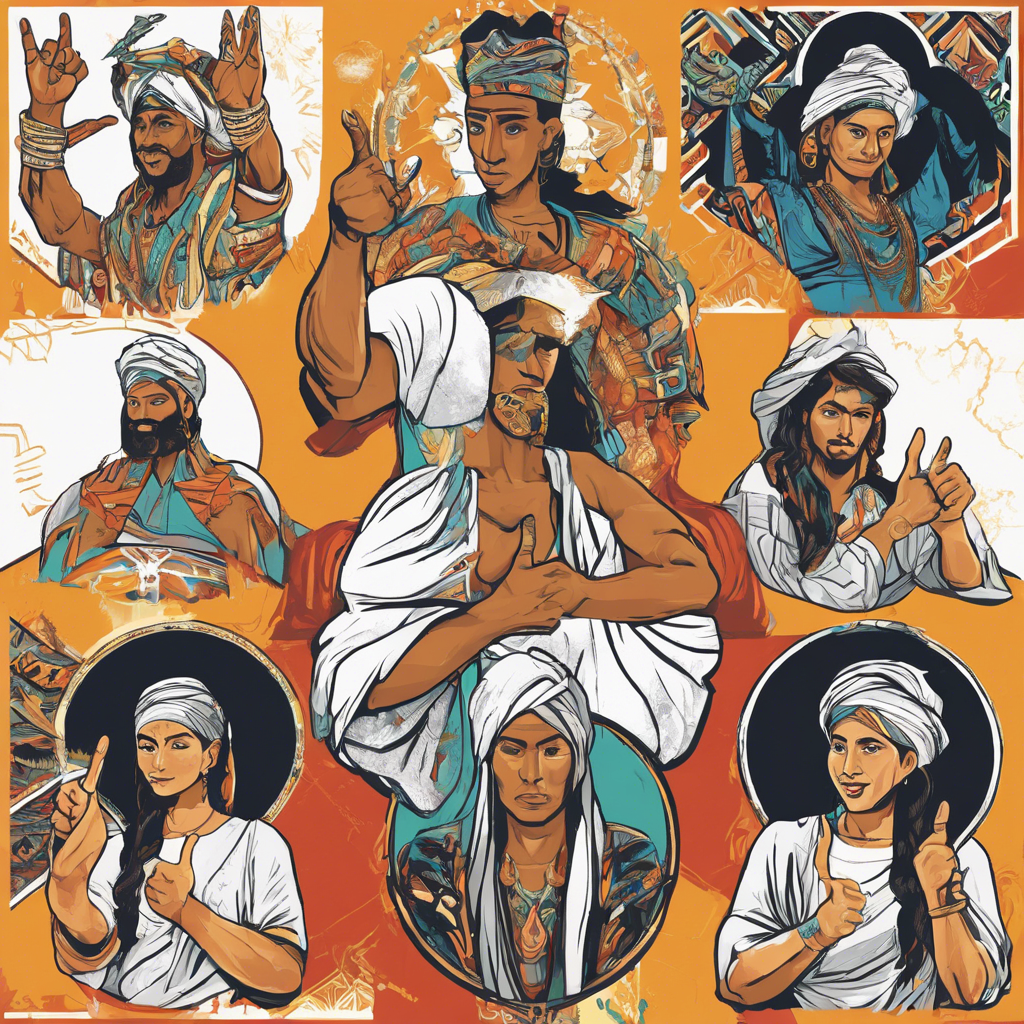
What Are Some Specific Examples Of Gestures That Are Interpreted Differently In Various Cultures?
Introduction
Gestures serve as a crucial element of nonverbal communication across the globe, but their interpretations can vary dramatically from one culture to another. Being aware of these cultural differences is vital, especially in today's interconnected world where cross-cultural interactions are increasingly frequent and important.
Common Gestures With Varied Cultural Interpretations
Many gestures that might seem harmless in one culture can be seen as offensive or confusing in another. For instance, gestures that are commonly associated with greetings or consensus can carry entirely different meanings across cultures. This complexity emphasizes the necessity of understanding cultural nuances to prevent communication mishaps.
- The thumbs-up gesture, symbolizing approval in Western cultures, can be perceived as insulting in certain Middle Eastern nations like Iraq and Afghanistan.
- The 'OK' sign, created by forming a circle with the thumb and index finger, is considered offensive in Brazil, where it has vulgar implications.
- While nodding typically indicates agreement in most societies, in regions such as Greece and Bulgaria, it can unexpectedly mean 'no'—a crucial cultural distinction to note.
- Pointing at individuals is standard in many cultures, yet in Indonesia and several Asian countries, it is deemed disrespectful; using the thumb as a pointing alternative is encouraged.
Cultural Nuances in Gestural Communication and Their Impact
Distinct cultures often utilize specific gestures that may not easily translate across different contexts. For example, bowing holds considerable significance in Japanese customs, serving as both a greeting and a demonstration of respect. Additionally, the interpretation of personal space can greatly influence how gestures are used and understood in various cultures.
- In Japan, bowing is not just a greeting but also an indicator of respect, whereas in the United States, a firm handshake is more customary; many cultures also value personalized greetings that incorporate hugs or kisses.
- In several African cultures, clapping signifies celebration or serves to attract attention during events, contrasting with Western usage where it is mainly an expression of appreciation; it can also represent participation or acknowledgment of speakers.
- Gestures such as the 'peace' sign may carry different meanings based on context; presenting it with the palm facing inward is offensive in Australia, while in other areas it may be seen as neutral or celebratory.
Conclusion
Understanding how gestures are perceived across various cultures can significantly enhance communication and build stronger relationships within multicultural environments. It's crucial to remember that a gesture seen as friendly in one culture might be viewed as offensive in another, so approach intercultural interactions with awareness and cultural sensitivity.
Expert Quote
Dr. Geert Hofstede, Cultural Psychologist and Management Expert
Understanding cultural differences in nonverbal communication can mitigate misunderstandings and foster better international relationships.
Hofstede Insights, 2020
Relevant Links
Cultural Differences in Non-verbal Communication
https://www.andrews.edu/~tidwell/bsad560/NonVerbal.htmlCultural Differences in Body Language to be Aware of – VirtualSpeech
https://virtualspeech.com/blog/cultural-differences-in-body-languageBody language in different cultures around the world: A top guide
https://www.berlitz.com/blog/body-language-different-cultures-around-worldGestures Around The World
https://www.memphistours.com/blog/15-gestures-around-the-world-you-should-know-before-travellingUnderstanding Non-Verbal Communication: Cultural Gestures
https://acutrans.com/understanding-non-verbal-communication-gestures-that-vary-across-cultures/YouTube Videos
Most popular questions

How Do The Personal Relationships Among Gods Affect Their Decisions In The Iliad?
The intricate relationships among the gods in Homer's epic poem 'The Iliad' play a crucial role in shaping their actions and decisions. These divine interactions create a complex web of fates, where each god's personal alliances and rivalries directly influence the events of the mortal world.

What Strategies Can Parents Use To Educate Their Children About Online Safety Beyond Privacy Settings?
In today's digital landscape, teaching children about online safety is essential for their protection and well-being. While privacy settings play a critical role, parents can implement various strategies to create a thorough understanding of online safety principles among their children.
What Are The Different Types Of Insulation Materials Commonly Used In Buildings, And How Do They Compare In Terms Of Thermal Resistance?
Insulation materials are vital for enhancing energy efficiency in residential and commercial buildings by minimizing heat transfer. Understanding the various insulation types can lead to better choices for thermal resistance and overall comfort.
Most recent questions
What Strategies Do Local Influencers Use To Measure The Effectiveness Of Their Engagement Tactics On Social Media?
Local influencers are crucial in shaping public opinion and driving engagement across social media platforms. To assess the effectiveness of their engagement strategies, they employ various techniques that facilitate a better understanding of their audience connection.
What Are The Most Effective Social Media Platforms For Discussing Travel Experiences, And How Do Their Audiences Vary?
Exploring travel experiences on social media offers a dynamic and engaging way to share and discover adventures around the world. Each platform caters to specific audiences with unique features that enhance storytelling, making social media an essential tool for travelers.
In What Ways Did The Emergence Of Different Political Ideologies During Global Conflicts Impact The Themes And Subjects Chosen By Artists?
The emergence of diverse political ideologies during major global conflicts has profoundly influenced artists, shaping the themes and subjects of their creations. This dynamic interplay not only reflects societal changes, tensions, and aspirations but also the artists' personal and creative responses to these powerful ideologies.