What Are Some Unique Cultural Experiences To Seek Out Near These Lesser-known Historical Sites In Eastern Europe?
Introduction
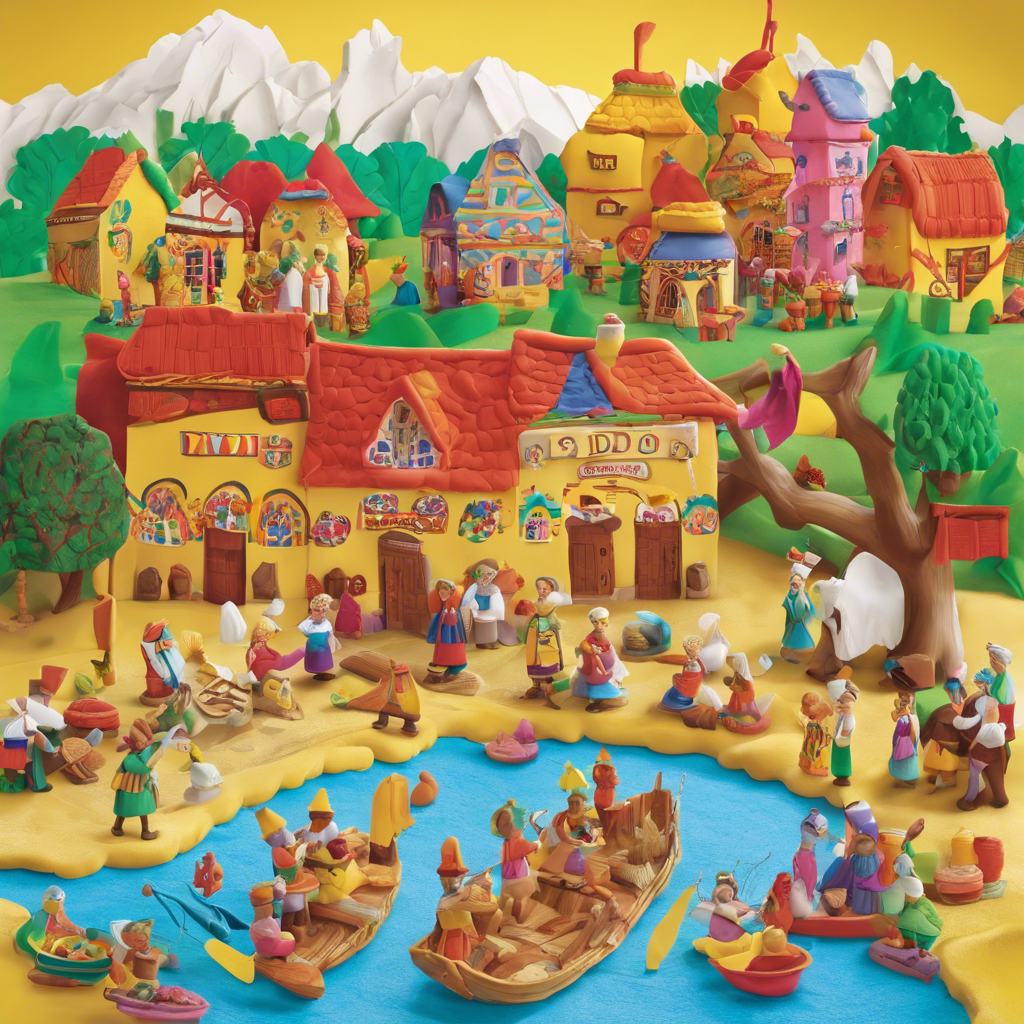
Discovering lesser-known historical sites in Eastern Europe unveils unique cultural experiences filled with rich local traditions, authentic flavors, and captivating stories. These hidden gems reflect the diverse heritage of the region, offering travelers distinctive opportunities to engage deeply with Eastern European culture.
Immersing in Local Traditions
Many hidden historical sites are deeply connected to local customs and traditions, often overlooked by mainstream tourism. Engaging with these unique practices allows visitors to gain profound insights into the cultural mosaic of the region.
- Attend authentic local festivals that celebrate the area's rich history and vibrant culture, including harvest festivals and traditional folklore events.
- Participate in hands-on craft workshops, where you can learn and practice local art forms such as pottery, weaving, or wood carving.
- Experience live performances of regional music and dance, which encapsulate the stories and heritage of the local community.
Savoring Culinary Delights
Food serves as one of the most enjoyable and flavorful ways to connect with a culture. Near lesser-known historical locations, you can discover local delicacies that showcase the region's gastronomic heritage and history.
- Dine at family-run restaurants to sample traditional dishes crafted from time-honored recipes, reflecting the area's culinary history.
- Join interactive cooking classes to learn how to create local dishes using seasonal ingredients native to the region.
- Visit vibrant local markets to uncover unique ingredients and engage with vendors about their cultural significance within the community.
Exploring Nature and Spiritual Sanctuaries
The natural beauty surrounding historical sites can lead to unparalleled cultural experiences, especially regarding the area's spiritual practices and beliefs.
- Visit nearby natural reserves or parks that carry historical importance, often linked to local myths, legends, and traditions.
- Engage in meditation or wellness retreats featuring local spiritual traditions, creating a holistic cultural experience.
- Participate in guided nature excursions that connect the historical significance of the land with local cultural narratives.
Conclusion
Exploring lesser-known historical sites in Eastern Europe offers a wealth of enriching cultural experiences, from engaging with local traditions and delightful culinary offerings to exploring spiritual retreats. Each of these aspects enhances your understanding of the area's diverse heritage, making your journey both enlightening and unforgettable.
Expert Quote
Dr. Andrea Orzoff, Eastern European History Expert
Delving into local culture and discovering lesser-known historical sites are vital for understanding the intricate identity of Eastern Europe, where every tradition and culinary experience tells a story of resilience and legacy.
Interview in 'The Atlantic', 2022
Relevant Links
Top 25 offbeat places in Norway | Lesser-known gems
https://www.visitnorway.com/places-to-go/top-25-places/National Parks - Heritage Travel (U.S. National Park Service)
https://www.nps.gov/subjects/heritagetravel/national-parks.htmThe 24 Most Underrated Cities in Europe | Condé Nast Traveler
https://www.cntraveler.com/gallery/most-underrated-european-citiesHow chili peppers conquered the world (or at least most of it) | The ...
https://www.splendidtable.org/story/2018/07/11/how-chili-peppers-conquered-the-world-or-at-least-most-of-itCalifornia Indian History – California Native American Heritage ...
https://nahc.ca.gov/native-americans/california-indian-history/YouTube Videos
Most popular questions

How Do The Personal Relationships Among Gods Affect Their Decisions In The Iliad?
The intricate relationships among the gods in Homer's epic poem 'The Iliad' play a crucial role in shaping their actions and decisions. These divine interactions create a complex web of fates, where each god's personal alliances and rivalries directly influence the events of the mortal world.

What Strategies Can Parents Use To Educate Their Children About Online Safety Beyond Privacy Settings?
In today's digital landscape, teaching children about online safety is essential for their protection and well-being. While privacy settings play a critical role, parents can implement various strategies to create a thorough understanding of online safety principles among their children.
What Are The Different Types Of Insulation Materials Commonly Used In Buildings, And How Do They Compare In Terms Of Thermal Resistance?
Insulation materials are vital for enhancing energy efficiency in residential and commercial buildings by minimizing heat transfer. Understanding the various insulation types can lead to better choices for thermal resistance and overall comfort.
Most recent questions
What Specific Social Media Strategies Do Indie Musicians Use To Increase Fan Engagement?
Indie musicians encounter distinct challenges in amplifying their visibility and building connections with their audience. To successfully navigate the competitive music industry landscape, numerous indie artists adopt effective social media strategies aimed at boosting fan engagement and developing a dedicated following.
How Do You Think Time Travel Could Positively Or Negatively Impact Your Relationships With Others?
Time travel is an intriguing concept that captivates our imagination in literature and cinema. The potential effects of time travel on personal relationships raise compelling questions about how our interactions with others may change if we had the ability to travel through time.
In What Ways Can Original Characters Challenge Or Reinforce Stereotypes Within Fan Fiction Narratives About Marginalized Groups?
Exploring how original characters in fan fiction can challenge or reinforce stereotypes offers a crucial opportunity to examine narratives impacting marginalized groups. These characters act as conduits for showcasing diverse identities and experiences, reflecting broader social dynamics and cultural contexts in fan fiction and beyond.