What Are The Advantages And Disadvantages Of Each Organizational Structure?
Introduction
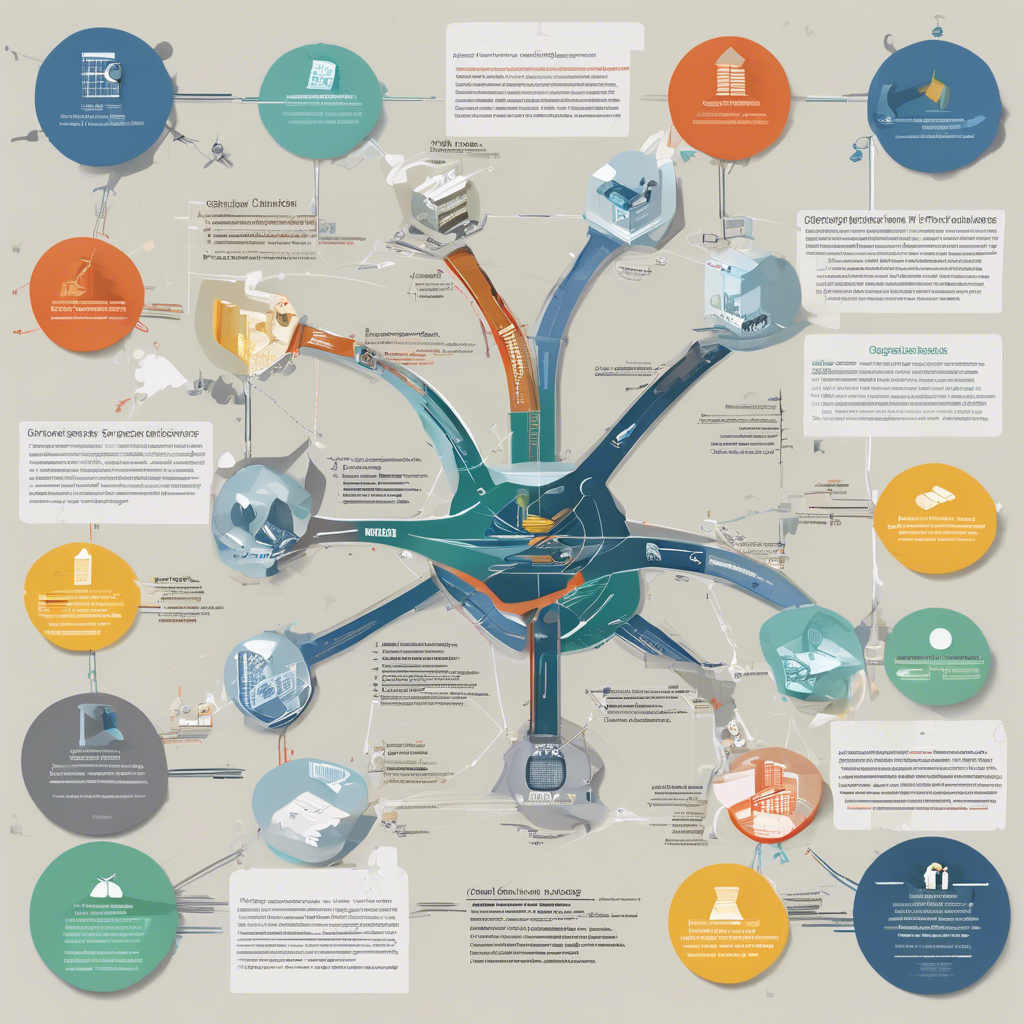
Understanding organizational structure is essential for any business or institution as it defines the hierarchy, roles, and responsibilities that affect operational efficiency and effectiveness. Each type of organizational structure offers distinct advantages and disadvantages that can impact overall performance and strategic alignment.
Functional Structure
A functional organizational structure categorizes a company into departments based on specialized functions such as marketing, sales, finance, and human resources. This specialization enables employees to gain deep expertise in their specific roles. However, this structure can lead to siloed thinking, with departments focusing solely on their own objectives rather than the company's overall goals, potentially hindering collaboration and innovation.
- Advantage: Enhanced efficiency through specialization in functional areas.
- Disadvantage: Communication barriers may arise between departments, leading to misalignment.
Matrix Structure
The matrix organizational structure integrates functional and project-based models. In this arrangement, employees report to both a functional manager and a project manager, promoting flexibility and optimal resource allocation across projects. This dual reporting system can, however, create confusion regarding priorities and responsibilities, which may result in conflicting directives from management.
- Advantage: Improved collaboration and agile resource distribution across teams.
- Disadvantage: Increased managerial complexity and potential conflict resulting from dual supervisory demands.
Flat Structure
A flat organizational structure features minimal or no levels of middle management between staff and executives. This configuration facilitates faster decision-making processes and fosters greater employee engagement, contributing to higher job satisfaction. On the downside, managing larger teams without middle management can become chaotic, leading to role ambiguity and a lack of clear direction.
- Advantage: Accelerated communication and decision-making processes.
- Disadvantage: Managers may become overwhelmed with larger team responsibilities.
Divisional Structure
The divisional organizational structure separates a company into autonomous units or divisions, each responsible for its individual operations, such as marketing and production. This allows divisions to respond swiftly to market demands; however, it may also result in resource duplication, inconsistent practices across divisions, and a fragmented organization strategy.
- Advantage: Increased emphasis on specific products or market segments.
- Disadvantage: Risk of redundancy and inefficiency due to duplicated resources across divisions.
Network Structure
A network organizational structure is characterized by a central organization that outsources key functions to external partners while overseeing the coordination of overall strategy. This design provides enhanced flexibility and scalability, but it may also introduce risks in communication, quality control, and reliance on third-party providers for critical business operations.
- Advantage: Scalability and flexibility without significant capital investment.
- Disadvantage: Potential loss of control over outsourced functions and the challenge of maintaining consistent quality standards.
Conclusion
Recognizing the advantages and disadvantages of various organizational structures allows business leaders to select the most suitable model for their corporate strategy and organizational culture. Each structure presents unique benefits and challenges, making it vital to evaluate them based on specific organizational objectives and contexts to achieve effective management outcomes.
Expert Quote
Dr. Henry Mintzberg, Professor of Management Studies at McGill University
The structure of an organization is a powerful predictor of its effectiveness; it influences how activities and roles are coordinated and allocated within the organization, thereby impacting overall performance.
Book: "The Structuring of Organizations", 1979
Relevant Links
Types of Organizational Structure and Their Pros and Cons ...
https://planergy.com/blog/types-of-organizational-structure/Types of Organizational Structures | Lucidchart Blog
https://www.lucidchart.com/blog/types-of-organizational-structures7 Types of Organizational Structures +Examples - Whatfix
https://whatfix.com/blog/organizational-structure/6 Advantages and Disadvantages of a Matrix Organizational Structure
https://www.charthop.com/resources/advantages-disadvantages-matrix-org-structureFunctional Structure: Advantages and Disadvantages | Indeed.com
https://www.indeed.com/career-advice/career-development/functional-structureYouTube Videos
Most popular questions

How Do The Personal Relationships Among Gods Affect Their Decisions In The Iliad?
The intricate relationships among the gods in Homer's epic poem 'The Iliad' play a crucial role in shaping their actions and decisions. These divine interactions create a complex web of fates, where each god's personal alliances and rivalries directly influence the events of the mortal world.

What Strategies Can Parents Use To Educate Their Children About Online Safety Beyond Privacy Settings?
In today's digital landscape, teaching children about online safety is essential for their protection and well-being. While privacy settings play a critical role, parents can implement various strategies to create a thorough understanding of online safety principles among their children.
What Are The Different Types Of Insulation Materials Commonly Used In Buildings, And How Do They Compare In Terms Of Thermal Resistance?
Insulation materials are vital for enhancing energy efficiency in residential and commercial buildings by minimizing heat transfer. Understanding the various insulation types can lead to better choices for thermal resistance and overall comfort.
Most recent questions
In What Ways Do Streaming Platforms Impact The Marketing And Audience Reach Of Emerging African Filmmakers?
Streaming platforms have dramatically transformed content consumption and distribution, particularly for emerging African filmmakers. This shift presents unique marketing opportunities and challenges in reaching diverse audiences. This FAQ explores the influence of streaming services on the filmmaking landscape in Africa.
What Role Does Scoring Play In Team Dynamics And Player Roles In Basketball Compared To Football And Hockey?
Scoring is a critical element in the dynamics of team sports, playing a significant role in determining the outcome of games and influencing individual player roles. Basketball, football, and hockey all revolve around scoring, but the relevance and consequences of scoring on player responsibilities and team strategies can greatly differ among these sports.
What Visual Styles Are Commonly Employed In Documentary Films To Highlight Social Justice Themes Compared To Those In Fictional Narratives?
Documentary films serve as a compelling medium to shed light on critical social justice issues, utilizing various visual styles that enhance their emotional impact and resonance. In contrast, fictional narratives employ different creative visual strategies tailored to their storytelling objectives. By understanding these distinctive approaches, we can better appreciate how visuals shape our understanding of social issues in both documentary and fictional formats.