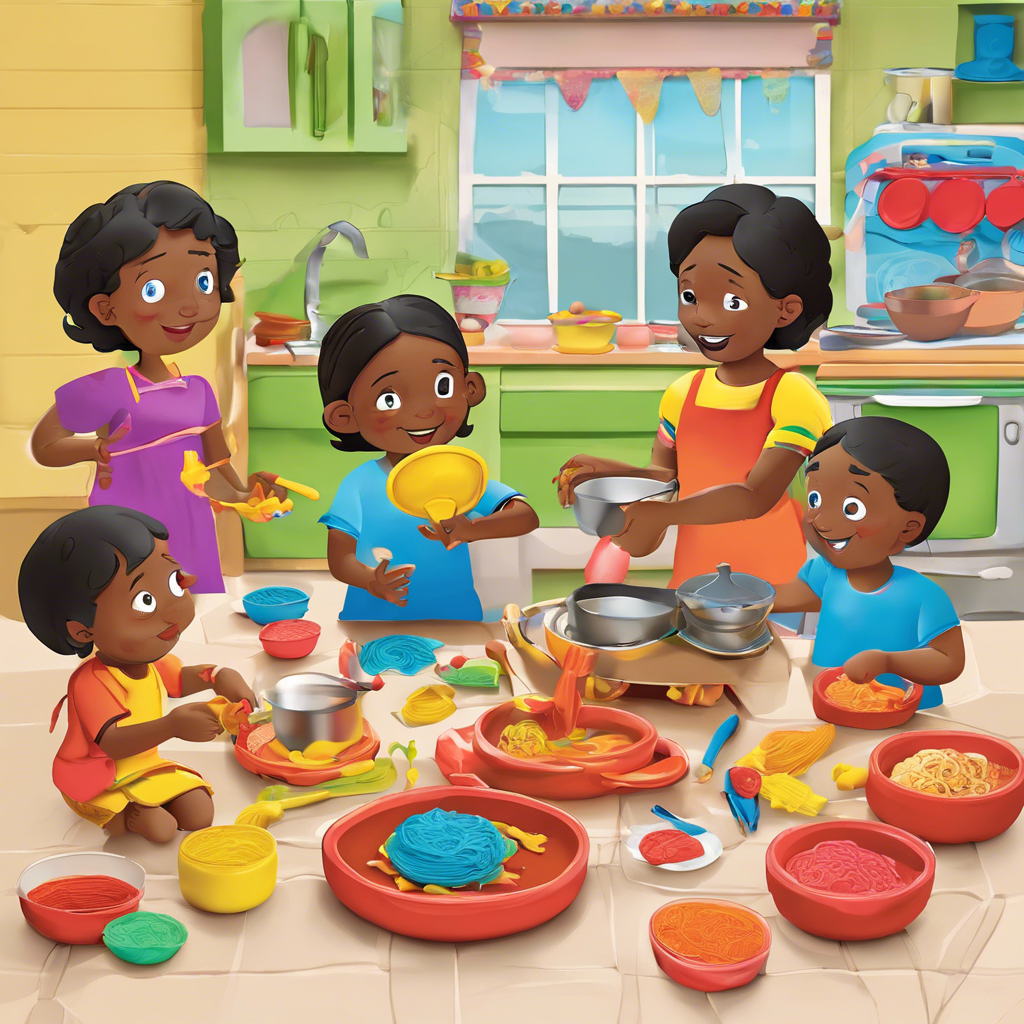
What Are The Benefits Of Raising Children In A Bi-cultural Family?
Introduction
Raising children in a bi-cultural family offers a wealth of experiences that significantly enrich their emotional, cognitive, and cultural development. This unique upbringing is instrumental in shaping their identity and equipping them with essential skills and perspectives necessary for succeeding in a diverse global society.
Emotional and Social Development
Children growing up in bi-cultural families tend to experience enhanced emotional intelligence and superior social skills. Their exposure to multiple cultures fosters a deep understanding of various social norms and practices. This experience is akin to acquiring a new language; just as language opens up new forms of communication, bi-cultural experiences deepen emotional connections and cultivate empathy.
- Improved communication skills as they learn to articulate thoughts in multiple cultural contexts.
- Increased empathy and understanding through diverse perspectives and cultural values.
- Enhanced adaptability, enabling comfort in varied social environments.
Cognitive Benefits
A bi-cultural upbringing can provide significant cognitive advantages, enabling children to develop strong critical thinking and creative problem-solving skills. The ongoing navigation between two cultures promotes mental flexibility and innovative thinking. Similar to musicians who adapt by mastering various styles, children with bi-cultural experiences expand their perspectives, allowing them to confront challenges with creativity and resourcefulness.
- Development of critical thinking abilities through exposure to diverse problem-solving approaches.
- Enhanced creativity by merging ideas from both cultural backgrounds.
- Improved capacity to manage multiple tasks and reconcile differing viewpoints.
Cultural Awareness and Identity
Living within a bi-cultural context helps children forge a nuanced sense of identity. They not only become aware of their own cultural heritage but also learn to appreciate the differences between various cultures. This process fosters pride in their background, resulting in a comprehensive worldview that celebrates diversity and multiculturalism.
- Stronger connection to their own cultural heritage.
- Respect and appreciation for diverse cultures, promoting a sense of global citizenship.
- Ability to celebrate and navigate diversity in everyday interactions.
Challenges and Resilience
Although there are many advantages, raising children in a bi-cultural family can also pose challenges. The journey of balancing dual identities may evoke cultural confusion or feelings of belonging. Nevertheless, overcoming these obstacles fosters resilience and adaptability—qualities that are increasingly vital in today’s interconnected world.
- Potential for cultural confusion and identity challenges.
- Development of resilience through navigating dual cultural heritage.
- Strengthened character as they overcome hurdles tied to cultural identity.
Conclusion
The advantages of raising children in a bi-cultural family are extensive, covering emotional, cognitive, and cultural dimensions that contribute to their holistic development. These enriching experiences prepare children to thrive as well-adjusted individuals in a mosaic of global diversity.
Expert Quote
Dr. Maria F. M. V. P. Vickers, Cultural Psychologist and Author
Raising children in a bi-cultural environment fosters not only their cognitive growth but also their emotional intelligence, equipping them to navigate the complexities of a globalized world effectively.
Book: 'Cultural Identity and Development: A Psychological Perspective', 2019
Relevant Links
Our Family's Experience of the Bilingual-Bicultural Educational ...
https://www.bchandsandvoices.com/post/our-familys-experience-of-the-bilingual-bicultural-educational-approach/My Path to Raising Proud, Confident Bicultural Children
https://fiercebymitu.com/family/raising-proud-confident-bicultural-children/Raising a Bi-Cultural Baby
https://detroitmom.com/raising-bi-cultural-baby/Raising “Bi-cultural children” What parents should know!! – My Sky ...
https://myskydiary.com/2020/01/02/raising-bi-cultural-children-what-parents-should-know/The Benefits of Being Bi-Cultural
https://spanishmama.com/the-benefits-of-being-bi-cultural-2/YouTube Videos
Most popular questions

How Do The Personal Relationships Among Gods Affect Their Decisions In The Iliad?
The intricate relationships among the gods in Homer's epic poem 'The Iliad' play a crucial role in shaping their actions and decisions. These divine interactions create a complex web of fates, where each god's personal alliances and rivalries directly influence the events of the mortal world.

What Strategies Can Parents Use To Educate Their Children About Online Safety Beyond Privacy Settings?
In today's digital landscape, teaching children about online safety is essential for their protection and well-being. While privacy settings play a critical role, parents can implement various strategies to create a thorough understanding of online safety principles among their children.
What Are The Different Types Of Insulation Materials Commonly Used In Buildings, And How Do They Compare In Terms Of Thermal Resistance?
Insulation materials are vital for enhancing energy efficiency in residential and commercial buildings by minimizing heat transfer. Understanding the various insulation types can lead to better choices for thermal resistance and overall comfort.
Most recent questions
How Do The Playoff Formats Of Other Professional Sports Leagues, Like The NHL Or NFL, Compare To The NBA And MLB In Terms Of Team Performance Outcomes?
Understanding the playoff formats in professional sports leagues like the NHL (National Hockey League), NFL (National Football League), NBA (National Basketball Association), and MLB (Major League Baseball) is crucial for grasping how these structures impact team engagements and performance outcomes. Analyzing these playoff formats reveals insights into competitive dynamics and win potential across different leagues, enabling fans and analysts alike to appreciate what drives success in these popular sports.
What Are The Most Effective Social Media Platforms For Discussing Travel Experiences, And How Do Their Audiences Vary?
Exploring travel experiences on social media offers a dynamic and engaging way to share and discover adventures around the world. Each platform caters to specific audiences with unique features that enhance storytelling, making social media an essential tool for travelers.
How Do The Dynamics Of Community Moderation In Online Gaming Forums Influence The Types Of Narratives That Are Discussed?
The dynamics of community moderation in online gaming forums play an essential role in shaping the narratives that unfold within these digital platforms. Effective community moderation can foster vibrant discussions and storytelling, while poor moderation can impose restrictions that stifle the exchange of creative ideas.