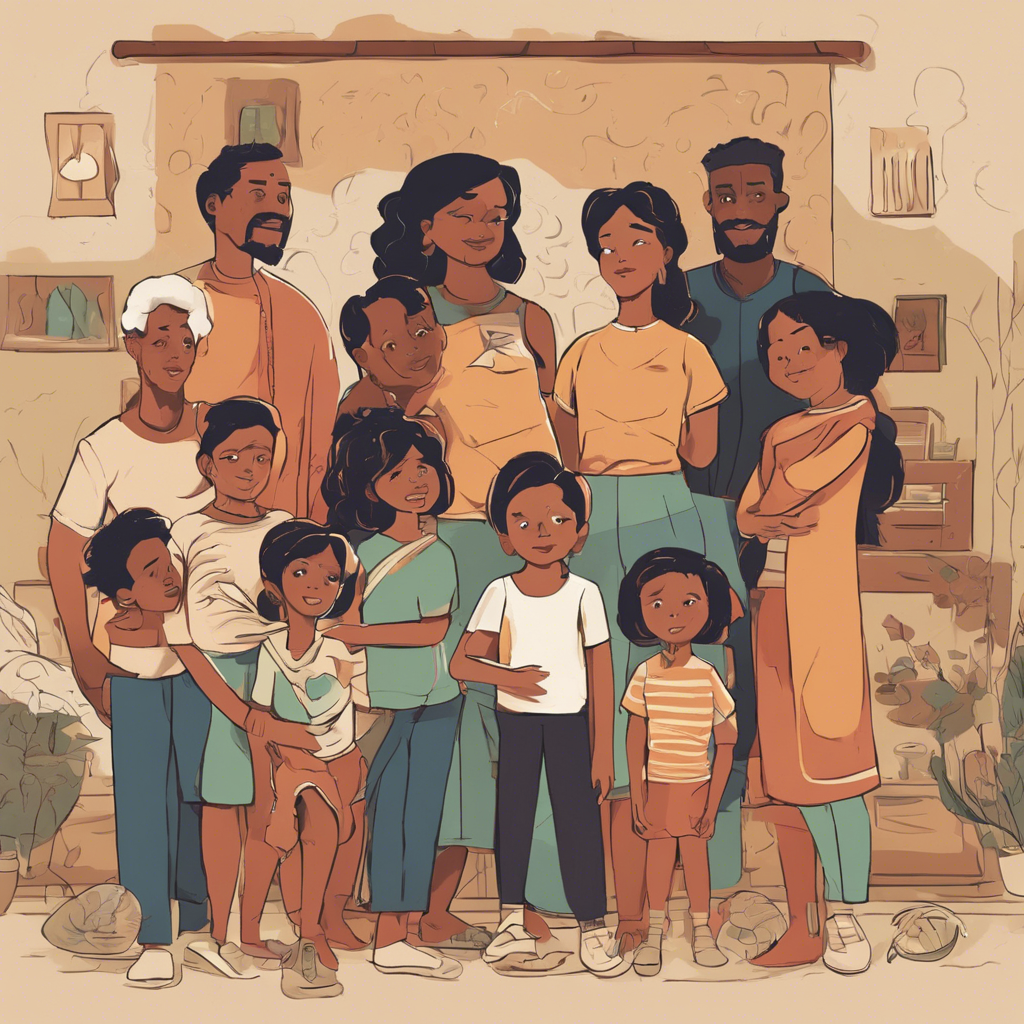
What Are The Challenges Of Parenting In A Bi-cultural Family?
Introduction
Parenting in a bi-cultural family presents unique and intricate challenges as parents navigate the complexities of integrating different cultural backgrounds. This dynamic interplay can significantly affect communication, core values, traditions, and diverse parenting styles.
Overcoming Communication Barriers in Bi-Cultural Families
In bi-cultural families, parents often come from diverse linguistic backgrounds, which can lead to potential misunderstandings and communication challenges. Effective language use is critical for expressing emotions, establishing boundaries, and teaching core values. Parents must proactively bridge these communication gaps, especially when instilling cultural heritage in their children.
- Children may struggle with effective communication in one or both languages, impacting emotional expression.
- Language barriers can complicate conflict resolution, especially in urgent and high-pressure situations.
- Differing verbal and non-verbal communication styles can lead to misinterpretations, adversely affecting parent-child relationships.
Navigating Cultural Identity and Expectations
A significant consideration in bi-cultural families is negotiating cultural identity. Children often feel pressure to fit into multiple cultures, which can lead to confusion or identity crises. Parents need to carefully navigate their expectations and those imposed by their respective cultural norms.
- Children may feel torn between two unique cultures, which can be psychologically stressful and affect their sense of belonging.
- Parents might hold conflicting expectations regarding cultural practices and values, potentially leading to disputes in parenting strategies.
- Striking a balance between both cultures requires ongoing dialogue, respect, and compromise, ensuring that children feel cherished in both identities.
Balancing Traditions and Family Values
Maintaining traditions from both cultures is rewarding yet challenging for bi-cultural families. Parents must make informed choices about which traditions to celebrate and how to meaningfully integrate them into family life. This includes decisions about holidays, dietary traditions, and social norms.
- Parents may struggle to agree on the celebration of cultural holidays, resulting in mixed family experiences or overlooked traditions.
- Conflicting dietary restrictions rooted in cultural practices can arise during family meals, especially during gatherings with extended family.
- Establishing consistent family values that honor both cultures demands flexibility and creativity in daily practices.
Enhancing Social Interaction and Community Support
Bi-cultural families often seek communities that appreciate and embrace both cultures, yet this support can be elusive. Children may encounter social difficulties when peers fail to acknowledge or value their diverse backgrounds.
- Limited community resources for bi-cultural support can foster feelings of isolation and a sense of being misunderstood.
- Children may experience feelings of alienation if peers engage in exclusive cultural practices that overlook their backgrounds.
- Parents should actively cultivate inclusive playdates and friendships that highlight diversity, empowering children to build relationships across cultural divides.
Conclusion
Successfully navigating the challenges of parenting in a bi-cultural family requires patience, open channels of communication, and a sincere commitment to understanding both cultural heritages. By directly addressing these challenges, parents can foster their children's appreciation of their unique backgrounds and instill a profound sense of belonging within both cultures.
Expert Quote
Dr. Anna L. Lise, Expert in Child Psychology and Cultural Dynamics
Navigating the complex identities prevalent in bi-cultural families necessitates dedicated efforts to foster open dialogue about diverse cultural experiences, ultimately aiding children in achieving a cohesive sense of self.
Article: Understanding the Bi-Cultural Experience: Strategies for Parents, Journal of Child Psychology, 2020.
Relevant Links
Guest Blog: What are the Challenges of Raising Bi-Cultural Children ...
https://littlefolksbigquestions.com/blog/2018/10/10/guest-blog-what-are-the-challenges-of-raising-bi-cultural-childrenNuggets Bilingues: Becoming a Bicultural/ Bilingual Family ...
https://www.momsrising.org/blog/nuggets-bilingues-becoming-a-bicultural-bilingual-familySingle parent Archives – Multilingual Parenting
https://multilingualparenting.com/category/multilingual-families/single-parent/The Benefits of Being Bi-Cultural
https://spanishmama.com/the-benefits-of-being-bi-cultural-2/Raising a Bi-Cultural Baby
https://detroitmom.com/raising-bi-cultural-baby/YouTube Videos
Most popular questions

How Do The Personal Relationships Among Gods Affect Their Decisions In The Iliad?
The intricate relationships among the gods in Homer's epic poem 'The Iliad' play a crucial role in shaping their actions and decisions. These divine interactions create a complex web of fates, where each god's personal alliances and rivalries directly influence the events of the mortal world.

What Strategies Can Parents Use To Educate Their Children About Online Safety Beyond Privacy Settings?
In today's digital landscape, teaching children about online safety is essential for their protection and well-being. While privacy settings play a critical role, parents can implement various strategies to create a thorough understanding of online safety principles among their children.
What Are The Different Types Of Insulation Materials Commonly Used In Buildings, And How Do They Compare In Terms Of Thermal Resistance?
Insulation materials are vital for enhancing energy efficiency in residential and commercial buildings by minimizing heat transfer. Understanding the various insulation types can lead to better choices for thermal resistance and overall comfort.
Most recent questions
In What Ways Do Regional Dialects Influence The Lyrical Content And Themes Of Niche Music Genres?
Regional dialects significantly influence the lyrical content and themes across various music genres, particularly those with devoted niche audiences. They infuse unique local flavor into the music and forge a deeper connection between artists and their listeners, capturing essential cultural experiences and influences.
In What Ways Do Music Streaming Services Influence The Music Industry Economics Compared To Traditional Album Sales?
The emergence of music streaming services has radically transformed the economics of the music industry, shifting away from traditional album sales. This significant change impacts artists, record labels, and music consumers, redefining how music is created, distributed, and monetized in the digital era.
In What Ways Can The Evolution Of Digital Media Alter Traditional Storytelling Methods?
The evolution of digital media has significantly transformed traditional storytelling methods, seamlessly blending diverse formats and advanced technology to enrich narrative experiences. In this article, we will explore how the rise of digital platforms is reshaping the creation, sharing, and consumption of stories in today’s media landscape.