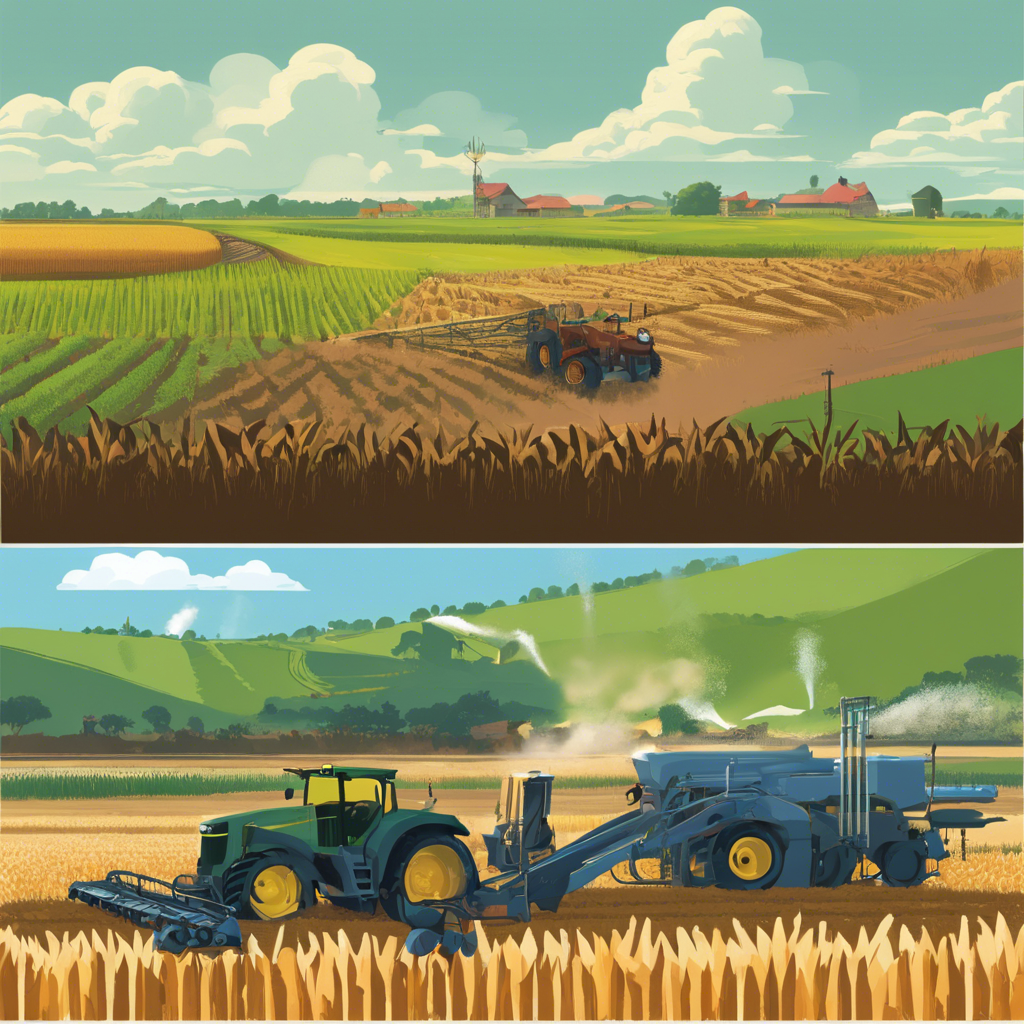
What Are The Environmental Impacts Of Modern Farming Practices Compared To Traditional Agricultural Methods?
Introduction
The ongoing debate regarding the environmental impacts of modern farming practices compared to traditional agricultural methods is a crucial subject in sustainability and environmental stewardship. Gaining a clear understanding of these impacts is essential for informing our choices and policies related to food production, sustainable agriculture, and land use management.
Effects of Modern Agriculture on the Environment
Modern agriculture practices, defined by the incorporation of advanced technology, synthetic fertilizers, and pesticides, have dramatically enhanced agricultural productivity. However, these methods are associated with significant environmental consequences. The excessive reliance on chemical inputs can cause soil degradation, water contamination, and health risks for surrounding communities. Moreover, modern agriculture frequently utilizes monoculture—cultivating a single crop over extensive areas—which leads to decreased biodiversity and increases the susceptibility of ecosystems to pests and diseases.
- The enhanced use of chemical fertilizers and pesticides results in water pollution and health risks for humans and wildlife.
- Monoculture farming reduces biodiversity, adversely affecting ecosystem resilience and stability.
- Soil health is jeopardized by the overuse of synthetic inputs and intensive tillage methods.
Traditional Farming vs. Modern Practices
Traditional farming techniques, including crop rotation, intercropping, and organic farming, emphasize maintaining ecological balance and promoting sustainable soil health. These approaches often employ natural pest management strategies and incorporate cover crops or organic matter to enhance soil fertility. While yields may be lower compared to modern agricultural methods, the long-term environmental benefits contribute to more resilient farming systems. Traditional practices tend to increase biodiversity, support local ecosystems, and improve water retention in soils, offering better resistance to drought and soil erosion.
- Increased biodiversity through varied cropping systems and organic farming practices that nurture a wide array of species.
- Soil health is preserved by minimizing chemical utilization and boosting organic matter through techniques like composting and cover cropping.
- Enhanced resilience to pests and climate change due to improved ecological diversity and the overall health of the farming ecosystem.
Conclusion
To conclude, although modern farming practices have significantly boosted productivity and efficiency, they pose serious environmental risks such as pollution, biodiversity loss, and soil degradation. Conversely, traditional agricultural methods may yield less in the short term but foster long-term ecological health and sustainability. Achieving a balance between these practices is vital for a sustainable future in agriculture and environmental conservation.
Expert Quote
Dr. David Pimentel, Professor of Ecology and Agriculture at Cornell University
Modern agricultural practices can significantly increase yields; however, they often compromise environmental health, leading to soil degradation, biodiversity loss, and increased pollution. We must seek a balance that promotes sustainable methods that protect our ecosystems.
Pimentel, D. (2010). "Environmental and Economic Costs of the Application of Pesticides Primarily in the United States." In: Pesticide Management and the Environmental. Advanced Agricultural Science.
Relevant Links
Traditional vs. Modern Farming Techniques: A Comparative ...
https://milkandhoneyranch.com/traditional-vs-modern-farming-techniques-a-comparative-analysis/Role of organic farming for achieving sustainability in agriculture ...
https://www.sciencedirect.com/science/article/pii/S2949911923000059New Agriculture Technology in Modern Farming
https://www.plugandplaytechcenter.com/insights/new-agriculture-technology-modern-farmingHydroponics: current trends in sustainable crop production - PMC
https://pmc.ncbi.nlm.nih.gov/articles/PMC10625363/Which method is better: the traditional method of farming or the ...
https://www.quora.com/Which-method-is-better-the-traditional-method-of-farming-or-the-modern-method-of-farmingYouTube Videos
Most popular questions

How Do The Personal Relationships Among Gods Affect Their Decisions In The Iliad?
The intricate relationships among the gods in Homer's epic poem 'The Iliad' play a crucial role in shaping their actions and decisions. These divine interactions create a complex web of fates, where each god's personal alliances and rivalries directly influence the events of the mortal world.

What Strategies Can Parents Use To Educate Their Children About Online Safety Beyond Privacy Settings?
In today's digital landscape, teaching children about online safety is essential for their protection and well-being. While privacy settings play a critical role, parents can implement various strategies to create a thorough understanding of online safety principles among their children.
What Are The Different Types Of Insulation Materials Commonly Used In Buildings, And How Do They Compare In Terms Of Thermal Resistance?
Insulation materials are vital for enhancing energy efficiency in residential and commercial buildings by minimizing heat transfer. Understanding the various insulation types can lead to better choices for thermal resistance and overall comfort.
Most recent questions
What Psychological Factors Influence Player Preferences For Games Of Chance Over Games Of Skill?
Player preferences for games of chance compared to games of skill are shaped by various psychological factors. Analyzing these influences provides valuable insight into why individuals prefer certain types of games over others.
How Do Algorithms Influence The Promotion Of Emerging Artists On Social Media Platforms?
In today's digital landscape, social media platforms are essential for promoting emerging artists. The algorithms that govern these platforms play a crucial role in determining content visibility, significantly impacting an artist's growth and reach. Understanding these algorithms is paramount for artists looking to succeed in a competitive environment.
What Are Some Popular Dessert Pairings With Complementary Flavors?
Desserts are often the ultimate highlight of any meal, and skillfully pairing them with complementary flavors can significantly elevate the overall dining experience. By understanding the art of flavor combinations, you can transform a simple dessert into an extraordinary culinary treat that delights the senses.