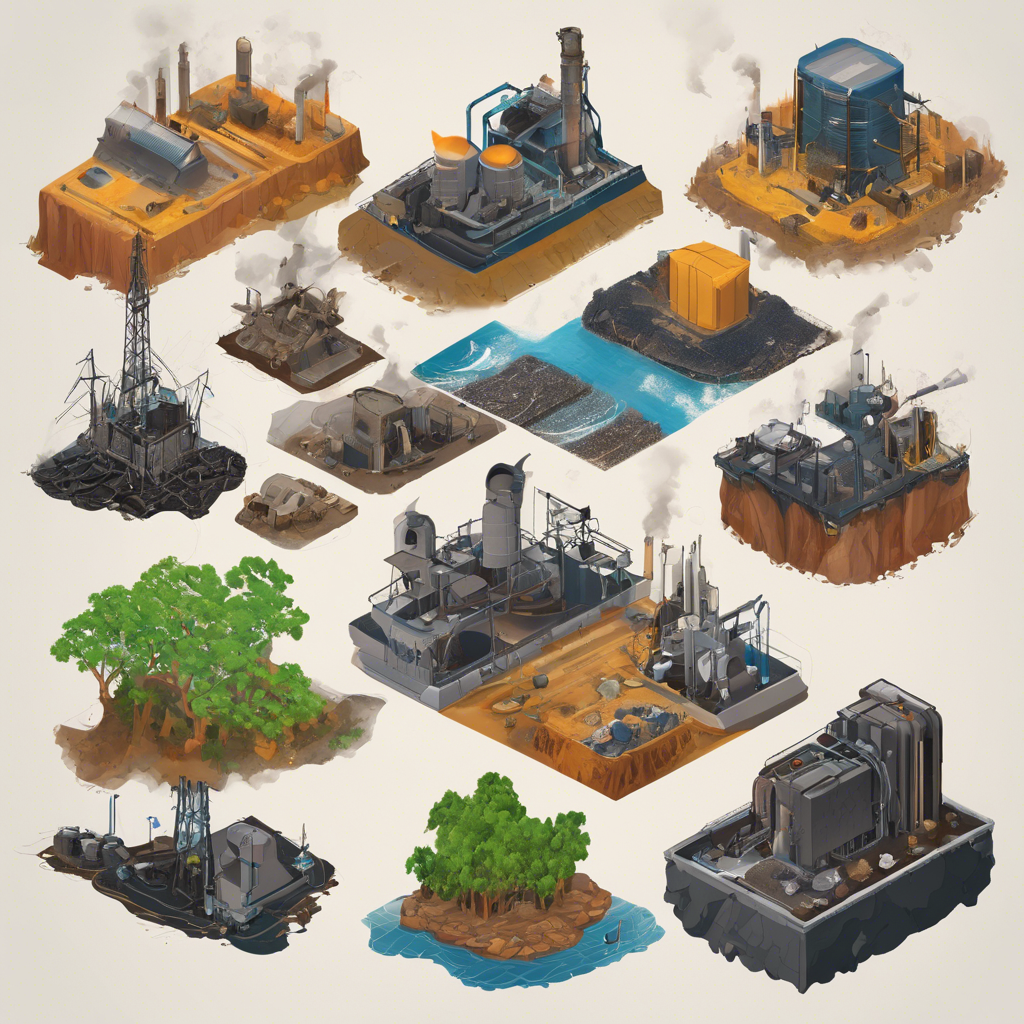
What Are The Environmental Impacts Of The Raw Materials Used In AI Technology Production?
Introduction
The environmental impacts of raw materials used in artificial intelligence technology production are profound and diverse, influencing every stage from resource extraction to end-of-life disposal. Understanding these impacts is vital for fostering sustainable practices in the technology sector.
Key Raw Materials in AI Technology
The production of AI technologies heavily relies on specific raw materials, such as silicon, lithium, cobalt, and rare earth elements. Each material comes with unique extraction and processing challenges that significantly contribute to environmental degradation. For instance, cobalt mining, predominantly in the Democratic Republic of Congo, often results in habitat destruction and water contamination. Additionally, the silicon production process is energy-intensive, leading to considerable carbon emissions, though innovative methods are emerging that aim to lessen these effects.
- The production of silicon is associated with energy-intensive processes that can pollute air and water supplies.
- Lithium extraction has the potential to deplete water resources in arid regions, adversely affecting local communities and ecosystems.
Carbon Footprint and Energy Consumption of AI Production
The carbon footprint linked to the extraction and processing of raw materials for AI technologies is substantial. Manufacturing methods typically depend on fossil fuels, thereby exacerbating greenhouse gas emissions. For example, the production of computer chips involves multiple stages that consume significant amounts of electricity, predominantly from both renewable and non-renewable energy sources. This substantial energy consumption underscores the urgent need for cleaner production strategies and a comprehensive shift to renewable energy solutions within the technology industry.
- Electricity consumption during chip manufacturing is a leading contributor to carbon emissions.
- Transitioning to renewable energy sources in production can help mitigate environmental impacts.
Challenges of E-Waste and Recycling in AI Technologies
At the end of their lifecycle, AI technologies lead to electronic waste (e-waste), posing serious environmental threats. Many components in AI systems are difficult to recycle, resulting in increased landfill contribution. Moreover, improper e-waste disposal can cause hazardous materials to leach into soil and water, exacerbating environmental risks. It's essential to develop efficient recycling methods and enhance product designs for sustainability. Currently, a mere fraction of e-waste is properly recycled, highlighting the urgent need for improvement in these areas.
- Approximately 20% of e-waste is recycled effectively, while the majority ends up in landfills.
- Innovative approaches in design for disassembly can significantly ease the recycling of AI components.
Conclusion
The environmental impacts associated with raw materials used in AI production underscore the urgent need for sustainable practices in the technology sector. From responsible sourcing to effective recycling strategies, tackling these challenges is crucial for reducing ecological harm and paving the way for a sustainable future in technology.
Expert Quote
Dr. Maryanne Hancock, Environmental Scientist and Author
The extraction and processing of critical raw materials for technologies, including artificial intelligence, poses significant risks to our environment, demanding urgent attention to sustainable practices across all sectors of the tech industry.
Book: 'Technology's Environmental Impact: The Real Costs of Digital Development', 2022
Relevant Links
AI has an environmental problem. Here's what the world can do ...
https://www.unep.org/news-and-stories/story/ai-has-environmental-problem-heres-what-world-can-do-aboutThe chip manufacturing industry: Environmental impacts and eco ...
https://www.sciencedirect.com/science/article/abs/pii/S004896972206973XAs Use of A.I. Soars, So Does the Energy and Water It Requires ...
https://e360.yale.edu/features/artificial-intelligence-climate-energy-emissionsAI revolution: what's the environmental impact?
https://www.schroders.com/en-us/us/individual/insights/ai-revolution-what-s-the-environmental-impact-/Materials of the dematerialized: are there raw material supply risks ...
https://www.carbone4.com/en/analysis-risk-raw-material-digitalYouTube Videos
Most popular questions

How Do The Personal Relationships Among Gods Affect Their Decisions In The Iliad?
The intricate relationships among the gods in Homer's epic poem 'The Iliad' play a crucial role in shaping their actions and decisions. These divine interactions create a complex web of fates, where each god's personal alliances and rivalries directly influence the events of the mortal world.

What Strategies Can Parents Use To Educate Their Children About Online Safety Beyond Privacy Settings?
In today's digital landscape, teaching children about online safety is essential for their protection and well-being. While privacy settings play a critical role, parents can implement various strategies to create a thorough understanding of online safety principles among their children.
What Are The Different Types Of Insulation Materials Commonly Used In Buildings, And How Do They Compare In Terms Of Thermal Resistance?
Insulation materials are vital for enhancing energy efficiency in residential and commercial buildings by minimizing heat transfer. Understanding the various insulation types can lead to better choices for thermal resistance and overall comfort.
Most recent questions
How Do Cognitive Biases Influence Betting Strategies In Poker And Blackjack?
Cognitive biases significantly influence the decisions of poker and blackjack players, often resulting in poor choices. By understanding these biases, players can gain a competitive edge by identifying and counteracting their effects on decision-making and betting strategies.
How Do Sponsors And Advertisers Perceive The Value Of Hybrid Sports And Esports Events Compared To Traditional Formats?
The surge in popularity of hybrid sports and esports is reshaping the world of sporting events, captivating sponsors and advertisers alike. As the landscape shifts, it is imperative to analyze how these stakeholders perceive the value of these innovative formats compared to traditional sports.
In What Ways Can Original Characters Challenge Or Reinforce Stereotypes Within Fan Fiction Narratives About Marginalized Groups?
Exploring how original characters in fan fiction can challenge or reinforce stereotypes offers a crucial opportunity to examine narratives impacting marginalized groups. These characters act as conduits for showcasing diverse identities and experiences, reflecting broader social dynamics and cultural contexts in fan fiction and beyond.