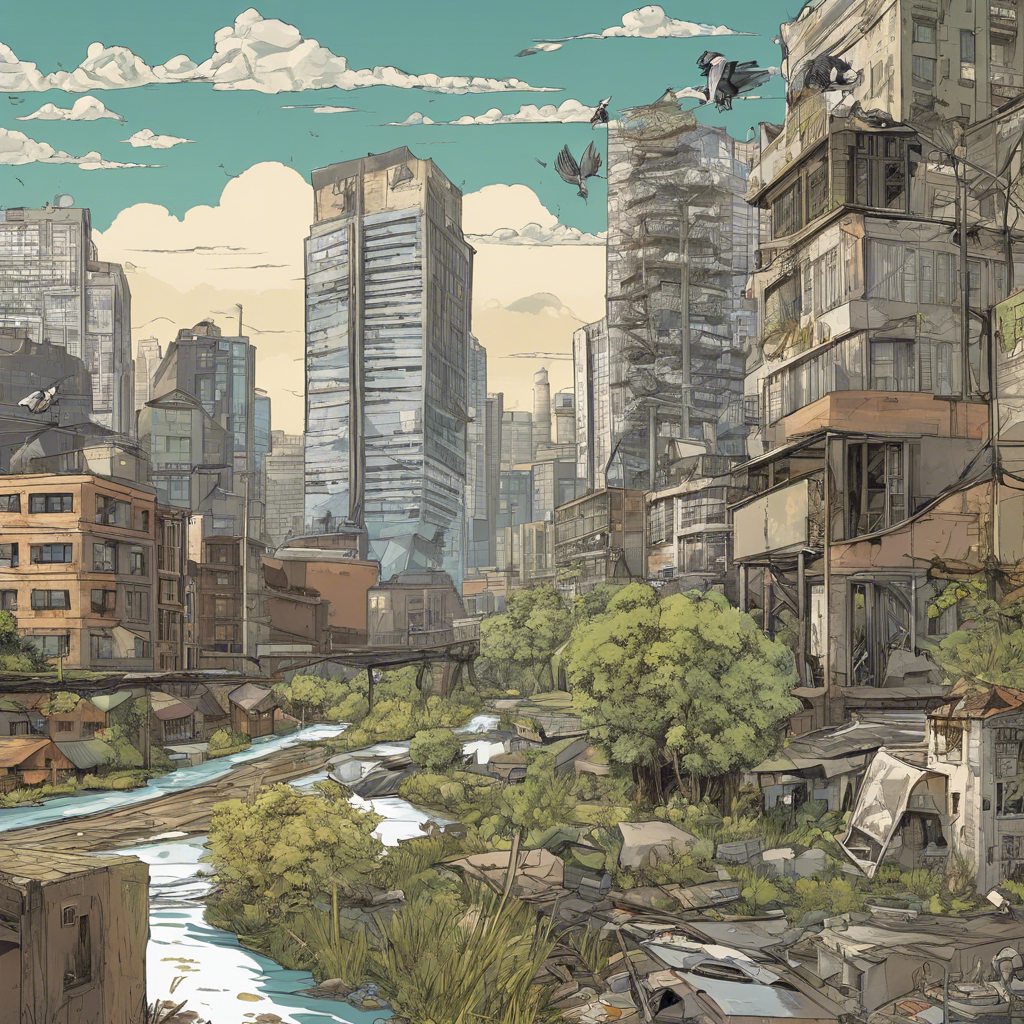
What Are The Environmental Impacts Of Urbanization On Local Wildlife?
Introduction
Urbanization dramatically transforms landscapes and ecosystems, significantly impacting local wildlife. Understanding these wildlife impacts is vital for effective wildlife conservation strategies and comprehensive urban planning initiatives.
Habitat Loss and Fragmentation
As urban areas expand, natural habitats like forests, wetlands, and grasslands are frequently destroyed to accommodate construction and infrastructure. This habitat loss reduces the available space for wildlife while fragmenting their living environments, which isolates populations and complicates their ability to find mates and essential resources. Consequently, these factors increase the risk of inbreeding and species decline.
- Destruction of essential habitats leads to a significant reduction in biodiversity.
- Fragmented habitats can create smaller, isolated populations more vulnerable to extinction.
Increased Human-Wildlife Conflicts
Urban environments present unique challenges for wildlife species. Animals may enter cities in search of food or shelter, leading to increased human-wildlife interactions. These encounters can pose threats to both wildlife and human safety, often resulting in the displacement or harm of urban-dwelling animals.
- Urbanized settings provide human food sources that attract wildlife, escalating conflicts between species.
- Wildlife encounters can pose dangers on roadways, enhancing the risk of vehicle-animal collisions.
Altered Ecosystem Dynamics
The process of urbanization can substantially alter ecosystem dynamics through pollution, modified water flows, and the introduction of invasive species. Such changes can disrupt ecological food chains and negatively impact all trophic levels, leading to diminished resilience against environmental changes and challenges.
- Polluted aquatic ecosystems can negatively affect fish and other aquatic wildlife.
- Invasive species can outcompete native wildlife for crucial resources, resulting in population declines.
Potential for Urban Wildlife Adaptation
Although urbanization presents significant threats, certain wildlife species exhibit impressive adaptability to urban landscapes. Species like raccoons, pigeons, and urban foxes have flourished in cities by adopting new behaviors and dietary patterns, demonstrating their resilience and survival strategies within human-dominated environments.
- Urban-dwelling wildlife often display increased resourcefulness, enabling them to thrive alongside human populations.
- Cities can act as vital refuges for species displaced from their natural habitats.
Conclusion
Urbanization poses numerous significant challenges to local wildlife, including habitat degradation, heightened conflicts, and altered ecosystems. However, by understanding these impacts, we can implement more effective urban planning and wildlife conservation strategies that promote coexistence and enhance ecological integrity.
Expert Quote
Dr. Richard Forman, Professor of Landscape Ecology at Harvard University
Urbanization is a dual-edged sword for wildlife; while it brings new challenges and habitat loss, it also creates opportunities for species adaptation and urban biodiversity if we manage our landscapes thoughtfully.
Book: 'Urban Ecology: Science of Cities', 2019
Relevant Links
Urbanization - Understanding Global Change
https://ugc.berkeley.edu/background-content/urbanization/Urbanization and Disease Emergence: Dynamics at the Wildlife ...
https://www.ncbi.nlm.nih.gov/pmc/articles/PMC5214842/How is Urbanization Changing Animals? – Your Connection to Wildlife
https://blog.cwf-fcf.org/index.php/en/how-is-urbanization-changing-animals/Urbanization and the ecology of wildlife diseases - PMC
https://www.ncbi.nlm.nih.gov/pmc/articles/PMC7114918/Conservation in Urban Areas – Oregon Conservation Strategy
https://www.oregonconservationstrategy.org/conservation-toolbox/conservation-in-urban-areas/YouTube Videos
Most popular questions

How Do The Personal Relationships Among Gods Affect Their Decisions In The Iliad?
The intricate relationships among the gods in Homer's epic poem 'The Iliad' play a crucial role in shaping their actions and decisions. These divine interactions create a complex web of fates, where each god's personal alliances and rivalries directly influence the events of the mortal world.

What Strategies Can Parents Use To Educate Their Children About Online Safety Beyond Privacy Settings?
In today's digital landscape, teaching children about online safety is essential for their protection and well-being. While privacy settings play a critical role, parents can implement various strategies to create a thorough understanding of online safety principles among their children.
What Are The Different Types Of Insulation Materials Commonly Used In Buildings, And How Do They Compare In Terms Of Thermal Resistance?
Insulation materials are vital for enhancing energy efficiency in residential and commercial buildings by minimizing heat transfer. Understanding the various insulation types can lead to better choices for thermal resistance and overall comfort.
Most recent questions
How Do The Motivations Of Comic Book Heroes Influence Their Moral Choices Compared To Protagonists In Classic Literature?
The motivations driving comic book heroes originate from their unique origin stories and personal experiences, which profoundly shape their moral choices. Conversely, protagonists in classic literature are often influenced by societal norms, philosophical ideals, and internal struggles. This essential difference leads to varying interpretations of morality within their respective narratives, enriching the analysis of character motivations.
How Do Audience Preferences Influence The Establishment Of Community Guidelines In Fan Fiction?
The creation of community guidelines in the realm of fan fiction is significantly shaped by audience preferences. Recognizing what the community values is essential for establishing rules that promote creative expression while fostering a respectful and engaging environment for all participants.
What Roles Do Cultural Norms Play In Shaping Audience Participation During Musical Performances?
Cultural norms represent the unwritten rules that influence how individuals engage and behave within a society. These norms are essential in shaping audience participation during musical performances, driven by expectations, shared values, and the traditions inherent in different cultures.