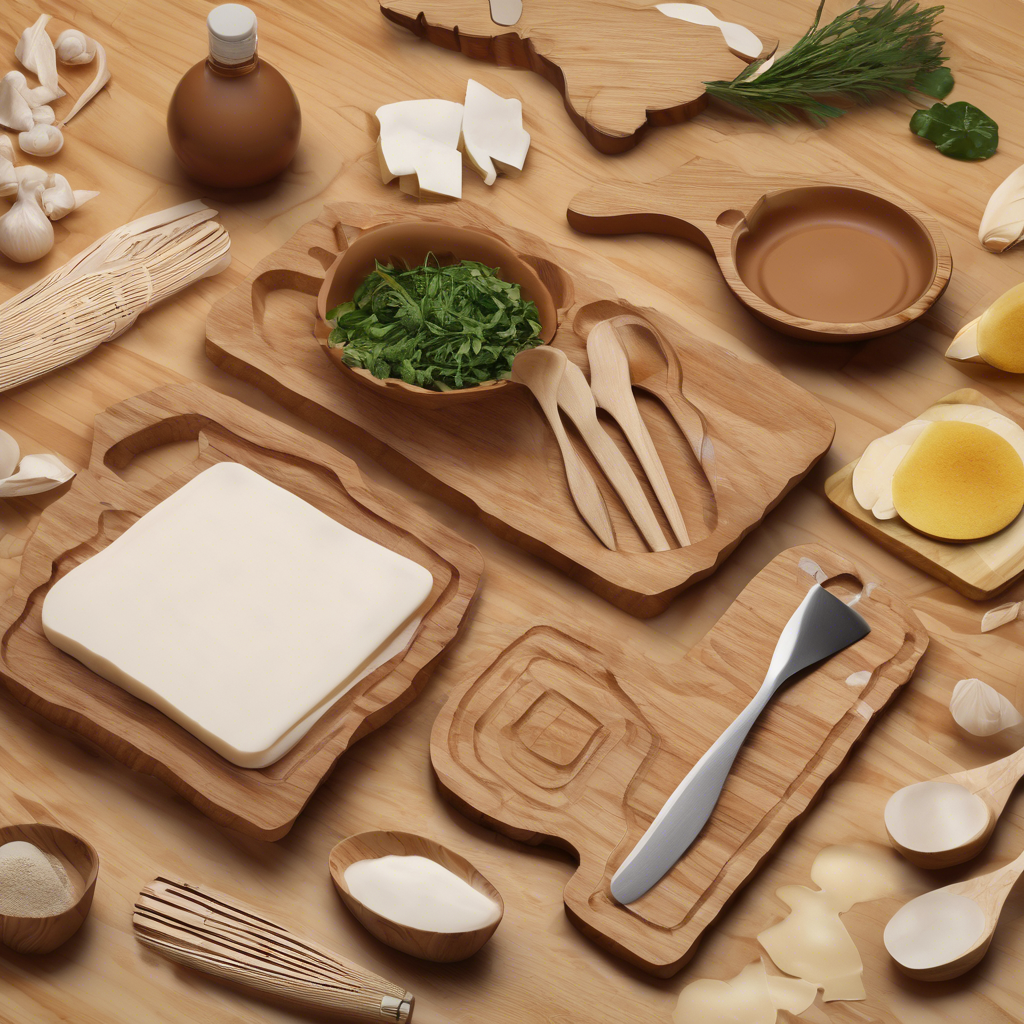
What Are The Health Impacts Of Using Wooden Products Compared To Plastic Alternatives In Kitchens?
Introduction
This comprehensive FAQ explores the health impacts of using wooden kitchen products versus plastic alternatives, highlighting the advantages and disadvantages of each material for food safety and overall health.
Health Benefits of Wooden Kitchen Products
Wooden kitchen utensils, cutting boards, and other products provide several key health benefits that make them appealing alternatives to plastic. Wood possesses natural antimicrobial properties, reducing the growth of harmful bacteria on its surface. When cutting on wooden surfaces, the material has the ability to self-heal, mitigating knife marks and minimizing places for bacteria to hide. Importantly, wood is less prone to leaching harmful chemicals into food compared to certain plastics, especially under heat exposure, making it a safer choice for food preparation.
- Natural antimicrobial properties that effectively reduce bacterial growth.
- Self-healing characteristics that maintain cleaner and safer surfaces over time.
- Lower risk of chemical leaching into food in comparison to various plastics.
Health Risks Associated with Plastic Kitchen Products
Although plastic kitchen items provide convenience and are often marked as dishwasher safe, they can carry certain health risks. Many plastics, particularly those not labeled as BPA-free, may contain harmful additives like Bisphenol A (BPA) or phthalates, which can leach into food, especially when heated. These substances are linked to several health concerns, including hormonal disruption and an increased risk of specific cancers. Additionally, scratched plastic surfaces can trap bacteria more easily than wood, potentially compromising kitchen hygiene and food safety.
- Leaching of harmful chemicals into food when heated, particularly from non-BPA-free plastics.
- Surface scratches on plastic can harbor bacteria, increasing food safety risks.
- Long-term exposure to certain plastics may pose significant health risks.
Environmental Impact and Health Considerations
The environmental effects of both wooden and plastic kitchen products can indirectly influence health outcomes. Wood is a renewable resource, especially when sourced sustainably, and its manufacturing usually results in a lower carbon footprint than that of plastic products. Conversely, most plastics are derived from petroleum, significantly contributing to environmental pollution, which can lead to health challenges for communities and ecosystems, ultimately worsening public health concerns.
- Wood products can be sustainable and biodegradable when harvested responsibly.
- Plastic production significantly contributes to environmental pollution, impacting health.
- Choosing sustainably sourced wood benefits both health and environmental sustainability.
Conclusion
In conclusion, opting for wooden kitchen products generally presents significant health benefits over plastic options, primarily due to their natural properties and lower risk of chemical exposure. However, environmental factors should also be considered in your decision-making process. Choosing sustainably sourced wood can enhance both your kitchen's health profile and support environmental efforts.
Expert Quote
Dr. Anthony H. Shore, Ph.D., Microbiologist and Author
Wood is inherently antibacterial and can be a safer choice for food preparation, reducing concerns about harmful bacteria and chemicals compared to plastic alternatives.
Food Safety: Microbiology and Technology, 2020
Relevant Links
Black Plastic Kitchen Tools Might Expose You to Toxic Chemicals ...
https://www.nytimes.com/wirecutter/reviews/toxic-black-plastic-kitchen-alternatives/Is wood the only alternative to plastic cutting boards? : r/AskCulinary
https://www.reddit.com/r/AskCulinary/comments/wkxhzf/is_wood_the_only_alternative_to_plastic_cutting/the clean kitchen reset - by Caroline Chambers
https://whattocook.substack.com/p/the-clean-kitchen-resetHow to choose eco-friendly kitchen tools - David Suzuki Foundation
https://davidsuzuki.org/living-green/choose-eco-friendly-kitchen-tools/Wooden spoons and glass mugs: how to avoid toxic chemicals in ...
https://www.theguardian.com/environment/2022/dec/02/kitchen-toxic-chemicals-pfas-how-to-avoidYouTube Videos
Most popular questions

How Do The Personal Relationships Among Gods Affect Their Decisions In The Iliad?
The intricate relationships among the gods in Homer's epic poem 'The Iliad' play a crucial role in shaping their actions and decisions. These divine interactions create a complex web of fates, where each god's personal alliances and rivalries directly influence the events of the mortal world.

What Strategies Can Parents Use To Educate Their Children About Online Safety Beyond Privacy Settings?
In today's digital landscape, teaching children about online safety is essential for their protection and well-being. While privacy settings play a critical role, parents can implement various strategies to create a thorough understanding of online safety principles among their children.
What Are The Different Types Of Insulation Materials Commonly Used In Buildings, And How Do They Compare In Terms Of Thermal Resistance?
Insulation materials are vital for enhancing energy efficiency in residential and commercial buildings by minimizing heat transfer. Understanding the various insulation types can lead to better choices for thermal resistance and overall comfort.
Most recent questions
In What Ways Can We Measure The Impact Of Audience Interaction On The Reception And Interpretation Of Contemporary Art Compared To Traditional Art Forms?
Exploring audience interaction in art reveals crucial distinctions in the perception and understanding of contemporary art versus traditional art. This interaction significantly influences the emotional and intellectual responses to artworks, making it a vital factor for art interpretation and appreciation.
How Do Audience Engagement Levels Differ Across Various Media Formats And What Impact Does This Have On Character Development?
Understanding audience engagement is essential for narrative creators, as it varies significantly across different media formats. This variation influences character development and perception, offering valuable insights for creators aiming to craft compelling stories that resonate with their audience.
What Is The Process For Obtaining A Public Performance License For A Concert?
Obtaining a public performance license for concerts is essential for musicians and event organizers to ensure legal compliance when performing copyrighted music. This licensing process protects the rights of songwriters and copyright owners while enabling artists to legally showcase their music and receive fair compensation for their performances.