What Are The Implications Of Free Will In Modern Philosophical Debates?
Introduction
The implications of free will in contemporary philosophical discussions center on human agency, moral accountability, and the influence of determinism. As society reflects on concepts of choice and personal control, philosophers investigate how these ideas shape our ethical frameworks, legal systems, and personal identities.
Understanding Free Will
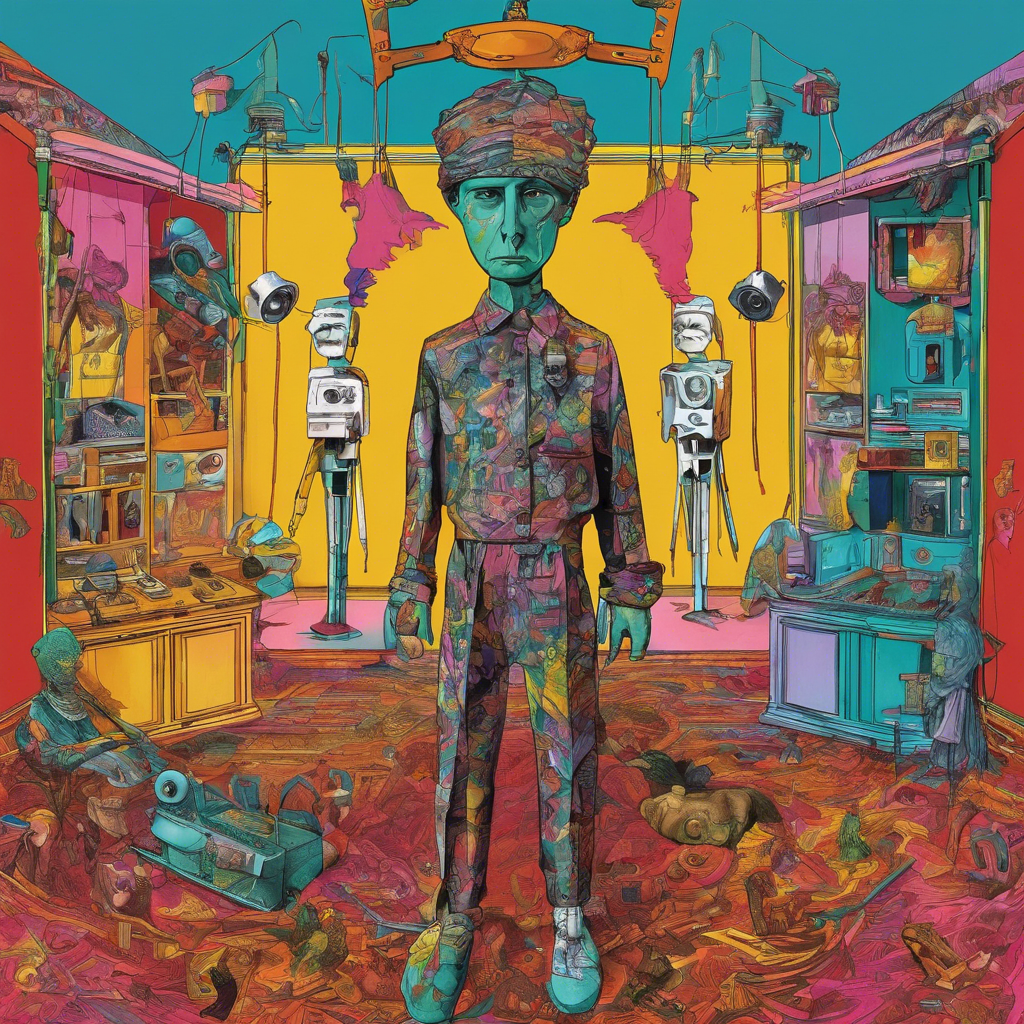
Free will is widely regarded as the capacity to make choices unfettered by previous events or divine intervention. Within modern philosophical discourse, the debates on free will frequently tackle whether our decisions are indeed free or if they are shaped by external influences such as genetics, environment, and societal norms. This discussion can be likened to the question of whether a puppeteer manipulates the puppet or if the puppet has true independence. This analogy emphasizes the conflict between individual autonomy and external influence. Prominent philosophers like Jean-Paul Sartre argue for radical freedom, highlighting the individual's power to choose, while others such as B.F. Skinner advocate for a deterministic viewpoint that underscores the role of environmental conditioning in directing human behavior.
- Existentialist theory posits that individuals are free to forge their essence through personal choices and bear responsibility for those choices.
- Deterministic views suggest that every action and event results from prior causes, thus questioning the authenticity of free agency.
The Significance of Moral Responsibility
The concepts of free will play a pivotal role in discussions of morality and ethics. If individuals inherently possess free will, they bear responsibility for their actions, forming the bedrock of legal systems and moral evaluations. Conversely, if determinism holds true, the rationale behind punishment and reward becomes increasingly ambiguous. Consider a scenario in which a person commits a crime; if they lacked genuine control over their decisions, the justification for punishment comes into question. This conundrum prompts critical inquiries into the principles of justice and human conduct, inciting ongoing debates among philosophers, ethicists, and legal experts.
- The accountability principle asserts that individuals are responsible for their choices and the resulting effects.
- Legal frameworks are predicated on the belief in individual free will and moral responsibility.
Exploring Determinism and Free Will
The enduring discourse between determinism and free will presents vital implications that extend beyond philosophy into scientific realms. Insights from neuroscience pose intriguing questions about the extent of our control over decisions. Research has indicated that brain activity may forecast choices even before conscious awareness, posing challenges to traditional perceptions of free will. This scientific view both alters our comprehension of human behavior and confronts idealistic interpretations of autonomy, leading to a sophisticated perspective that amalgamates determinism with the subjective experience of making choices.
- Neuroscientific research suggests that certain decisions could be predicted by brain activity, complicating conventional views on free will.
- Philosophers and scientists strive to harmonize these discoveries with the idea of free agency, examining compatibilism and various theoretical frameworks.
Conclusion
The contemporary debates surrounding free will unveil intricate relationships among autonomy, morality, and determinism. Grasping these concepts is crucial for understanding the essence of human behavior and societal structures. The inquiry into free will encourages introspection regarding our beliefs about choice and accountability, ultimately influencing our ethical perspectives and social norms.
Expert Quote
Daniel Dennett, Philosopher and Cognitive Scientist
The notion of free will is a vital part of our understanding of human beings. We can't deny that there are influences on our behavior. But the feeling of making choices, the experience of deliberation and decision-making, is essential to our moral responsibility and agency.
From 'Freedom Evolves', 2003
Relevant Links
Free Will (Stanford Encyclopedia of Philosophy)
https://plato.stanford.edu/entries/freewill/The problem of free will from the perspective of philosophy : r ...
https://www.reddit.com/r/philosophy/comments/1al5e6l/the_problem_of_free_will_from_the_perspective_of/Free will - Wikipedia
https://en.wikipedia.org/wiki/Free_willDetermined: A Science of Life Without Free Will | Reviews | Notre ...
https://ndpr.nd.edu/reviews/determined-a-science-of-life-without-free-will/Free Will | Internet Encyclopedia of Philosophy
https://iep.utm.edu/freewill/YouTube Videos
Most popular questions

How Do The Personal Relationships Among Gods Affect Their Decisions In The Iliad?
The intricate relationships among the gods in Homer's epic poem 'The Iliad' play a crucial role in shaping their actions and decisions. These divine interactions create a complex web of fates, where each god's personal alliances and rivalries directly influence the events of the mortal world.

What Strategies Can Parents Use To Educate Their Children About Online Safety Beyond Privacy Settings?
In today's digital landscape, teaching children about online safety is essential for their protection and well-being. While privacy settings play a critical role, parents can implement various strategies to create a thorough understanding of online safety principles among their children.
What Are The Different Types Of Insulation Materials Commonly Used In Buildings, And How Do They Compare In Terms Of Thermal Resistance?
Insulation materials are vital for enhancing energy efficiency in residential and commercial buildings by minimizing heat transfer. Understanding the various insulation types can lead to better choices for thermal resistance and overall comfort.
Most recent questions
How Do Artists Balance Personal Expression And Promotional Content On Social Media?
Successfully navigating social media as an artist requires a strategic approach that balances personal expression with effective promotion. Mastering this balance is essential for building a strong personal brand while staying true to your creative identity.
What Themes Can I Choose For A Tasting Night To Make It More Engaging?
Selecting the ideal themes for a tasting night can dramatically enhance the overall experience for guests, making it more enjoyable and memorable. A carefully chosen theme can influence your selection of food and drinks, creating a cohesive environment that captivates the senses and promotes conversation among participants.
In What Ways Do Cultural Preferences In Different Regions Impact The Types Of Content Offered By Streaming Services?
Streaming services have transformed the way we access media, but the content varied by region is heavily influenced by cultural preferences that shape viewer tastes and demands. Understanding these cultural influences is key to explaining why certain shows gain popularity in some areas while falling short in others.